National Dish Kuwait: Balaleet Mahshi (Recipe)
In this article
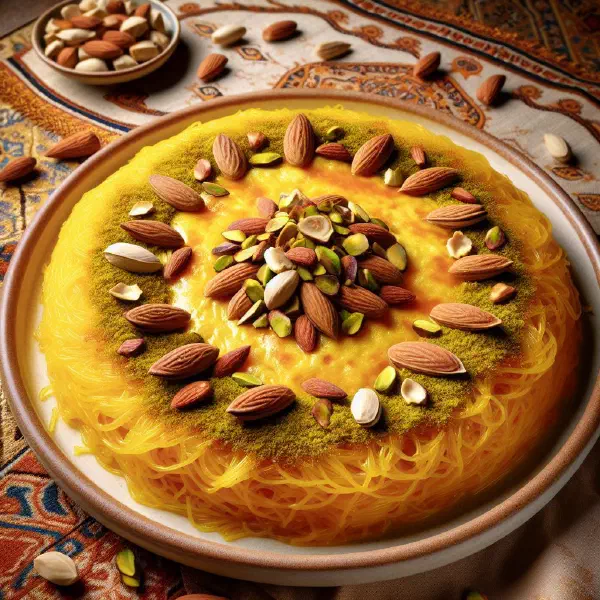
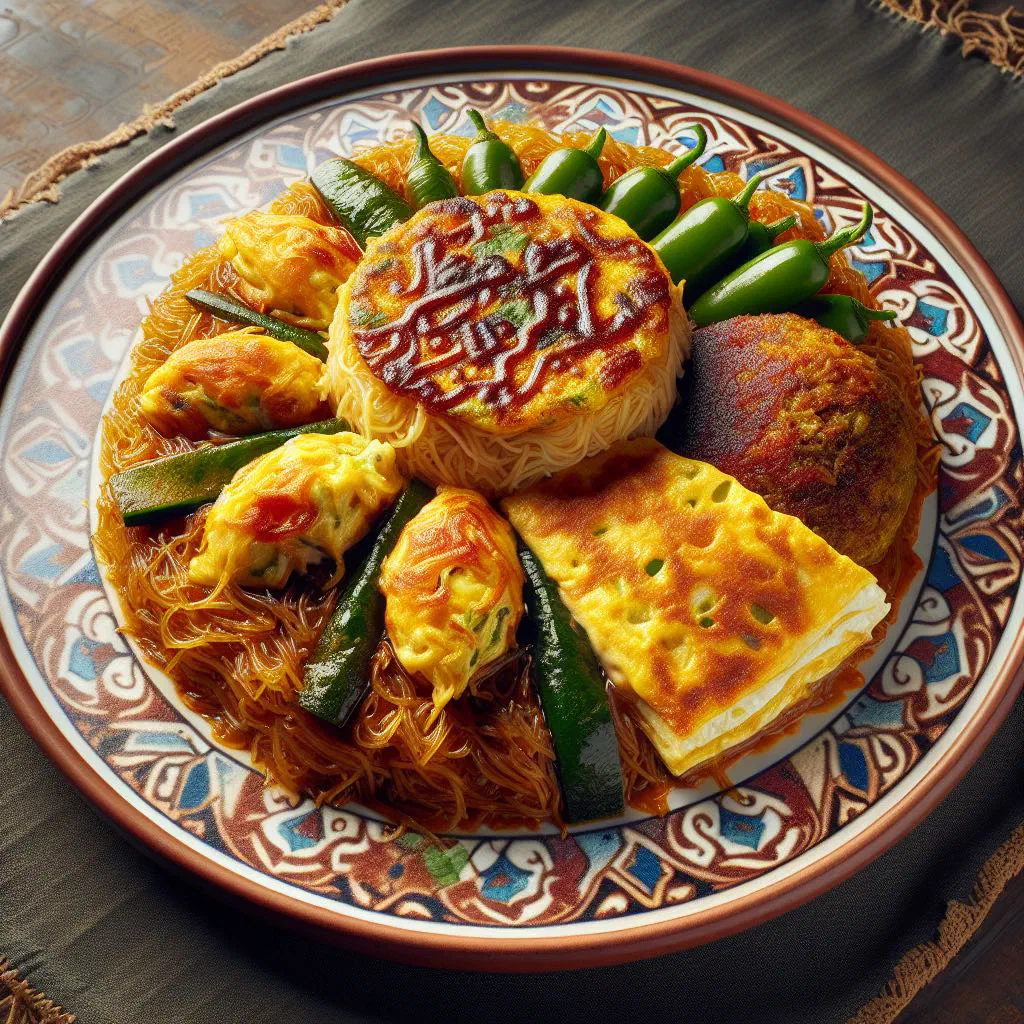
Few dishes capture the character of the Gulf quite like Balaleet Mahshi, Kuwait’s celebrated sweet-and-savoury showpiece. Delicate spiced vermicelli is layered around a rich filling of minced meat, then perfumed with cinnamon and cardamom until every forkful tastes of celebration. It is the kind of food that appears at weddings and feast days, yet it is far more approachable at home than its reputation suggests. Bring the warmth of a Kuwaiti table straight into your own kitchen.
About Balaleet Mahshi
The national dish of Kuwait, Balaleet Mahshi, is a revelation on the plate, bringing sweet and savoury flavours together in perfect harmony. It consists of tender, spiced noodles wrapped around a generous filling of meat and aromatics. What sets Balaleet Mahshi apart are the gentle sweet notes of cinnamon and sugar, which lend every mouthful a distinctive character. Ideal for special occasions or as the centrepiece of a meal, it puts the full range of Kuwaiti cooking on the table.
Ingredients (serves 1–2)
- 100 g sweet noodles (vermicelli work well)
- 150 g minced meat (lamb or beef)
- 1 small onion, finely chopped
- 1 teaspoon ground cinnamon
- 2 tablespoons sugar
- 1 teaspoon cardamom
- 1 tablespoon butter
- Salt and pepper to taste
- Walnuts or almonds, to garnish (optional)
Shopping for the ingredients
Pay close attention to the cut and quality of the meat, as this is where much of the flavour comes from. Visit a market or a butcher who mince their meat fresh on the day. Your choice of noodles matters just as much; look for a fine, delicate strand that will complement the dish rather than weigh it down. Spices such as cinnamon and cardamom are the backbone of the flavour, so it is worth reaching for organic versions where you can find them.
Preparing the dish
A successful result depends on having everything ready before you start cooking. Begin by chopping the onion and mixing the spices thoroughly through the minced meat. The noodles can be boiled while you get the filling under way. Good preparation stretches the cooking time in your favour and improves the final result, so give yourself the freedom to keep everything organised.
Step-by-step instructions
- Cook the sweet noodles according to the packet instructions and drain them well.
- Heat the butter in a frying pan and sweat the onion until translucent.
- Add the minced meat and fry until cooked through; season with salt and pepper.
- Stir in the ground cinnamon and cardamom and mix well.
- Toss the cooked noodles with the sugar and a pinch of cinnamon.
- Layer the noodles into an ovenproof dish and spread the meat mixture evenly over the top.
- Cover the filling with the remaining noodles and bake at 180°C for around 20 minutes.
- Scatter with chopped nuts just before serving.
Gluten-free / lactose-free version
For a gluten-free take on Balaleet Mahshi, use gluten-free noodles, which are now widely stocked in health-food shops and supermarkets. Take care to choose gluten-free spices as well, to rule out any cross-contamination. Lactose-free butter stands in perfectly for the traditional kind, so the dish stays both flavourful and easy to digest. Adjust every ingredient to suit the dietary need and the result remains every bit as delicious.
Tips for vegans and vegetarians
For a vegan version of Balaleet Mahshi, swap the minced meat for a mixture of finely chopped vegetables or plant-based protein. Use plant-based butter or olive oil to cook the onions and build the filling. The aroma of cinnamon and sugar is unchanged, so the signature sweetness comes through exactly as it should. These adjustments make the dish not only vegan-friendly but genuinely inventive, much like the meat-free spirit behind a bowl of Foul Medames.
More tips and tricks
One excellent trick is to prepare the filling a day ahead, which lets the flavours deepen considerably. Experimenting with different cuts of meat or spice blends can open up new taste experiences too. If you like a little heat, add chilli or paprika for a spicier edge. Keep an eye on the timings as well: overcooking will soften the texture of the noodles more than you want.
Adapting the recipe to your taste
Balaleet Mahshi lends itself beautifully to personal tweaks. Add more vegetables, for instance, to make the dish more substantial. You can also dial the sweetness up or down simply by adjusting the sugar.
Ingredient substitutions
If sweet noodles are hard to come by, spaghetti or another fine pasta makes a good alternative. Pulses work well in the filling for a protein-rich, lighter variation. If you would rather leave out the nuts, or you are cooking for someone with an allergy, sesame delivers the same crunch and nutritional lift, a trick that also serves well in a plate of Kibbeh. Just make sure any substitution leaves the overall balance of the dish intact.
Drink pairing ideas
Balaleet Mahshi is best matched with a fresh salad or a minted yoghurt sauce, both of which set off the sweet-savoury interplay. For drinks, Arabic tea or a mint lemonade make refreshing companions, and a glass of Laban is the classic local choice. If you would prefer something alcoholic, a light white wine sits comfortably alongside the spices. These combinations round the meal off nicely.
Serving and presentation ideas
To present Balaleet Mahshi with style, arrange it on a large platter garnished with fresh coriander or parsley. Serve the nuts in a small bowl on the table so guests can scatter them as they please. A dish of yoghurt sauce in the centre adds colour and invites dipping. With handsome plates and colourful cutlery, the meal becomes a feast for the eyes as much as the palate.
A bit of history
Balaleet Mahshi has a fascinating story and is deeply rooted in Kuwaiti culture. It appears regularly at festive gatherings and celebrations, which speaks to its standing in society. It grew out of the simpler breakfast dish Balaleet. The pairing of savoury and sweet reflects the cultural currents of Kuwait’s long trading history. The dish is widely seen as a symbol of hospitality and showcases the skill of the region’s home cooks, standing alongside rice classics such as Machbous in Kuwaiti cuisine.
More recipe ideas
Summary: Balaleet Mahshi
Balaleet Mahshi is a delicious and versatile dish that combines sweet and savoury flavours to wonderful effect. It is ideally suited to special occasions and impresses with both its aromas and its appearance on the table. The ease with which the recipe can be tailored to individual preferences makes it a flexible choice for anyone keen to explore Kuwaiti food. Let the charm of this dish win you over and enjoy the culinary variety it has to offer.