National Dish Kuwait: Balaleet (Recipe)
In this article
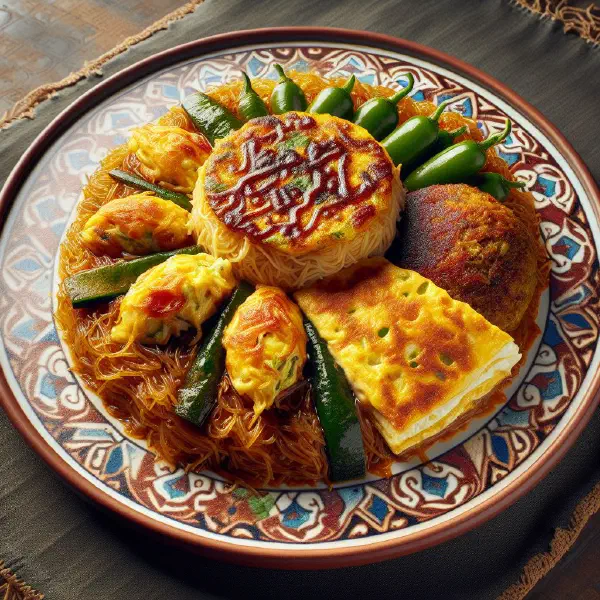
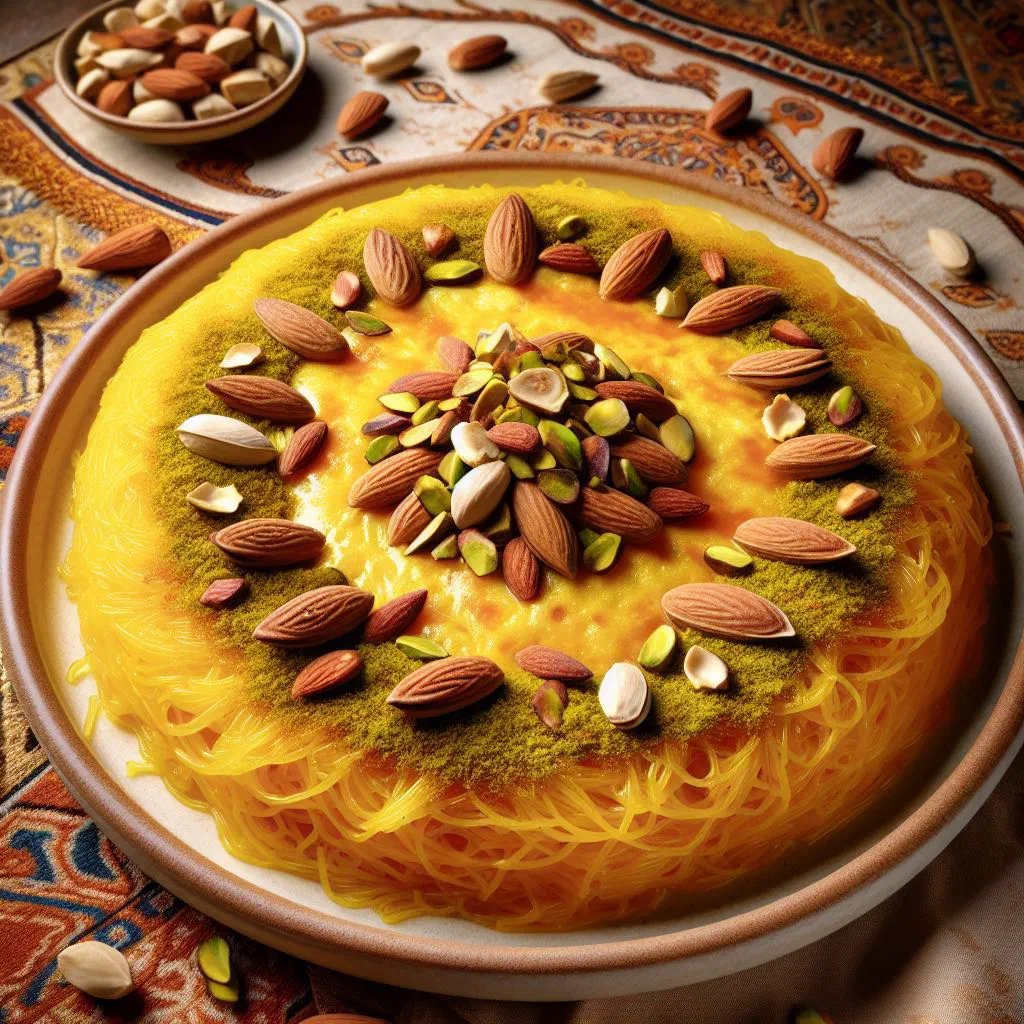
Meet Balaleet, the sweet-and-savoury breakfast that Kuwait wakes up to. Delicate strands of vermicelli are tossed with sugar and warm spice, then crowned with a soft, golden omelette, a contrast that sounds unlikely and tastes utterly right. Fragrant with cardamom and cinnamon and finished with a scatter of nuts, it comes together in minutes and carries the aroma of a Gulf kitchen straight to your table.
About Balaleet
Balaleet is a traditional Kuwaiti dish celebrated for the harmonious way it balances sweet and savoury flavours. It brings together spiced vermicelli and tender eggs, and the pairing creates a taste that is quite unlike anything else on the breakfast table. It is most often served in the morning, though there is nothing to stop you enjoying it at any hour. Warm spices such as cinnamon and cardamom give the dish its signature character and have made it a genuine national favourite.
Ingredients (serves 1–2)
- 100 g fine vermicelli noodles
- 2 large eggs
- 2 teaspoons sugar
- 1 teaspoon ground cinnamon
- 1 teaspoon ground cardamom
- 1 tablespoon ghee or butter
- A pinch of salt
- Optional: flaked almonds or pine nuts, to decorate
Shopping for the ingredients
Everything you need for balaleet is available in most Middle Eastern or Asian grocers and in well-stocked supermarkets. Take care to pick the right noodles: thin, fine egg vermicelli is ideal here and gives the dish its delicate texture. Spices such as cinnamon and cardamom should be as fresh as possible for the best flavour, the same rule that applies to a fragrant Machbous. If any of the ingredients prove hard to track down, online shops are a reliable source.
Preparing the dish
Making balaleet calls for a little forward planning. Begin by cooking the noodles according to the instructions on the packet. While they simmer, turn your attention to the eggs: crack them into a bowl and add a pinch of salt to sharpen the flavour. Having every ingredient measured and within reach before you start makes the cooking itself quick and stress-free.
Step-by-step instructions
- Cook the noodles according to the instructions on the packet.
- Heat the ghee (or butter) in a frying pan.
- Add the cooked noodles and toss thoroughly with the sugar, cinnamon and cardamom.
- Beat the eggs in a separate bowl and pour them into the pan.
- Cook the mixture, stirring constantly, until the eggs have just set.
- Garnish with flaked almonds or pine nuts to taste and serve.
Gluten-free / lactose-free version
For a gluten-free balaleet, use gluten-free noodles made from rice or maize. Both hold up well to tossing in the pan. Check that your ghee or butter is lactose-free too, if that matters for your table. Simply avoid adding anything else that might carry hidden gluten or lactose, and you can enjoy this lovely dish without compromising your dietary needs in the slightest.
Tips for vegans and vegetarians
For a vegan version of balaleet, replace the eggs with a mixture of aquafaba (the liquid from a tin of chickpeas) and a pinch of turmeric, which restores both the colour and the body of the topping. Choose plant-based alternatives for the ghee or butter as well. The dish stays every bit as flavourful and interesting without animal products, a creative adaptation that still honours the traditional method.
More tips and tricks
The single most important tip for balaleet is timing: do not let the eggs cook for too long or they will turn dry and rubbery. Play with the amount of sugar depending on how sweet you like things. For extra depth, try folding in raisins or other dried fruit, or a pinch of saffron steeped in warm water. Small adjustments like these make the dish more interesting and open up new flavours each time you cook it.
Adapting the recipe to your taste
Balaleet is easy to tailor to your own preferences. If you like a bit of heat, add a few red pepper flakes for an unexpected kick. For a brighter, fruitier note, stir in some citrus zest. You can also swap in different nuts to vary the crunch, much as you might with a plate of Louqaimat. Tweaks like these make the dish not only your own but genuinely exciting.
Ingredient substitutions
If you have no noodles to hand, or simply fancy a different texture, quinoa or rice both step in nicely. These alternatives make for a tasty variation and can raise the nutritional value at the same time. If cinnamon is not your thing, try vanilla or nutmeg instead for a different aromatic profile.
Drink pairing ideas
The right drink can lift balaleet considerably. For a traditional feel, Arabic coffee or a light mint tea is a superb match. If you would rather have something more refreshing, fresh orange juice is an excellent choice. Each of these complements the sweet and savoury notes of the dish beautifully without overwhelming its delicate spicing.
Serving and presentation ideas
To present balaleet at its best, reach for colourful plates or bowls that set off the golden tones of the dish. Garnish with finely chopped nuts and a little fresh mint for a bright accent. Arranging everything on a large serving platter looks especially inviting when guests are helping themselves. Details like these make the meal decorative as well as delicious.
A bit of history
Balaleet has a long tradition in Kuwaiti cuisine and is a symbol of the country’s culinary range. The dish draws on both Arab and Asian influences, which gives it its distinctive character. Historically it was served at festive occasions and as a breakfast, and to this day it remains a fixture of family gatherings across Kuwait, much like a shared platter of Harees. Preparations vary by region and by family tradition, which only makes the dish more fascinating.
More recipe ideas
Summary: Balaleet
Balaleet is a singular Kuwaiti dish that unites sweet and savoury aromas and puts the finesse of the region’s cooking on full display. The combination of noodles and eggs, enriched with fragrant spices, makes it a wonderful breakfast or snack. Balaleet remains an outstanding choice thanks to its versatility and depth of flavour. Let it inspire you and bring a little piece of Kuwait into your kitchen.