National Dish Kuwait: Biryani (Recipe)
In this article
Discover Biryani, the fragrant showpiece of Kuwaiti cooking. Layers of long-grain basmati rice meet tender marinated meat and a symphony of warm spices, all steamed together until every grain carries the aroma. It is a dish built for sharing, generous, colourful and full of the flavours that travelled the Gulf’s trade routes. Bring a taste of the Middle East straight to your own kitchen.
About Biryani
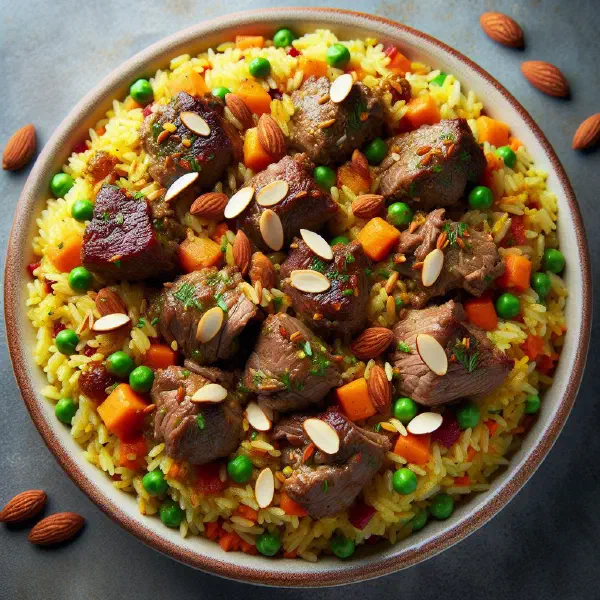
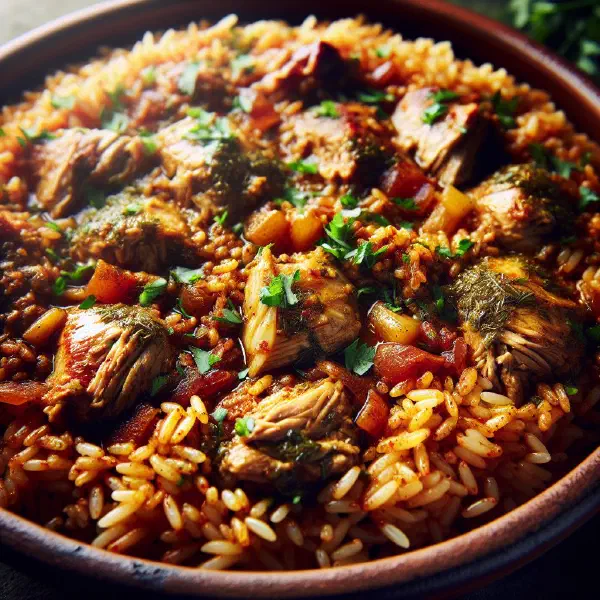
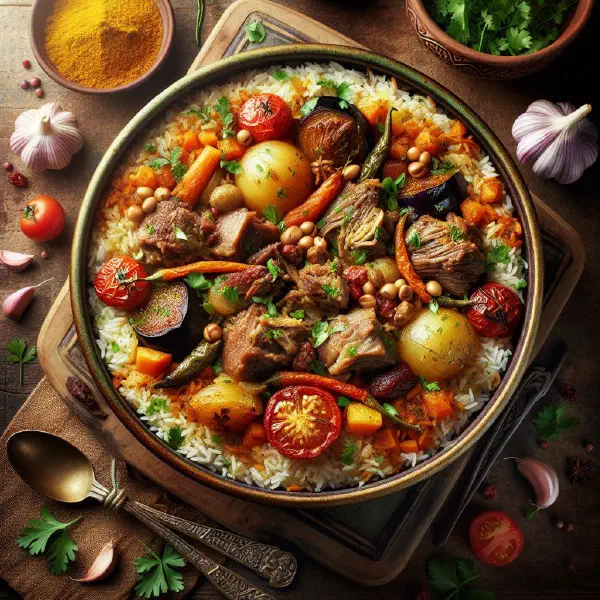
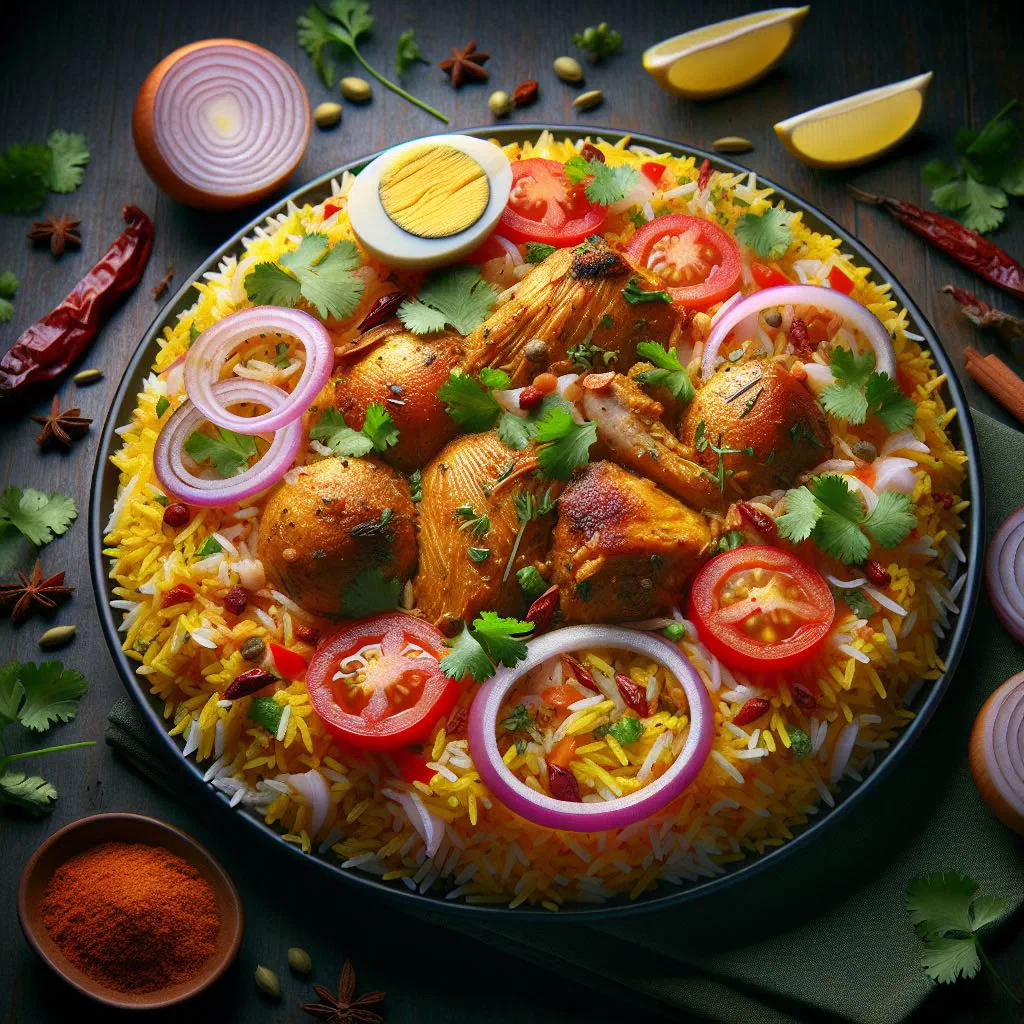
Biryani is an exotic, richly layered dish loved across large parts of the Middle East and South Asia, Kuwait very much included. Here it holds the status of national dish, seducing with a symphony of spices and aromas. Biryani is known above all for its varied spice blend, its basmati rice and its juicy meat or seafood. Every family has its own particular way of making it, often handed down over generations, and that is what makes each biryani unique.
Ingredients (serves 1–2)
- 250 g basmati rice
- 300 g chicken breast or lamb
- 2 tablespoons vegetable oil
- 1 large onion, finely chopped
- 2 cloves of garlic, chopped
- 1 teaspoon ginger, grated
- 1–2 green chillies, to taste
- Biryani spice blend and natural yoghurt, for the marinade
Shopping for the ingredients
When buying basmati rice, look for long, slender grains that release a fragrant perfume as they cook. Fresh meat is essential for an authentic biryani, so buy it from a butcher you trust or a well-stocked counter. Prefer whole spices wherever you can, as they give up their full aroma only when freshly ground. A Middle Eastern or Asian grocery is usually the best place for both the rice and the spice blend.
Preparing the dish
Marinate the meat in advance with yoghurt and a mixture of biryani spices to guarantee a deep, rich flavour. Soak the basmati rice in water for around 30 minutes before cooking so it can develop its full aroma and cook to separate, fluffy grains. Chop the onion, garlic and chillies while the rice soaks, and you will find the cooking itself moves along calmly and quickly.
Step-by-step instructions
- Marinate the meat with the spices and yoghurt and set it aside.
- Heat the oil in a pan and sweat the onions, garlic and ginger until soft.
- Add the spices and toast them briefly until they release their aroma.
- Add the marinated meat and brown it all over.
- Stir in the rice and fry it for a moment before pouring in the water.
- Once the rice is cooked, let the dish rest so the flavours can come together.
Gluten-free / lactose-free version
Biryani is naturally gluten-free, as basmati rice contains no gluten at all. Simply check that your spice blend has no wheat-based fillers. For a lactose-free version, replace the yoghurt in the marinade with coconut milk or an unsweetened plant-based yoghurt; the meat stays just as tender and picks up an appealing gentle sweetness. That way the whole table can enjoy the dish without compromise.
Tips for vegans and vegetarians
Vegetarians can leave out the meat entirely and use vegetables or tofu instead, cauliflower, carrots, peas and chickpeas all hold up beautifully to the long steam. For a fully vegan biryani, marinate the vegetables in plant-based yoghurt or coconut milk and check that the spice blend contains no hidden animal products. Fresh herbs and a generous hand with the saffron keep the result every bit as fragrant as the classic.
More tips and tricks
To get a perfectly steamed biryani, seal the lid of the pot with a damp cloth or a rope of dough. This technique is called dum, and it traps the aromas inside so the rice takes on every note of the spices. Resist the urge to lift the lid early, and always fluff the finished rice with a fork rather than a spoon so the grains stay whole.
Adapting the recipe to your taste
Not everyone likes their food hot, so the chillies can be reduced or left out altogether without harming the dish. Cooks who prefer a milder, more aromatic profile can lean on cardamom, cinnamon and cloves instead. Swap the chicken for lamb if you want something deeper and more robust, much as you would in a slow-cooked Quzi. This flexibility is exactly why biryani belongs to every family in its own version.
Ingredient substitutions
If you cannot find basmati rice, another long-grain rice will do the job, though the perfume will be gentler. Yoghurt can be replaced with coconut milk to create a lactose-free variation, and ghee stands in nicely for the vegetable oil if you want a richer, nuttier base. Fresh ginger and garlic can be swapped for good-quality pastes when time is short, a shortcut that also works well for a weeknight Machbous.
Drink pairing ideas
A cool yoghurt and mint drink or a mango lassi harmonises wonderfully with the spiced aromas of the biryani, cooling the palate between mouthfuls. A glass of chilled Laban does the same job in the most traditional way. For something without dairy, a lightly sweetened iced tea works well, and a light Riesling can complement the spice notes beautifully if you are pouring wine.
Serving and presentation ideas
Garnish the finished biryani with fresh coriander, mint and crisp fried onions for colour and crunch. Serving it in a traditional clay pot adds an authentic touch and keeps the rice warm at the table. Small bowls of yoghurt, pickles and a sharp salad such as Fattoush round out the spread and let everyone build their own plate.
A bit of history
The roots of biryani may reach back to the Mughals in India, but the dish has long since made itself at home in many countries. In Kuwait, biryani brings together Indian, Persian and Arab influences and so mirrors the cultural variety of the country itself. Merchants and sailors carried rice, saffron and spices through the Gulf ports for centuries, and the result is a cornerstone of Kuwaiti cuisine that tastes of that shared history.
More recipe ideas
Summary: Biryani
Making an authentic Kuwaiti biryani is an art in its own right, but with these tips and tricks you should manage to conjure up a dish full of exotic aromas that carries you straight to the Middle East. The combination of fragrant basmati rice, tender meat and a carefully judged spice blend is what makes it memorable. Serve it in the middle of the table and let everyone help themselves, just as families in Kuwait do. Give it a try, your taste buds will thank you.