National Dish Kuwait: Fattoush (Recipe)
In this article
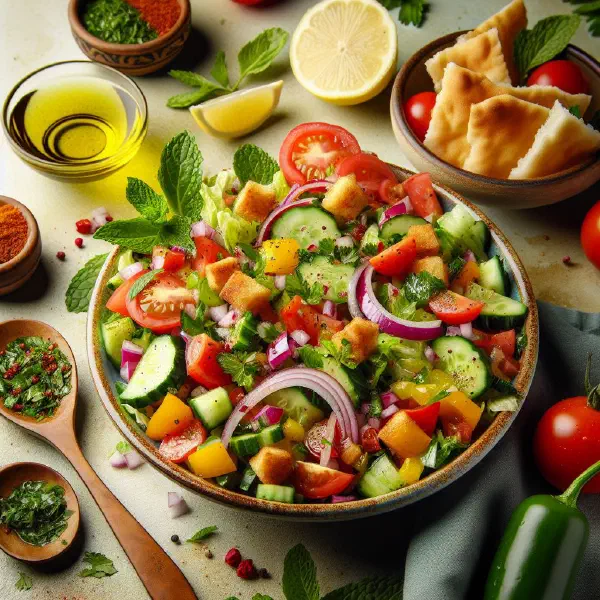
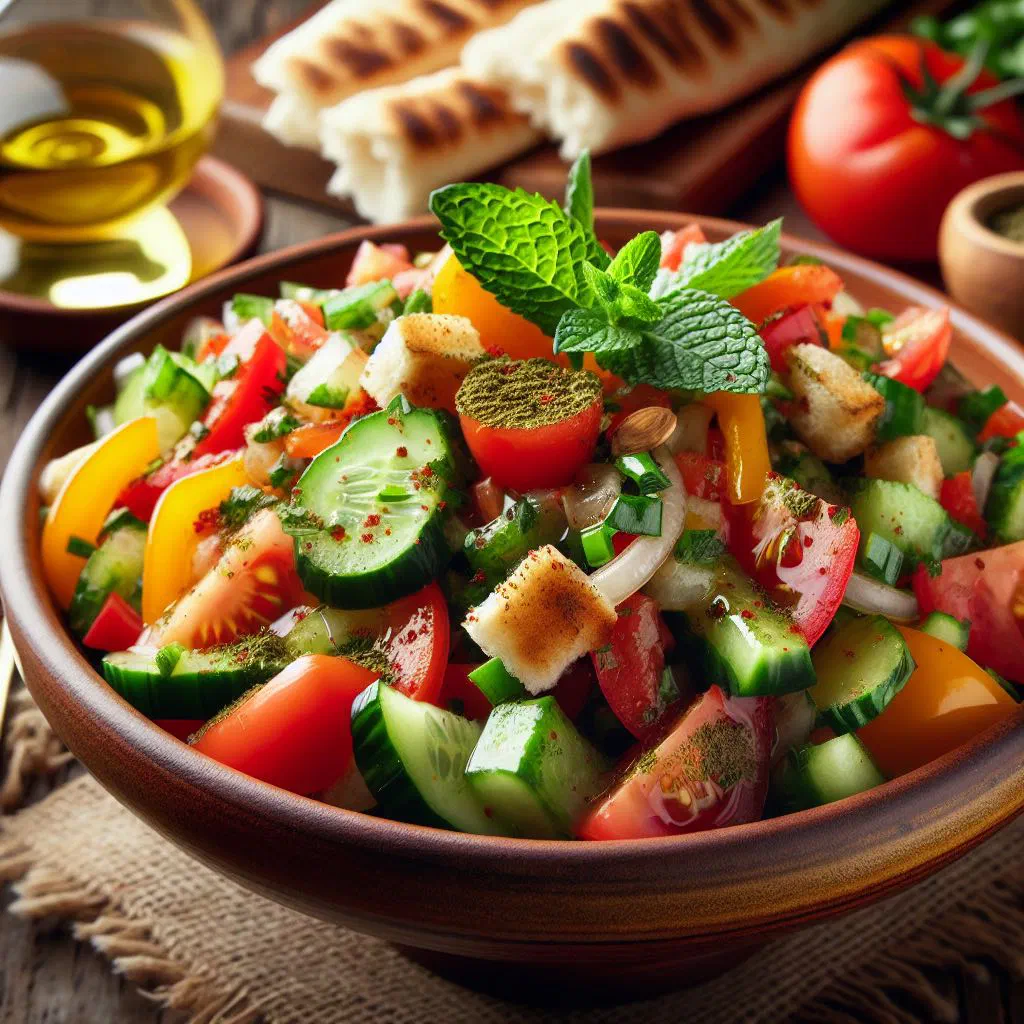
Meet Fattoush, Kuwait’s bright and refreshing take on the salad bowl. Crisp vegetables, generous handfuls of parsley and mint and shards of toasted pita bread come together under a tangy lemon dressing that wakes up every bite. It is simple, colourful and endlessly forgiving, the kind of dish that turns a handful of market produce into a proper feast of Middle Eastern flavour.
About Fattoush
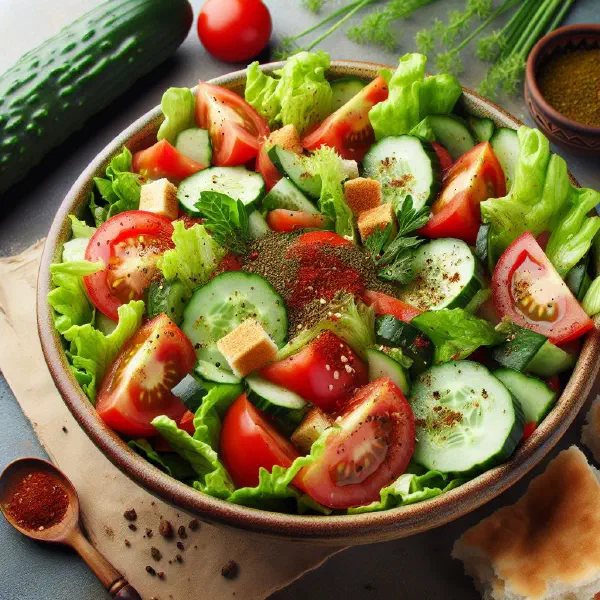
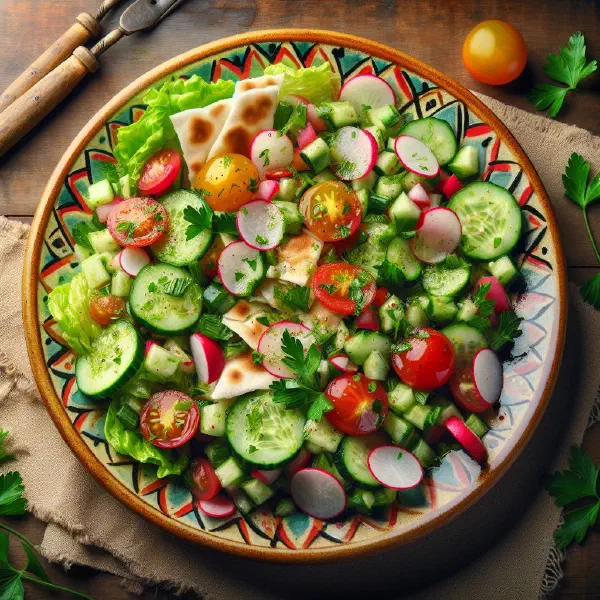
Fattoush is a traditional salad from the Kuwaiti kitchen, famous for its colourful, fresh ingredients. The dish brings crunchy vegetables together with fragrant herbs, making it both invigorating and genuinely nutritious. It very often includes toasted or fried bread, which gives the salad its signature texture. Fattoush is not only a classic of Kuwait. It is enormously popular across many other Arab countries too.
Ingredients (serves 1–2)
- 1 large tomato, diced
- 1 cucumber, cut into chunks
- ½ red onion, finely sliced into rings
- 1 handful parsley, roughly chopped
- 1 handful mint, roughly chopped
- 2–3 pieces pita bread, toasted or fried
- Juice of 1 lemon
- 2 tablespoons olive oil
- 1 tablespoon honey
- Salt and pepper to taste
Shopping for the ingredients
To buy the fresh ingredients for fattoush, it is worth heading to a local market or a well-stocked supermarket. Fresh vegetables are the key to a successful salad, so choose your tomatoes, cucumbers and herbs with care. Make sure you use good-quality olive oil and freshly squeezed lemon juice, as these make all the difference to the dressing. If you would rather not make the pita bread yourself, ready-made rounds work perfectly well. They only need toasting. The same shop-bought flatbread does sterling service alongside a bowl of Hummus.
Preparing the dish
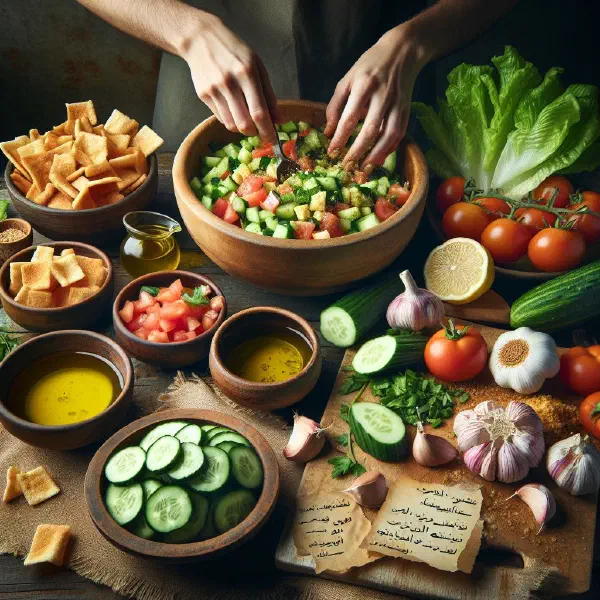
The preparation for fattoush is quick and straightforward, which only adds to the dish’s appeal. Start by washing and cutting your vegetables. Cutting the ingredients properly gives an attractive appearance and helps the flavours distribute evenly. While you prepare the vegetables, you can toast the pita bread in the oven or briefly fry it in a pan to make it crisp. These steps are decisive for both the taste and the texture of the finished salad.
Step-by-step instructions
- Wash the vegetables thoroughly and cut them into evenly sized pieces.
- Roughly chop the parsley and mint and add them to a large bowl along with the vegetables.
- Tear or cut the pita bread into pieces and briefly toast or fry it until crisp.
- In a separate bowl, whisk the lemon juice, olive oil, honey, salt and pepper together to make the dressing.
- Pour the dressing over the vegetables and toss everything together well.
- Add the toasted pita bread just before serving so it stays crunchy.
Gluten-free / lactose-free version
For a gluten-free version of fattoush, simply swap the pita bread for gluten-free crackers or lightly toasted slices of courgette. The rest of the vegetables and the dressing stay exactly the same and still deliver a thoroughly tasty result. For a lactose-free preparation, you only need to check that the bread and all the other ingredients are free of dairy. That way, anyone with allergies or intolerances can enjoy the fresh flavour of fattoush too.
Tips for vegans and vegetarians
Fattoush is naturally vegetarian and easily made vegan by replacing the honey with maple syrup or agave nectar. You can also add further plant-based ingredients, such as avocado or chickpeas, to enrich the dish and boost its nutritional value. This makes the salad more varied and more filling. For a protein-rich version, tofu is an interesting addition, marinate it and pan-fry it before it goes in.
More tips and tricks
To intensify the aroma of fattoush, always use fresh herbs, as dried ones simply cannot match that liveliness. Another tip is to roll the citrus fruit lightly before juicing, which releases its essence more effectively. Experiment with different vegetables to create a flavour all your own. And do try to assemble the salad right before serving, so the pita bread stays crunchy and the vegetables keep their bite.
Adapting the recipe to your taste
Fattoush takes happily to personal tweaks. Dial the red onion up or down depending on how sharp you like it, and adjust the lemon juice to suit your own sense of tang. Some cooks add a generous pinch of sumac for a deeper, fruity sourness; others stir through pomegranate seeds for sweetness and colour. However you shape it, the salad remains recognisably itself.
Ingredient substitutions
If you are hunting for alternatives to certain ingredients, quinoa makes an interesting addition to the salad. Equally, the pita bread can be swapped for other flatbreads to give a new texture. Try the rounds you would bake for Khubz or Zaatar Bread. If beef or chicken is wanted, cook it separately and add it as an optional extra.
Drink pairing ideas
To enjoy alongside fattoush, refreshing drinks such as mint tea or lemonade complement the salad’s flavours beautifully. A glass of dry white wine can also make a tasty combination, particularly on warm days. For an alcohol-free option, a fruit smoothie or a lively sparkling mineral water might be the right choice. Remember to serve the drinks well chilled to round off the meal perfectly.
Serving and presentation ideas
The presentation of fattoush matters, especially if you are serving it as part of a buffet or at a celebration. Use a large, shallow bowl to arrange the salad, and garnish it with fresh herbs and lemon slices for a colourful effect. The pita bread should be offered separately on a wooden board or in a small dish to preserve its crisp texture. That way the salad is not only delicious but a genuine pleasure to look at.
A bit of history
Fattoush has its roots in Levantine cooking and reflects the food culture of the Middle East. It originally came about as a way of using up leftover bread, and so became a symbol of thrift and resourcefulness. Over the years fattoush has spread across many countries and is today treasured as a national dish in Kuwait and beyond. The variety of its ingredients speaks to the culinary creativity of the region, and to a wider Kuwaiti cuisine that unites fresh flavours with good company.
More recipe ideas
Summary: Fattoush
Fattoush is not merely an easy salad to put together; it is a feast for the senses. With its mix of fresh vegetables, aromatic herbs and crisp pita bread, it is an expression of Kuwaiti culture on a plate. Thanks to its refreshing taste and its versatility, the dish suits any occasion, as a light main course or as a side. The flavours of the Middle East come through in every mouthful, and that is what makes fattoush so memorable.