National Dish Kuwait: Ghuzi (Recipe)
In this article
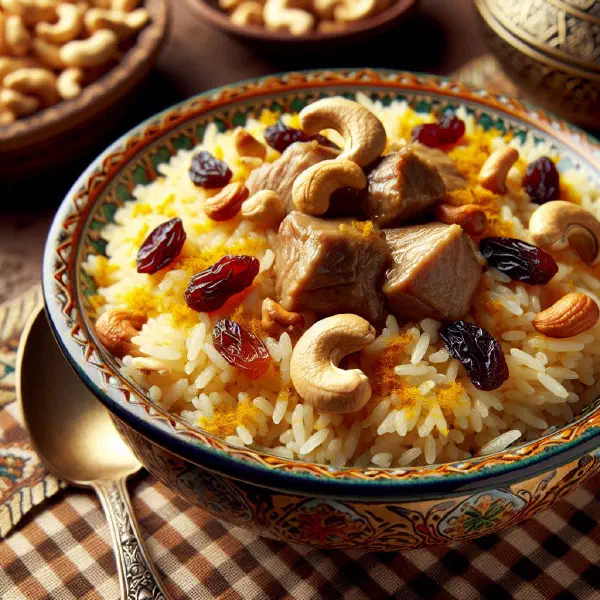
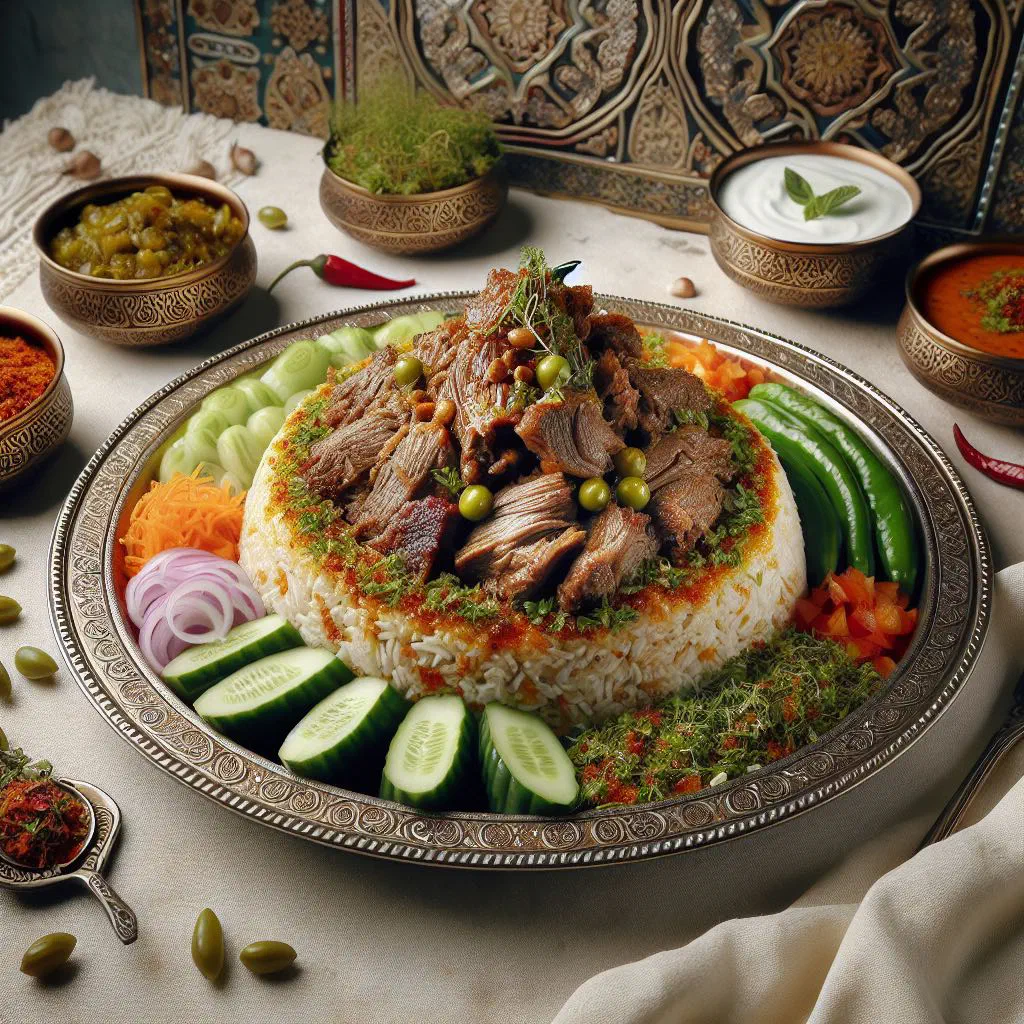
Meet Ghuzi, the celebration dish at the very heart of Kuwaiti cooking. Meltingly tender lamb sits atop a mound of fragrant, slowly cooked rice, scented with cinnamon and cumin and scattered with toasted nuts and sweet raisins. It is the sort of food that fills a room with warmth long before anyone sits down to eat, generous, aromatic and steeped in the hospitality that Kuwait is famous for. Bring a taste of the Gulf to your own table.
About Ghuzi
Ghuzi is far more than a plate of food; it is a culinary experience that captures the soul of Kuwaiti cooking. The dish is built around tender lamb, served over slow-cooked, well-spiced rice. It is the marriage of the spices and the other ingredients that gives Ghuzi its unmistakable character. Traditionally it appears at special occasions and festivals, which says a great deal about its cultural standing. This is a dish made to be shared.
Ingredients (serves 1–2)
- 300 g lamb
- 200 g basmati rice
- 1 onion, diced
- 2 cloves of garlic, chopped
- 1 teaspoon cumin
- 1 teaspoon cinnamon
- 2 tablespoons melted butter
- Salt and pepper to taste
- Nuts and raisins, to garnish
Shopping for the ingredients
Basmati rice and freshly spiced lamb are what make or break the flavour of this dish. Most of the spices you need, such as cumin and cinnamon, are easy to find in a regular supermarket or an Asian grocery. Look for unadulterated, good-quality products, pure ground spices rather than pre-mixed blends, to get the very best out of your Ghuzi.
Preparing the dish
Good groundwork is essential when making Ghuzi. Start by cutting the lamb into bite-sized pieces and marinating it in a bowl with the spices. While the meat takes on those flavours, rinse the rice thoroughly to wash away the excess starch. Careful preparation like this is what allows the aromas to come into their own once the cooking begins.
Step-by-step instructions
- Brown the lamb in a large pan with the melted butter until golden all over.
- Add the onion and garlic and fry everything together.
- Stir in the marinating spices and mix well.
- Add the rice and let it toast briefly before pouring in the water and bringing everything to the boil.
- Cover the pan and leave to simmer over a low heat for about 20–25 minutes.
- Garnish with nuts and raisins to taste and serve.
Gluten-free / lactose-free version
Ghuzi is straightforward to make gluten-free and lactose-free. Just check that none of your spices or other ingredients contain hidden gluten or lactose. For a lactose-free version, simply reach for plant-based butter or olive oil instead of the traditional butter. The dish stays open to everyone at the table without giving up an ounce of flavour.
Tips for vegans and vegetarians
There are plenty of ways to adapt Ghuzi for vegans and vegetarians. In place of lamb, try grilled vegetables or soya protein, both of which soak up the spices beautifully. Cooking the rice in a hearty vegetable stock rather than a meat stock deepens the flavour further, much as it does in a bowl of Lentil Soup. These changes win praise from vegetarian guests while keeping the essence of the dish intact.
More tips and tricks
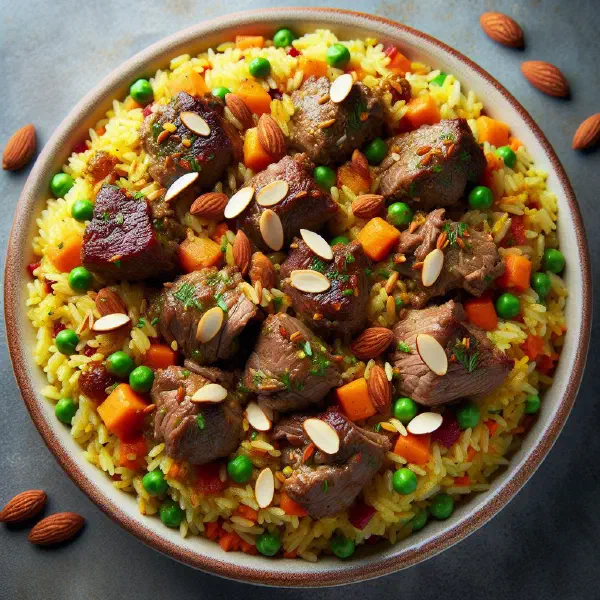
A few simple touches will take your Ghuzi even further. Use fresh spices for a more intense flavour, and experiment with adding pine nuts or almonds for extra texture. Let the dish rest for a few minutes after cooking so the aromas have time to settle. Do this and your Ghuzi will not only taste better. It will look more inviting too.
Adapting the recipe to your taste
Ghuzi is a flexible dish that takes happily to personal preference. If you like a stronger spice note, add more cinnamon or cumin. For a bit of heat, throw in some freshly chopped chillies. Adjustments like these make the dish your own and bring it neatly in line with your own palate.
Ingredient substitutions
If you are after an alternative to lamb, chicken or even vegetables make an excellent option, the same swap that works so well in a Machboos Laham. The rice can be replaced with quinoa or bulgur for a healthier choice. And if you have no nuts to hand, crisp fried onions will give you a similar texture and savoury depth. Variations like these enrich the dish and open up new flavours.
Drink pairing ideas
All sorts of drinks work well alongside a good Ghuzi. Traditionally it is served with teas such as mint tea or black tea, which refresh the palate between mouthfuls, or with a small cup of Arabic Coffee. For something a little different, a glass of yoghurt drink or an alcohol-free fruit drink counterbalances the dish’s intense aromas nicely. Whichever you choose, it rounds the meal off and makes for a thoroughly satisfying experience.
Serving and presentation ideas
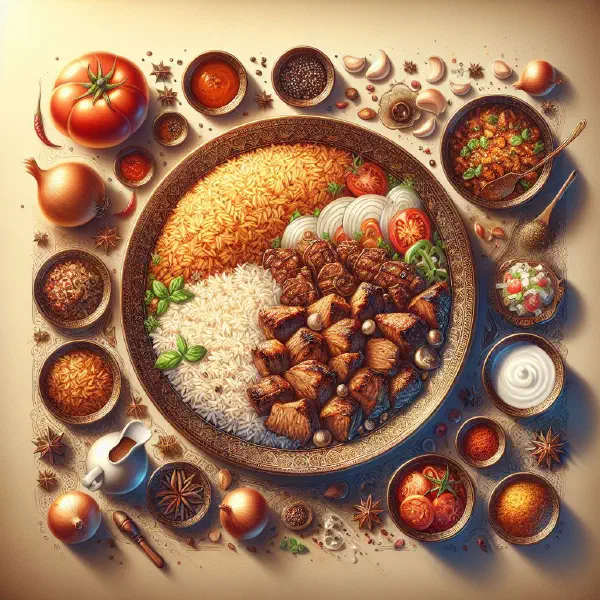
Presentation can lift Ghuzi considerably. Serve the dish on a large platter and garnish it with fresh herbs such as coriander or parsley. Colourful patterned plates help the food stand out. An attractive presentation turns the meal into an occasion and leaves your guests with a lasting impression.
A bit of history
Ghuzi carries a rich cultural history, rooted deep in the traditions and heritage of Kuwait. The dish has been handed down through the generations and won popularity right across the Middle East. It reflects the nomadic way of life and the local availability of meat and grain. Ghuzi is not merely a dish but a symbol of hospitality and togetherness at festive gatherings, one of the finest expressions of Kuwaiti cuisine.
More recipe ideas
Summary: Ghuzi
Ghuzi is an indispensable dish of Kuwaiti cooking, and its rich, hearty flavour explains exactly why. Tender lamb, seasoned with traditional spices and served on fragrant rice, makes it the star of any festive meal. The scope for adaptation and the use of fresh ingredients turn Ghuzi into a genuinely captivating recipe, at home both at grand celebrations and on an ordinary weeknight. Let the aromas and the history of this special dish work their magic on you.