National Dish Kuwait: Halwa Bahraini (Recipe)
In this article
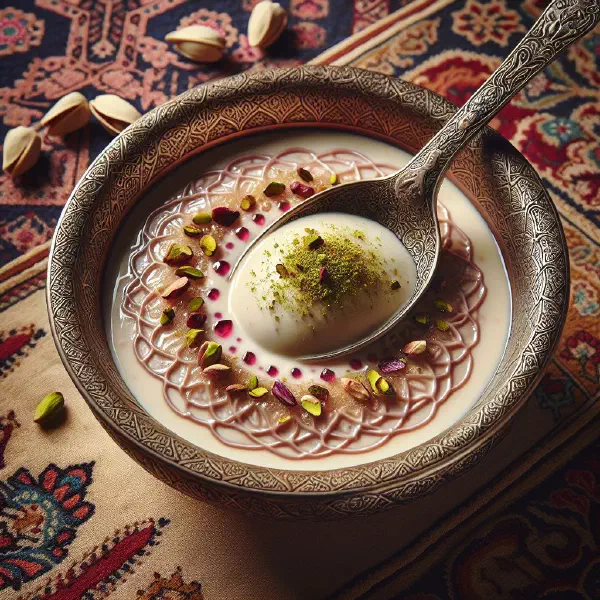
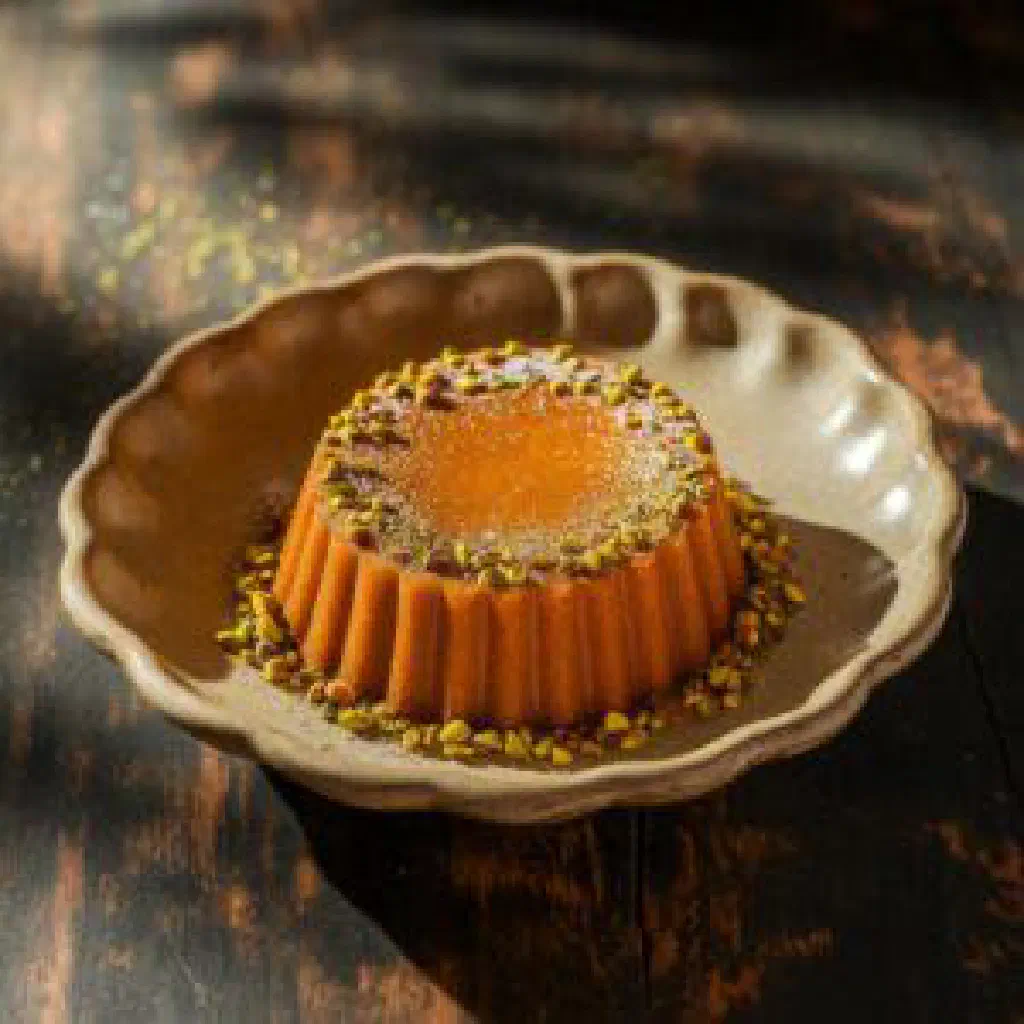
Meet Halwa Bahraini, the glistening, jewel-toned sweet that turns up on every Kuwaiti table worth its salt. Somewhere between a set jelly and a soft fudge, it wobbles gently on the spoon before dissolving into warm saffron, rose water and toasted nuts. It is festive food in the truest sense, reserved for weddings, Eid and the arrival of guests you want to impress, yet the recipe itself asks for little more than a pan, a wooden spoon and a bit of patience.
About Halwa Bahraini
Halwa Bahraini is a traditional dessert born in the Arab Gulf states and adopted wholeheartedly by Kuwait. This glossy, gelatinous sweet appeals to the senses with a flavour you will not find anywhere else, combining aromatic spices, nuts and a whisper of saffron that lends every bite its own character. It is not only a treat for the palate but a celebratory confection, brought out for special occasions and shared generously among family and friends.
Ingredients (serves 1–2)
- 100 g sugar
- 50 g water
- 50 g cornflour
- 30 g butter
- 1 teaspoon rose water
- 1/2 teaspoon saffron
- 50 g chopped nuts (almonds or pistachios, for example)
- 1/2 teaspoon cardamom
Shopping for the ingredients
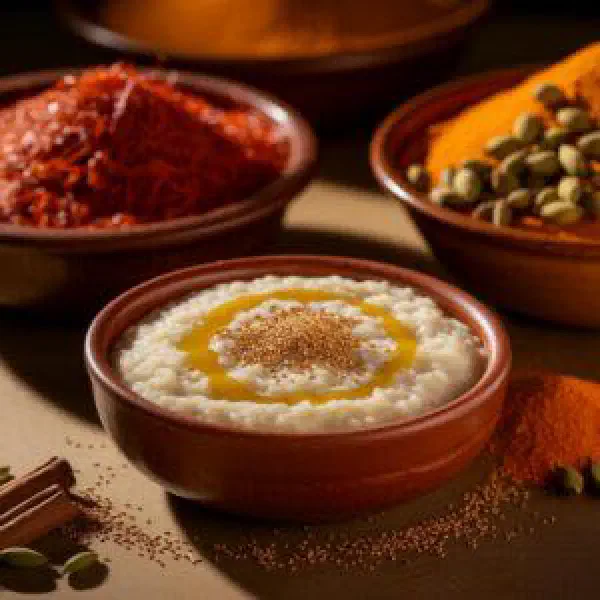
To make Halwa Bahraini, most of what you need is easy to find in an ordinary supermarket or a specialist food shop. Sugar, cornflour and spices such as cardamom and saffron are kitchen staples in many households, while nuts usually sit in the baking or snack aisle. It pays to be fussy about quality, above all with the saffron, which decides both the aroma and the colour of the finished dessert. Rose water can be tracked down in Middle Eastern grocers or ordered online, and it is what gives the sweet its unmistakable perfume.
Preparing the dish
Getting Halwa Bahraini ready is refreshingly straightforward and takes only a few steps. Start by laying out all your ingredients so the cooking runs smoothly from beginning to end. That means measuring the dry and wet components and chopping the nuts that will be folded through the mixture later. Once everything is within arm’s reach, you can begin cooking without interruption, which matters more here than in most recipes.
Step-by-step instructions
- Pour the water into a pan, add the sugar and bring to the boil until the sugar has completely dissolved.
- In a separate bowl, mix the cornflour with a small splash of water to make a smooth paste.
- Add the starch slowly to the sugar mixture, stirring constantly to prevent lumps.
- Stir in the butter, rose water, saffron and cardamom and keep cooking until the mixture thickens.
- Fold the chopped nuts through and combine everything thoroughly.
- Pour the finished halwa into a greased tin and leave it to cool before cutting it into pieces.
Gluten-free / lactose-free version
Halwa Bahraini is easily made gluten-free and lactose-free, since the main ingredients are naturally free of gluten to begin with. When buying cornflour, check that it is certified gluten-free, as some products are cut with wheat. The butter can be swapped for plant-based margarine to make the dessert lactose-free.
Tips for vegans and vegetarians
For vegans, simply replace the butter in the recipe with a plant-based alternative. Coconut oil works particularly well and brings a subtle extra flavour of its own. Halwa Bahraini is ideal for vegetarians, as it contains no animal products apart from the butter, and that is settled the moment you reach for the plant-based version. Everyone eating a plant-forward diet can therefore enjoy this traditional sweet, much like the equally accommodating Basbousa.
More tips and tricks
The single most important tip for Halwa Bahraini is never to take your eyes off the pan, because the mixture catches and burns quickly if the heat runs too high. Stir constantly to keep the consistency even and glossy throughout. If you prefer things sweeter, adjust the sugar to your own taste. The quantity of nuts can also be varied to create different textures and flavours, from barely-there crunch to a generous, chunky studding.
Adapting the recipe to your taste
Halwa Bahraini is remarkably adaptable and takes readily to personal preference. You might use different nuts, walnuts or cashews, say, for an entirely new note. For something fruitier, dried fruit such as dates or apricots can be folded in, which brings the sweet closer in spirit to the buttery biscuits of Ghraybeh. Experiment with the spices until you land on the balance that is perfect for you.
Ingredient substitutions
If you cannot get hold of rose water, orange blossom water will give the dessert a comparable floral aroma. Instead of the traditional nuts, a mix of seeds works nicely and makes the dish nut-free for anyone with an allergy. Where a particular ingredient is off the table, the trick is to choose an alternative that preserves both texture and taste.
Drink pairing ideas
A wide range of drinks suits Halwa Bahraini. A refreshing mint tea is an excellent choice and complements the dessert’s aromatics beautifully. Alternatively, serve traditional Arabic Coffee, famous for its layered, cardamom-scented complexity. A sweet grenadine lemonade also pairs well and offers a bright contrast, as does a chilled glass of Rose Water Lemonade.
Serving and presentation ideas
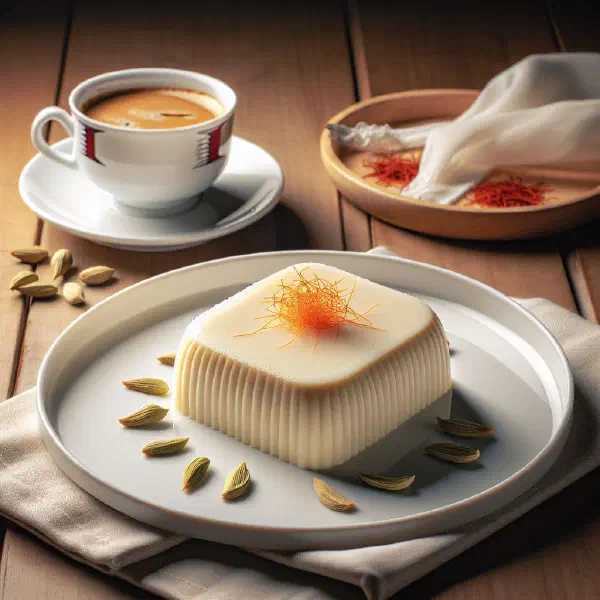
There is plenty of room to be creative when presenting Halwa Bahraini. Serve the cut pieces on a handsome plate and garnish with fresh nuts or edible flowers. Arranging it in small glasses is another elegant option that shows off the dessert’s translucency. Play with contrasting colours and textures to enrich the visual experience, a scattering of green pistachios against the amber halwa does most of the work for you.
A bit of history
Halwa Bahraini carries a history rooted deep in the culture of the Middle East. It was originally prepared by Bedouin communities and today plays an important role at countless festivities and gatherings. The dessert is a symbol of hospitality and is regularly served at special occasions such as weddings and holidays. Passed down from generation to generation, it has grown into a much-loved sweet that unites tradition with modern influence, and it remains one of the most recognisable ambassadors of Kuwaiti cuisine.
More recipe ideas
Summary: Halwa Bahraini
In short, Halwa Bahraini is a captivating and delicious dessert that mirrors the cultural traditions of Kuwait. The combination of aromatic spices, nuts and a hint of saffron makes for a flavour experience with no real equivalent. This dessert will win your guests over and set the hearts of anyone who loves Middle Eastern confectionery racing. Do not wait any longer, give this fantastic recipe a go.