National Dish Kuwait: Jareesh (Recipe)
In this article
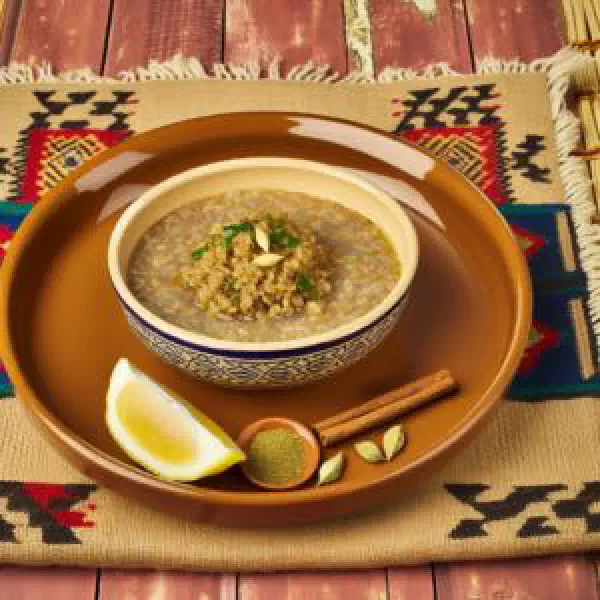
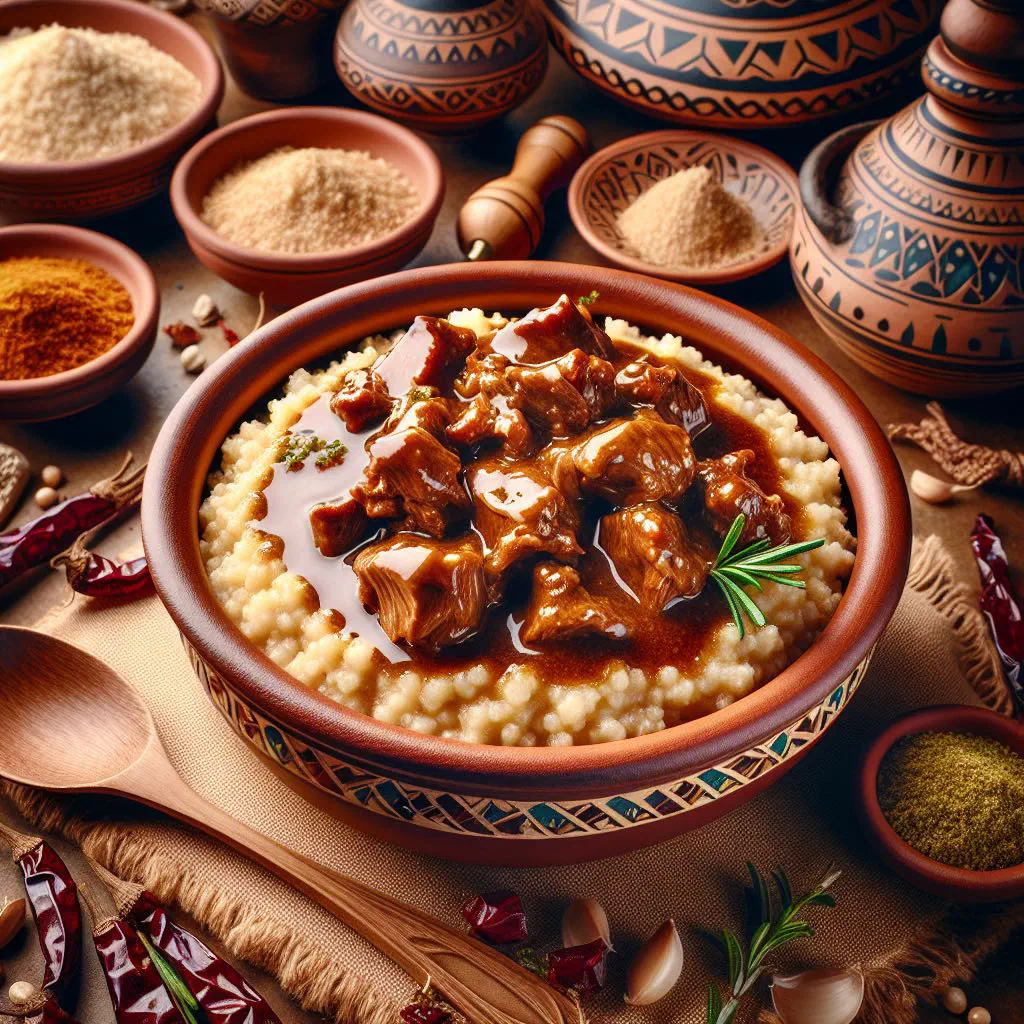
Say hello to Jareesh, a soft, slow-simmered bowl of cracked wheat and tender meat that has warmed Arabian tables for centuries. It is the kind of cooking that asks for very little and gives back a great deal: a handful of humble ingredients, a gentle flame and enough time for the grain to drink up every drop of savoury broth. Nourishing, deeply comforting and traditionally made in generous quantities, Jareesh is a dish built for sharing with family and friends.
About Jareesh
The dish Jareesh has its origins in Arabian cooking and is held in especially high regard in Kuwait. It is built mainly from cracked wheat and tender meat, simmered together in a flavourful broth. That combination gives the dish its distinctive flavour and makes it remarkably nourishing. Across many cultures Jareesh is served at feasts and special occasions, which is why it holds such a fond place in people’s hearts.
Ingredients (serves 1–2)
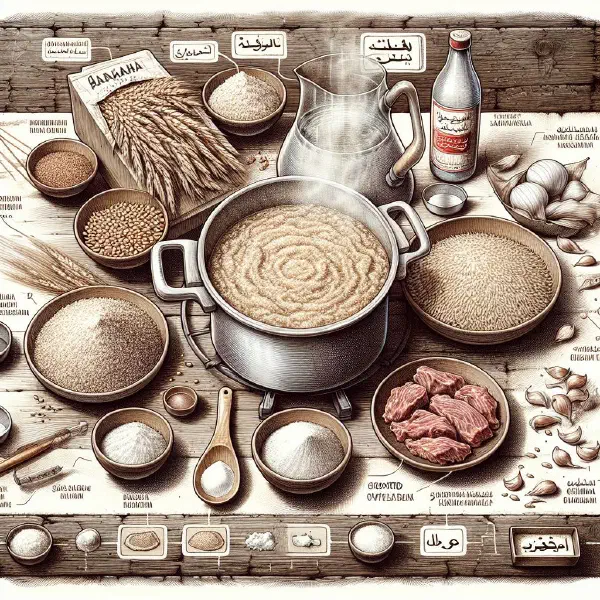
- 1 cup cracked wheat
- 250 g tender beef or chicken
- 1 onion, diced
- 1 teaspoon salt
- 1 teaspoon pepper
- 2 tablespoons olive oil
- 4 cups water or stock
- A few spices of your choice (e.g. cinnamon, cardamom)
Shopping for the ingredients
To make Jareesh at home, it is worth calling in at a local supermarket or an Arabian grocery. Make sure the cracked wheat is fresh and of good quality, as this is what gives the dish its best flavour. Fresh meat, ideally from a butcher you trust, will also give you the ideal texture. Onions and spices are generally easy to find and are best bought fresh so the aromas of the dish come through at full strength.
Preparing the dish
Before you start cooking Jareesh, it pays to prepare the ingredients properly. The cracked wheat should be soaked in water for at least an hour so that it softens during cooking. Cut the meat into evenly sized pieces so it cooks through at the same rate, and dice the onions finely so they release their aromas well. These first steps are decisive for the success of the dish and set the tone for the overall quality.
Step-by-step instructions
- Heat the olive oil in a large pan and add the onions. Fry them until golden brown.
- Add the meat and brown it well on all sides.
- Stir in the soaked cracked wheat along with the water or stock.
- Season with salt, pepper and any optional spices.
- Bring the mixture to the boil, then leave it to simmer over a low flame until both the wheat and the meat are tender.
- Stir occasionally so nothing catches on the base of the pan.
- Serve the Jareesh warm and garnish to taste.
Gluten-free / lactose-free version
Making Jareesh work around gluten and lactose intolerances is relatively straightforward. For a gluten-free version, swap the cracked wheat for a gluten-free pseudo-cereal such as quinoa or buckwheat. With the meat, look for products that are guaranteed free of hidden gluten. As for lactose, Jareesh is naturally lactose-free, so no changes to the base recipe are needed at all. That makes it an ideal dish for anyone living with these intolerances.
Tips for vegans and vegetarians
For vegan or vegetarian versions of Jareesh, the recipe adapts easily. Use vegetable stock instead and replace the meat with protein-rich ingredients such as chickpeas or tofu, the same pulses that carry a bowl of Shorbat Adas. These adjustments keep the dish just as nourishing and filling. Adding vegetables such as carrots and beans can broaden the range of flavours and lift the dish further. Just time the vegetables so their texture sits comfortably alongside the Jareesh.
More tips and tricks
Patience matters a great deal when it comes to perfect Jareesh. Let the dish simmer long enough for the flavours to work their way fully into the grain. A lid during cooking helps hold the moisture in and stops the ingredients from clumping together. For even more depth, add a little cumin or paprika. A scattering of fresh coriander or parsley at the table gives the dish an extra note of freshness and aroma.
Adapting the recipe to your taste
The great thing about Jareesh is how easily it bends to personal preference. Experiment with different cuts of meat, or try alternative spice combinations to uncover new flavours. You can vary the consistency too, adding more or less liquid depending on whether you want a thicker or a creamier result.
Ingredient substitutions
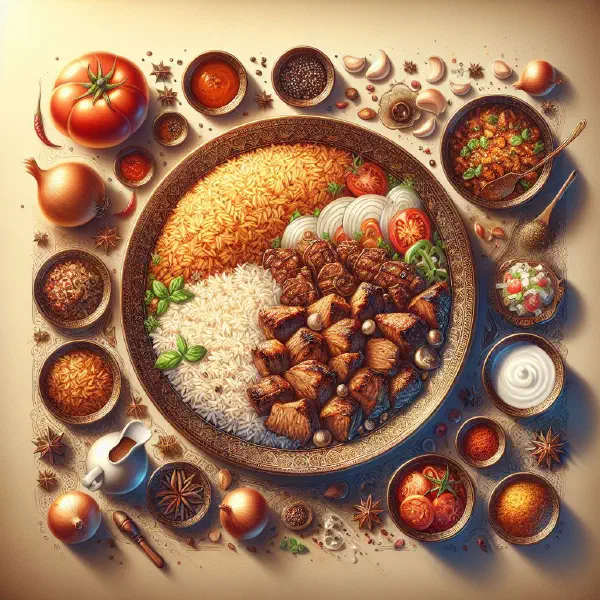
If some ingredients are unavailable, there is always an alternative. Instead of beef or chicken you can use lamb, which gives the dish a different but very tasty character, much as it does in a plate of Machbous. In place of cracked wheat you could use ready-made groats or even rice, though the cooking time may need adjusting. With the spices, too, you are free to test unique combinations that suit your taste.
Drink pairing ideas
A traditional dish such as Jareesh goes particularly well with Arabian drinks. A refreshing mint tea or a pomegranate juice complements the flavours beautifully, and a small cup of Arabic Coffee rounds off the meal in classic style. Yoghurt drinks are a popular choice in many regions too. Remember to serve the drinks chilled, as they offer a pleasant contrast to the warm dish.
Serving and presentation ideas
Presenting your Jareesh can matter just as much as the taste. Serve it in a shallow bowl and garnish with a drizzle of olive oil along with fresh herbs or toasted nuts. A decorative serving platter also helps the dish stand out and turns it into a genuine feast. Take the time to arrange everything neatly so it looks inviting to your guests.
A bit of history
Jareesh has a long history in Arabian culture, reaching back to the earliest civilisations. The dish was traditionally made by nomadic peoples in search of nourishing food that would keep well. Making Jareesh also stands for community and hospitality, since it is often cooked in large quantities to feed family and friends. Today it is not only a staple but a symbol of the cultural identity of Kuwait and other Arabian regions, and one of the cornerstones of Kuwaiti cuisine.
More recipe ideas
Summary: Jareesh
In short, Jareesh is not merely a simple dish but a piece of culture and tradition. Its delicious flavour, nourishing make-up and the sheer flexibility of its preparation make it an excellent choice. From the easy method through to the many ways of adapting it, Jareesh offers a culinary experience that is both appealing and satisfying. Try making it at home and taste the flavours of Kuwait for yourself.