National Dish Kuwait: Kabab Kuwaiti (Recipe)
In this article
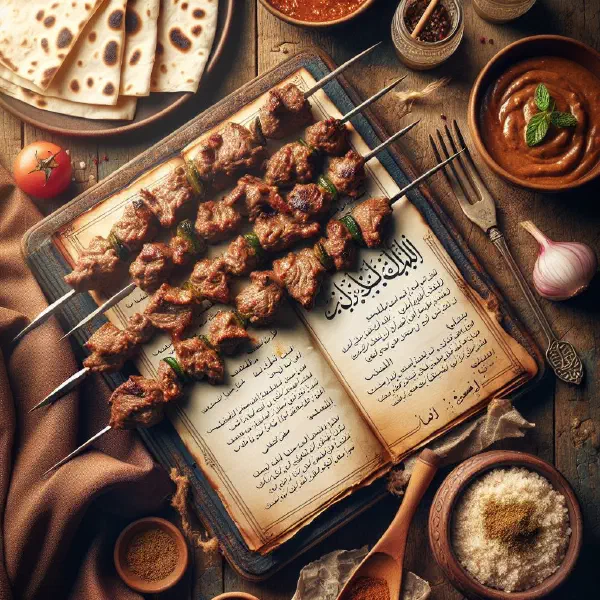
Meet Kabab Kuwaiti, the smoky, spice-laced skewers that turn any gathering in Kuwait into an occasion. Tender cubes of meat spend hours in a tangy yoghurt marinade before meeting the heat of the grill, emerging fragrant with cumin, coriander and lemon. It is celebration food and everyday comfort in equal measure, and it is far easier to recreate at home than the depth of flavour suggests.
About Kabab Kuwaiti
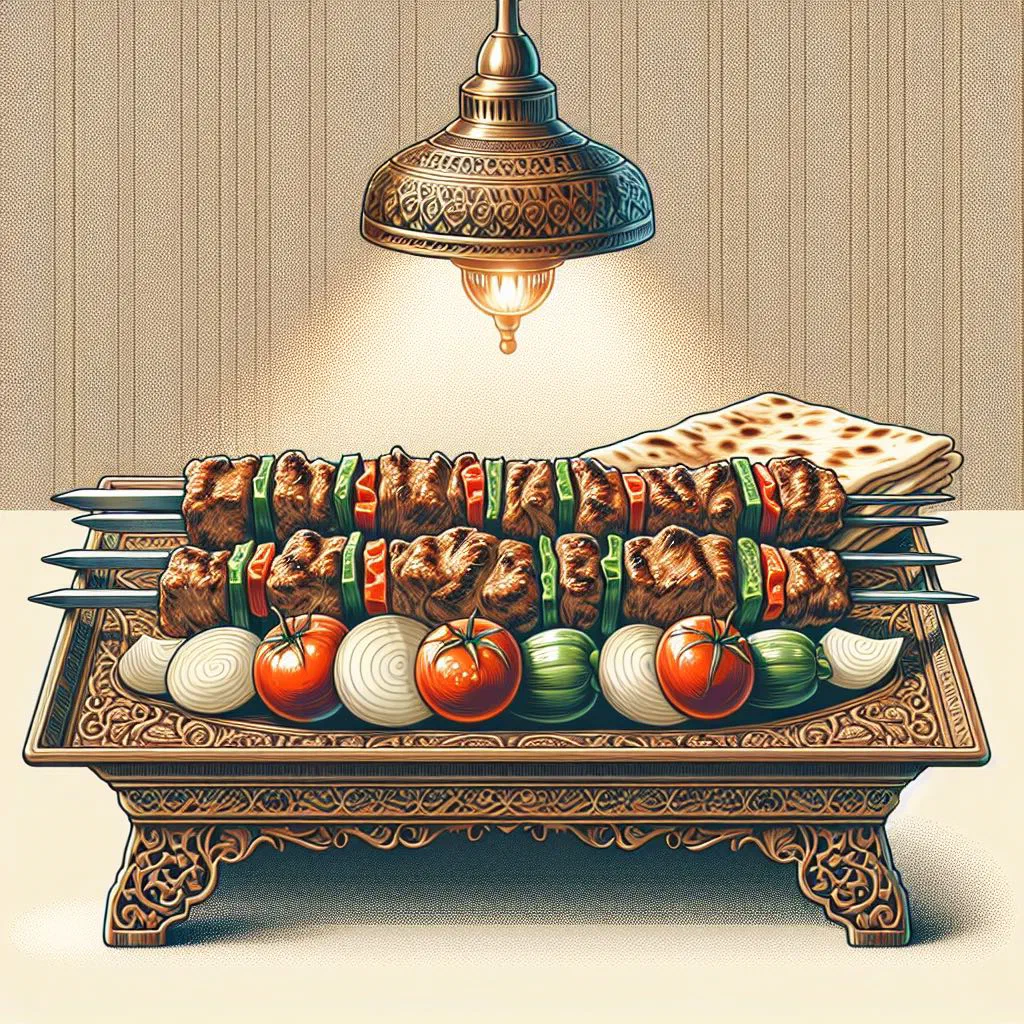
Kabab Kuwaiti is a traditional dish from Kuwait, served in countless homes and at festive occasions alike. It consists chiefly of tender morsels of marinated meat, threaded onto skewers and grilled or pan-fried. The dish reflects the breadth of Kuwaiti cuisine and is prized for its aromatic spicing, which lifts the meat into something genuinely memorable. Made with fresh, locally available ingredients, every bite becomes a small journey through the traditions and culture of Kuwait.
Ingredients (serves 1–2)
- 500 g lamb or beef, cut into cubes
- 3 tablespoons yoghurt
- 2 tablespoons olive oil
- 1 teaspoon cumin
- 1 teaspoon ground coriander
- 1 teaspoon paprika
- 1 teaspoon salt
- 1 teaspoon black pepper
- Juice of 1 lemon
- 1 onion, cut into chunks
- Fresh parsley, to garnish
Shopping for the ingredients
For kabab kuwaiti it pays to be fussy about the meat. Fresh lamb or beef is decisive for both the flavour and the tenderness of the finished skewers. Buy your spices from a well-stocked grocer or a specialist Middle Eastern shop to get the fullest aromas possible. It is also worth picking up fresh herbs such as parsley or mint, as they round the dish off beautifully.
Preparing the dish
Preparation makes or breaks kabab kuwaiti. Start by weighing out and laying out every ingredient before you begin. Marinating the meat is the crucial step: it gives the spices time to work their way in and the meat time to tenderise. Ideally, leave the meat in the fridge for at least 2 hours, or overnight, so the flavours can develop fully.
Step-by-step instructions
- Marinate the meat in a bowl with the yoghurt, olive oil, cumin, coriander, paprika, salt, pepper and lemon juice. Mix well, cover and refrigerate.
- Once marinated, thread the meat onto skewers, alternating with chunks of onion.
- Preheat a grill or griddle pan to a medium heat.
- Lay the skewers on the grill and cook for about 10–15 minutes, turning occasionally, until the meat is cooked through and lightly browned.
- Lift the skewers off the grill and let them rest for a few minutes before serving.
- Garnish with fresh parsley and serve warm.
Gluten-free / lactose-free version
Kabab kuwaiti is easily made gluten-free and lactose-free. The recipe contains no gluten by nature, so fresh meat and spices are always a safe bet. For a lactose-free marinade, simply use lactose-free yoghurt or leave the yoghurt out altogether. The result is not only delicious but suitable for anyone with a gluten or lactose intolerance.
Tips for vegans and vegetarians
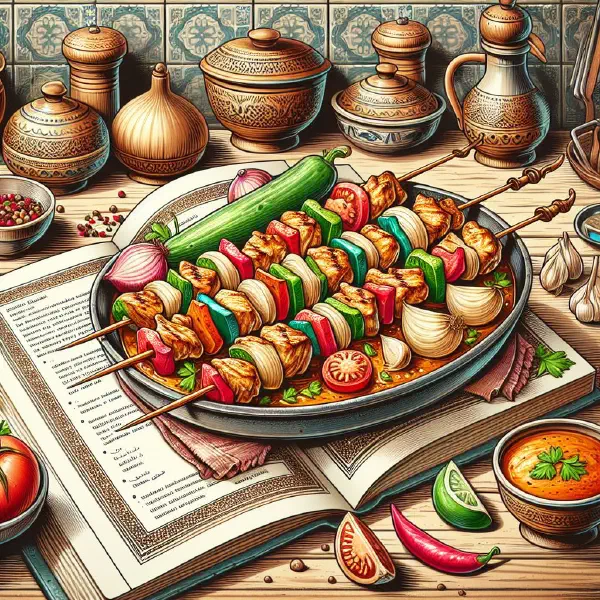
There are excellent vegan and vegetarian versions of kabab kuwaiti. In place of meat, use firmer vegetables such as courgette, peppers, mushrooms and aubergine. These take the marinade just as happily and deliver plenty of flavour. Tofu or seitan also work well. Just take care that the marinade itself stays plant-based. For a meat-free feast, serve them alongside Falafel and Hummus.
More tips and tricks
A few extra touches will intensify the aroma of kabab kuwaiti. Marinate the meat early to reach a greater depth of flavour. Consider seasoning the skewers with a little smoked paprika for a distinctive note. When grilling, resist the urge to crank up the heat, as too much will dry the meat out. A moderate temperature keeps it tender and juicy.
Adapting the recipe to your taste
Tailoring the kabab kuwaiti recipe to your own preferences is simple and rather good fun. Experiment with different spice variations such as turmeric or cinnamon to add another dimension. The choice of meat can vary too, depending on whether you favour lamb, beef or even poultry, much as it does in Shish Tawook. That way you can shape the dish to your taste while keeping the tradition intact.
Ingredient substitutions
If a particular ingredient is not to hand, alternatives are easy to find. Lime juice stands in for fresh lemon juice, bringing a slightly different but equally bright note. Instead of yoghurt, coconut milk combined with a splash of vinegar gives a similar consistency and pleasant tang. Swaps like these make the recipe versatile and accessible to everyone.
Drink pairing ideas
To round out the kabab kuwaiti experience, several drinks pair splendidly. A fresh mint tea or a refreshing lemon water with herbs are ideal companions. For something more substantial, traditional drinks such as ayran, a cooling yoghurt drink in the spirit of Laban, are a popular choice. When eating in company, alcohol-free cocktails with fruit and mint work well to lift the flavours.
Serving and presentation ideas
Presentation can improve the whole kabab kuwaiti experience considerably. Arrange the skewers on a large platter and garnish with fresh herbs, lemon slices and a selection of dips such as hummus or tahini. A handsome wooden board is another way to nod to the traditional style of serving. Careful presentation ensures the dish looks every bit as appetising as it tastes.
A bit of history
Kabab kuwaiti is more than a dish. It is part of Kuwaiti culture and history. Originally shaped by Bedouin traditions of grilling meat over open fires, the recipe has evolved and adapted over the years. It is a favourite at festivals and gatherings, and it stands for hospitality and community. Today it brings together people of all backgrounds who enjoy the flavours and memories of Kuwait.
More recipe ideas
- Shawarma — spiced meat, thinly sliced and served in pita.
- Chicken Kofta — savoury meatballs or rolls, often grilled.
- Mumawwash — rice with lentils and caramelised onions, a hearty vegetarian option.
- Fattoush — a refreshing salad with mixed vegetables and toasted flatbread.
- Baba Ghanoush — a smoky aubergine dip that goes perfectly with pita.
Summary: Kabab Kuwaiti
In short, kabab kuwaiti is a celebratory dish that impresses with its delicious flavour and with the way it mirrors the culture of Kuwait. A commitment to careful preparation and fresh ingredients makes this recipe a must in any kitchen. It brings the aromas and traditions of Kuwait straight to your table. Let the flavours win you over and enjoy a piece of Kuwaiti culture.