National Dish Kuwait: Kabsa (Recipe)
In this article
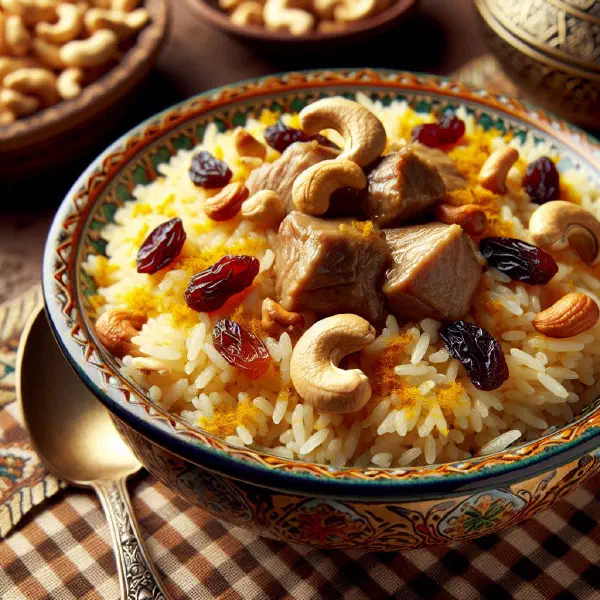
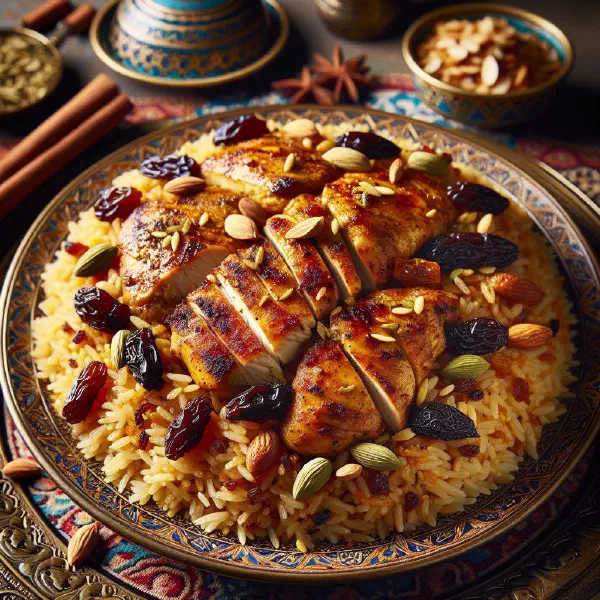
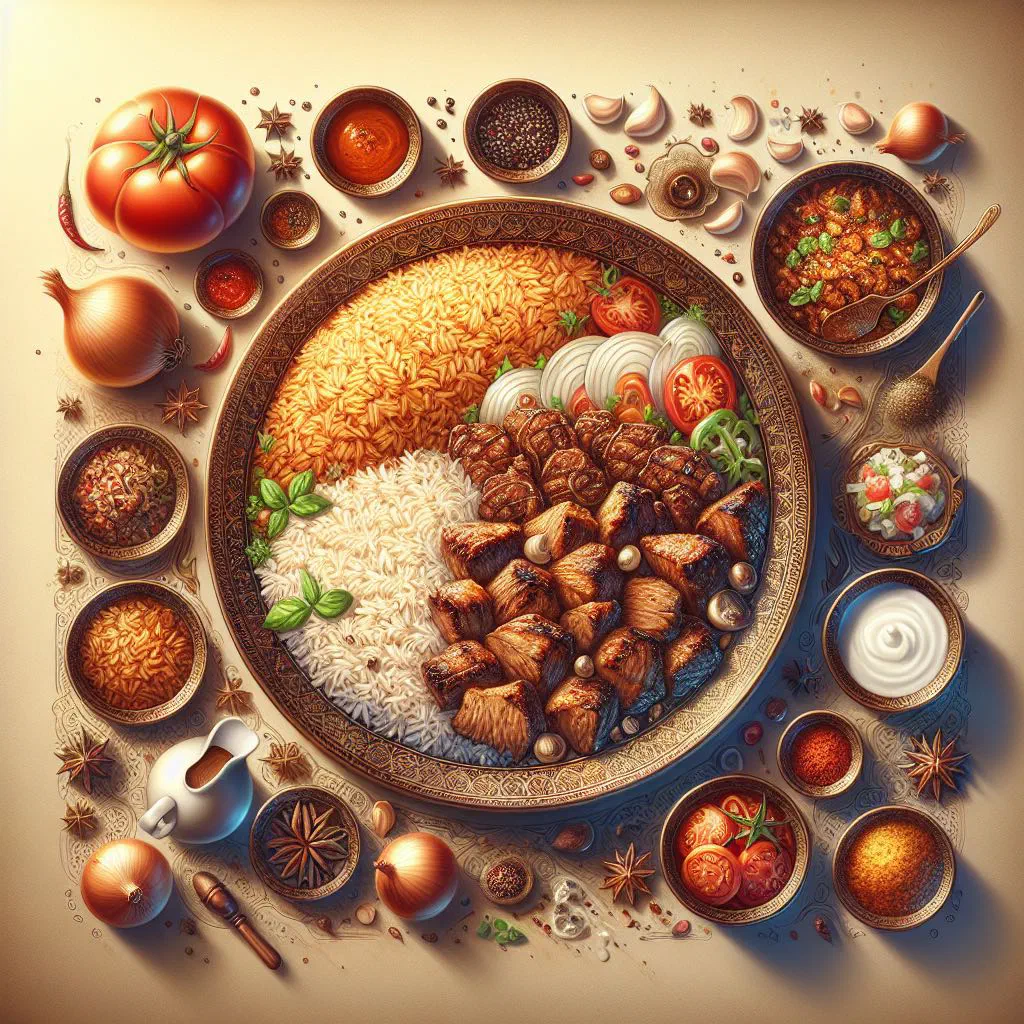
Discover Kabsa, the fragrant rice-and-meat feast at the heart of Kuwaiti hospitality. Tender basmati rice soaks up a warmly spiced broth while chicken, lamb or beef turns meltingly soft alongside it. Cinnamon, cardamom and cumin fill the kitchen with the scent of the Gulf, and a scattering of almonds and raisins finishes the platter. This is a dish made for sharing, generous, comforting and quietly spectacular.
About Kabsa
Kabsa is more than just a dish; it is a piece of Kuwait’s cultural heritage. This traditional rice dish is built on basmati rice and paired with meats such as chicken, lamb or beef. Its aromas come from a blend of spices that flatter the palate, cinnamon, cardamom and cumin among them. With its rich flavours and its use of nuts and dried fruit, Kabsa is a genuine delicacy, loved in countless homes and served at festive occasions the length of the country.
Ingredients (serves 1–2)
- 200 g basmati rice
- 300 g chicken breast or chicken legs
- 1 large onion
- 2 cloves of garlic
- 1 teaspoon cumin
- 1 teaspoon cinnamon
- 1 teaspoon cardamom
- 2 tablespoons tomato purée
- 1 litre vegetable or meat stock
- Olive oil
- Salt and pepper to taste
- A handful of almonds and raisins (optional)
Shopping for the ingredients
Fresh, good-quality ingredients make all the difference to Kabsa. Basmati rice gives you the right texture and fragrance, while the meat forms the central component of the dish. Visit a local supermarket or a Middle Eastern grocery to track down the spices and the stock you need. Choose the freshest produce you can find. It is the simplest way to get the very best out of the finished plate.
Preparing the dish
Begin with the prep work on the vegetables. Dice the onion finely and chop the garlic. These two form the base of the aromatic sauce that brings the dish to life. Make sure every spice is measured out and ready before you start, as this keeps the cooking process straightforward and helps the flavours distribute evenly through the rice.
Step-by-step instructions
- Heat a little olive oil in a large pan and fry the onions until golden brown.
- Add the garlic and fry briefly alongside them.
- Add the meat to the pan and brown it on all sides.
- Stir in the spices and the tomato purée and let them cook for a moment.
- Pour in the stock and bring everything to the boil.
- Reduce the heat and let the dish simmer for 15–20 minutes.
- Meanwhile, rinse the rice under cold water and add it to the pan.
- Cover the pan and cook the rice over a low heat for a further 20 minutes.
- Serve the Kabsa hot, garnished with almonds and raisins if you like.
Gluten-free / lactose-free version
Kabsa is naturally gluten-free and lactose-free, since it contains neither gluten-bearing ingredients nor dairy. You can be confident that everyone at the table will be able to enjoy these flavours without worrying about intolerances. Just check that all your ingredients, the stock in particular, are certified free from gluten, then sit back and enjoy the meal.
Tips for vegans and vegetarians
Vegans and vegetarians can adapt Kabsa with ease by replacing the meat with vegetables, tofu or seitan. Use vegetable stock in place of chicken stock to keep the depth of flavour intact. Add extra vegetables such as carrots, peas or peppers to boost both the aroma and the nutritional value. Plant-based eaters get to enjoy exactly the same striking combination of flavours, much as they do with a plate of Hummus.
More tips and tricks
To intensify the flavour of Kabsa, adjust the spices to suit your own preferences. Experiment with rose water or saffron for a particularly luxurious note, the same trick that lifts a simple Safran Rice. The right ratio of rice to liquid is crucial if you want to avoid a claggy texture. Let the dish rest for a few minutes after cooking so the rice can take on the flavour properly.
Adapting the recipe to your taste
The versatility of Kabsa lets you tailor the dish to your personal preferences. If you like more heat, add a little chilli or paprika. Nuts such as pistachios or walnuts will vary both the texture and the taste. Finally, you can change up the vegetables and the cut of meat to make every batch a little different from the last.
Ingredient substitutions
If some of the traditional ingredients are hard to come by, there are plenty of alternatives. You might use jasmine rice instead of basmati rice, for example. For the spice mix, a commercial five-spice blend will stand in when the individual spices are missing, the same flexible approach that works for a Biryani. The main idea is to experiment with different aromas and create a dish that makes you happy.
Drink pairing ideas
To round off your Kabsa meal, choose drinks that complement its intense flavours. A refreshing mint tea or a sweet date syrup drink finishes the experience nicely. Yoghurt drinks such as Laban are an excellent choice too, as they bring a cooling note to the table. Experiment a little to see what suits your own taste best.
Serving and presentation ideas
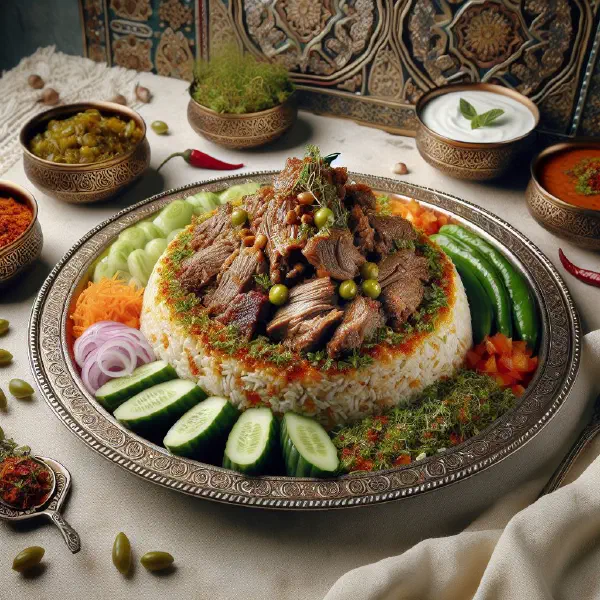
Presentation plays a big part in serving Kabsa well. Use large, flat platters so the dish can be arranged invitingly. Garnish with fresh herbs such as coriander or parsley, and add almonds and raisins for colour and texture. A beautifully dressed serving platter turns your Kabsa into the centrepiece of any table. Try a crisp Fattoush alongside for contrast.
A bit of history
The story of Kabsa reaches far back and is rooted deep in Arab culture. Originally from the Arabian Peninsula, it has been handed down over the centuries by Bedouins and home cooks alike. Every country has its own version, and in Kuwait it is a symbol of hospitality and community. Preparing and presenting Kabsa often becomes the focal point of a social gathering, and it remains one of the defining plates of Kuwaiti cuisine.
More recipe ideas
Summary: Kabsa
Kabsa is a bright, delicious dish that embodies the essence of Kuwaiti cooking. The combination of tender meat, spiced rice and a wealth of aromas makes it a feast that is shared often and gladly. It is not only a pleasure for the palate but an invitation to sociability and to the exchange of culture and tradition. Let Kabsa come alive in your own kitchen and enjoy the flavours of the Gulf.