National Dish Kuwait: Khabsa (Recipe)
In this article
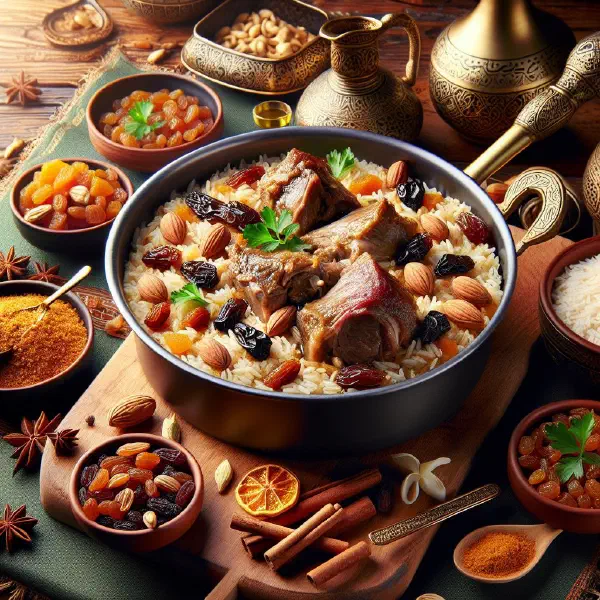
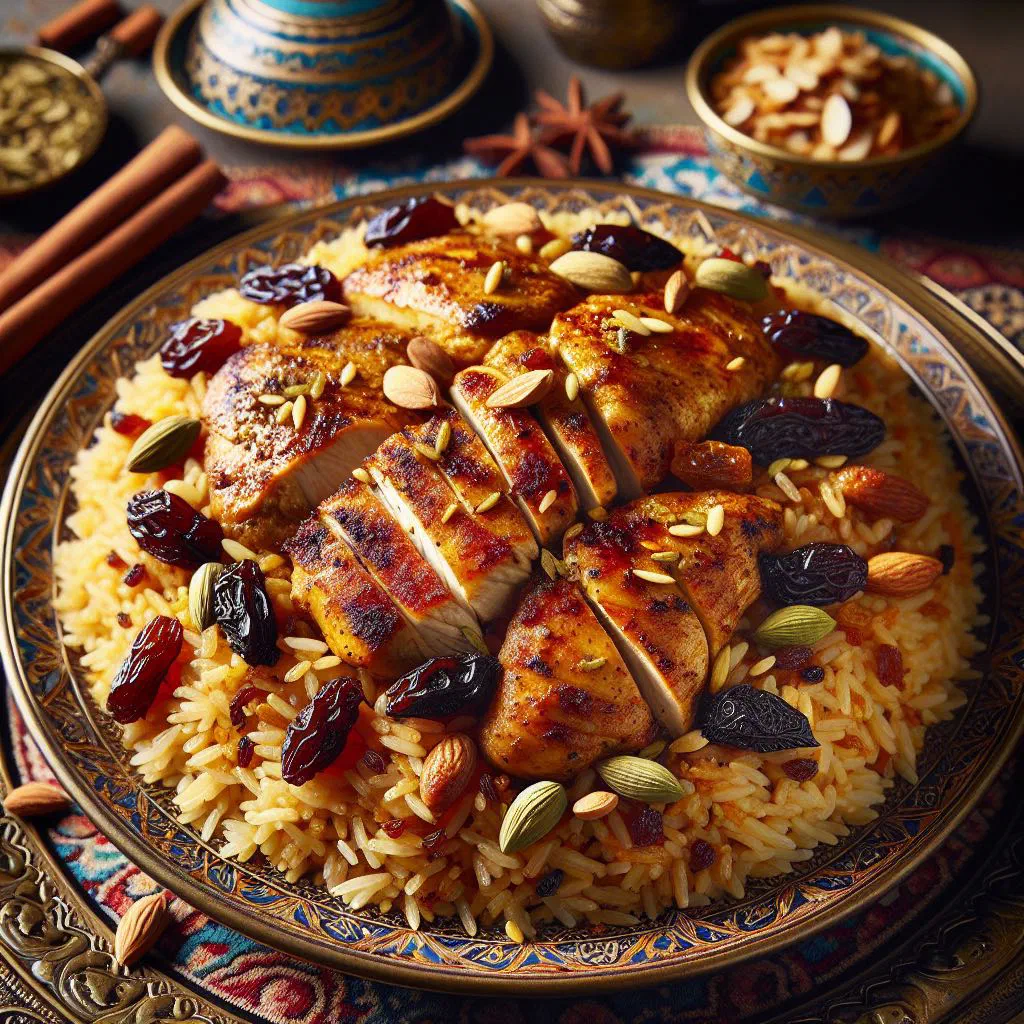
Meet Khabsa, the fragrant rice-and-meat feast that sits at the very heart of Kuwaiti hospitality. Cardamom, cinnamon and cumin perfume every grain, while sweet raisins and roasted nuts scattered over the top turn a simple pot of rice into something worth gathering around. It is celebration food and family food all at once, and far easier to make at home than its generous, festive looks suggest.
About Khabsa
Khabsa is more than just a dish; it is a symbolic meal that reflects the cultural identity of Kuwait. Passed down from generation to generation, it has evolved steadily over the years. With a combination of spices such as cardamom, cinnamon and cumin, Khabsa gives both the rice and the meat their unmistakable flavour. The dish is often finished with hazelnuts and raisins, which lend it a particularly special character.
Ingredients (serves 1–2)
- 200 g basmati rice
- 300 g chicken or lamb
- 1 onion, finely chopped
- 2 cloves of garlic, chopped
- 1 teaspoon ground cumin
- 1 teaspoon ground cinnamon
- 1 teaspoon cardamom
- 2 tablespoons tomato purée
- 1 handful of raisins
- 1 handful of roasted hazelnuts
- Salt and pepper to taste
- 2 tablespoons vegetable oil
- 500 ml water or stock
Shopping for the ingredients
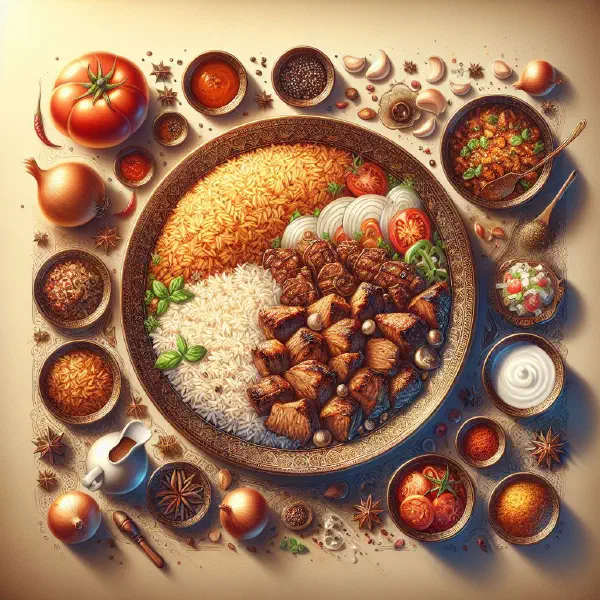
When shopping for Khabsa, take care to choose fresh, good-quality produce. Basmati rice is prized for its aromatic character and should be easy to find in most supermarkets these days. The meat can be picked according to preference, while the spices turn up in any well-stocked spice aisle. Try visiting local markets to track down fresh ingredients and perhaps discover interesting spice variations along the way, the same shopping trip that serves you well for a Machbous.
Preparing the dish
Preparation is the key to a perfect Khabsa. Begin by washing the basmati rice and soaking it in water for around 30 minutes. This helps loosen the grains and ensures they cook evenly. While the rice soaks, cut the meat into pieces and chop the onion and garlic. A well-organised mise en place makes the cooking considerably easier and keeps everything running smoothly.
Step-by-step instructions
- Heat the vegetable oil in a large pan, add the chopped onion and garlic, and fry both until golden brown.
- Add the meat and brown it on all sides until it has taken on good colour.
- Stir in the spices (cumin, cinnamon, cardamom) and the tomato purée. Mix well so the aromas can develop.
- Pour in the water or stock and bring everything to the boil. Lower the heat and let it simmer until the meat is tender (around 30 minutes).
- Now add the soaked rice and the raisins. Stir gently and cook over a low heat until the rice has absorbed the liquid and is done.
- Before serving, garnish the dish with roasted hazelnuts. Serve Khabsa warm, ideally with a fresh salad or yoghurt.
Gluten-free / lactose-free version
Khabsa lends itself beautifully to a gluten-free and lactose-free diet. The dish is built mainly on rice and meat, both of which are naturally free from gluten. Instead of yoghurt on the side, you can use plant-based alternatives that are just as creamy and round out the flavour nicely. When choosing your spices, check that they contain no additives carrying gluten or lactose.
Tips for vegans and vegetarians
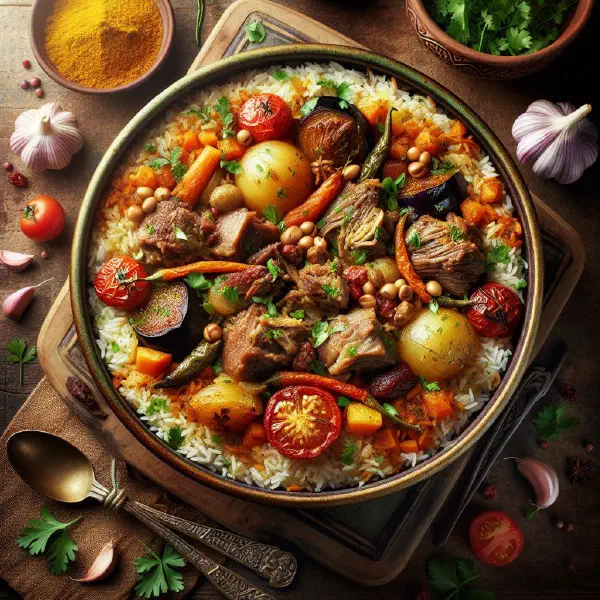
For vegan versions of Khabsa, simply replace the meat with vegetables or tofu. Try a combination of carrots, peas and chickpeas for extra protein. Using vegetable stock in place of meat stock keeps the dish every bit as tasty and nourishing. Spices are essential for keeping it aromatic, so do not be shy with them, the same generous hand that makes a good Saloona sing.
More tips and tricks
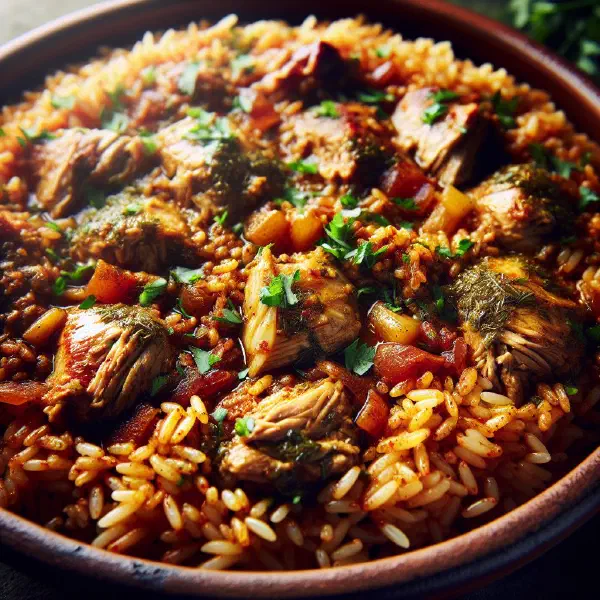
A few simple tips will help you get the best out of Khabsa. Use fresh spices wherever possible, as they are far more intense in flavour than ready-ground versions. Bear in mind that cooking over a low heat gives the dish more time to absorb the aromas while the meat turns meltingly tender. Experiment with different ingredients too, and decide for yourself whether you want to add extra nuts or dried fruit.
Adapting the recipe to your taste
The beauty of Khabsa is how easily you can tailor it to your own preferences. Like it hotter? Add a little chilli or cayenne pepper. Prefer something milder? Leave out the fiery spices and lean into the sweet notes of cinnamon and raisins. You can also vary the vegetables you use, making sure every ingredient is fresh and delicious.
Ingredient substitutions
If you do not have all the ingredients for Khabsa to hand, there are plenty of useful alternatives. Instead of basmati rice you can use jasmine rice or quinoa, both of which harmonise well with the spices. For a different flavour direction, swap the chicken for duck or lamb, much as you would when moving between a Kabsa and a Mandi. As for the nuts, almonds or walnuts will bring new textures and tastes to the pot.
Drink pairing ideas
When it comes to drinks for Khabsa, refreshing options work best. A chilled mint tea or a lightly sweetened hibiscus tea complements the flavours of the dish wonderfully. Water with lime or lemon is another refreshing choice that balances the spices, and a small cup of Arabic Coffee rounds off the meal in the traditional way. For a festive touch, alcohol-free cocktails built on fruit and herb blends make a lovely addition.
Serving and presentation ideas
The presentation of Khabsa can lift the whole eating experience enormously. Serve the dish in a large bowl and garnish it with roasted nuts and fresh herbs such as parsley or coriander. A pleasing mix of colours from the various ingredients makes the dish immediately appealing. Use traditional serving platters to celebrate Kuwaiti culture and give your guests a visual treat as well as a delicious one.
A bit of history
Khabsa has a long and varied history rooted deep in Kuwaiti culture. Originally prepared by Bedouins, the dish has been refined and adapted over the centuries. Today it counts among the most important plates in Kuwaiti cuisine. Many families have their own recipe, often handed down from generation to generation, and each version tells the story of its own origins and traditions.
More recipe ideas
Summary: Khabsa
In short, Khabsa is not merely a dish but a piece of Kuwaiti culture. It brings together a wealth of aromas and textures and is ideal for special occasions or a relaxed family dinner. The preparation is straightforward, and with a little practice you will be combining the different elements into a perfect plate. Give it a go and discover the flavours Kuwait has to offer.