National Dish Kuwait: Khameer Bread (Recipe)
In this article
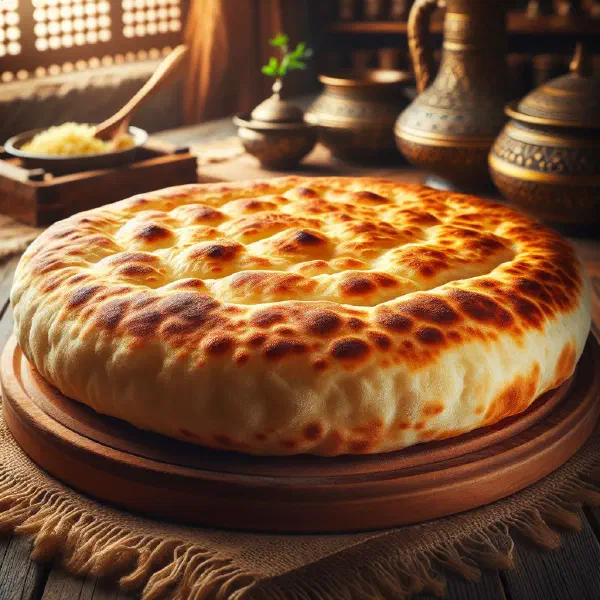
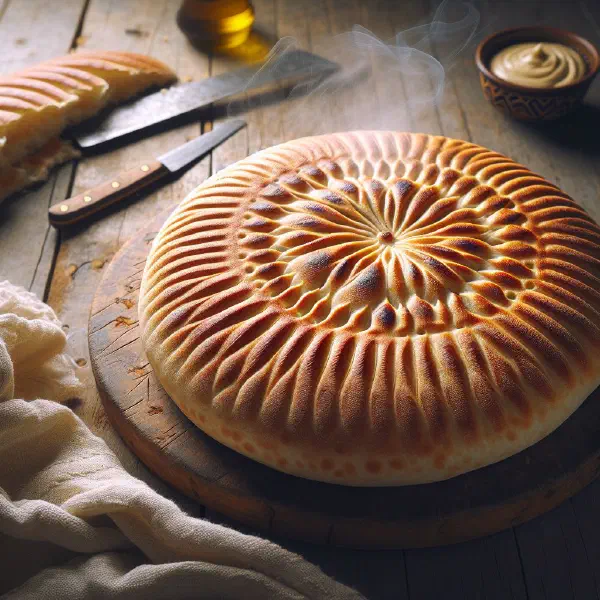
Soft, pillowy and warm from the oven, Khameer Bread is one of those simple pleasures that says more about a kitchen than any elaborate centrepiece could. This traditional Kuwaiti yeast bread asks for nothing more than flour, water, yeast and a good glug of olive oil, yet it rises into rounds with a tender crumb and a whisper of a crust. In Kuwait it is a byword for hospitality, torn and shared alongside dips at family tables and festive gatherings alike.
About Khameer Bread
Khameer is a traditional Kuwaiti yeast bread, best known for its light, airy texture. It is usually made with simple ingredients you will already have in the cupboard, which is much of its charm. The bread is often served with a selection of dips or as an accompaniment to main courses such as Machbous. In Kuwait it is regarded as a symbol of hospitality and appears regularly at festive occasions.
Ingredients (serves 1–2)
- 250 g wheat flour
- 1 sachet dried yeast (7 g)
- 1 teaspoon sugar
- 1 teaspoon salt
- 150 ml warm water
- 2 tablespoons olive oil
Shopping for the ingredients
The ingredients for khameer are easy to find in almost any supermarket. When buying wheat flour, go for a good quality one. It makes a noticeable difference to the finished loaf. Use fresh dried yeast as well, since this is what allows the dough to rise properly. Olive oil does more than add flavour: it gives the bread a tender crust and a pleasingly soft consistency.
Preparing the dish
Before you start on khameer, make sure everything you need is within reach. It makes the process far smoother and saves you rummaging through cupboards mid-bake. Have a suitable bowl and a baking tray ready so the dough can rest and prove without delay. A warm environment encourages the dough to rise, which is the single most important factor in getting a perfect result.
Step-by-step instructions
- Mix the warm water with the sugar and dried yeast in a bowl and leave to stand for 10 minutes.
- Put the wheat flour and salt into a large bowl and combine well.
- Add the foaming yeast mixture and the olive oil to the flour and knead everything thoroughly.
- Knead the dough on a floured surface for about 10 minutes, until it is smooth and elastic.
- Cover the bowl with a cloth and leave in a warm place for about 1 hour, until the dough has doubled in volume.
- Knead the risen dough again on a floured surface and divide it into small portions.
- Shape the portions into round flatbreads and place them on a baking tray.
- Leave the breads to prove for a further 30 minutes, then bake in a preheated oven at 220°C for 10–12 minutes.
Gluten-free / lactose-free version
To make khameer gluten-free, use a blend of gluten-free flours such as rice flour and cornflour. Do check that your yeast is certified gluten-free too. For a lactose-free version there is barely anything to change. Simply stick with olive oil rather than any butter-based product. These alternatives keep the lovely texture of the bread intact and are ideal for anyone with an intolerance.
Tips for vegans and vegetarians
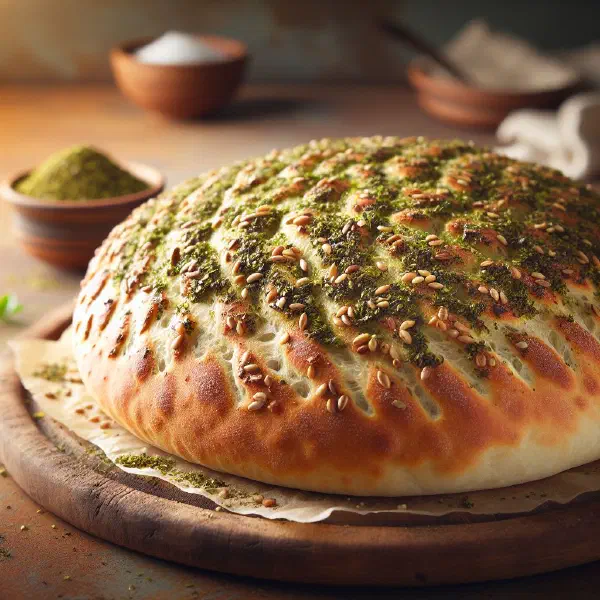
The basic khameer recipe is already vegan, as it contains no animal products at all. If you fancy livening it up, work herbs or spices such as sesame or cumin into the dough. These aromas give the bread a character of its own and make it feel a little more special. Serve it with plant-based spreads or dips, a bowl of Hummus turns it into a proper meal.
More tips and tricks
To get the very best out of your khameer, be willing to experiment. Add different fillings or flavourings to shape the bread around your own taste. One good tip is to give the dough a longer rest, which lets the flavours develop more fully. You can also brush the loaves with a garlic and oil mixture straight after baking for an extra kick.
Adapting the recipe to your taste
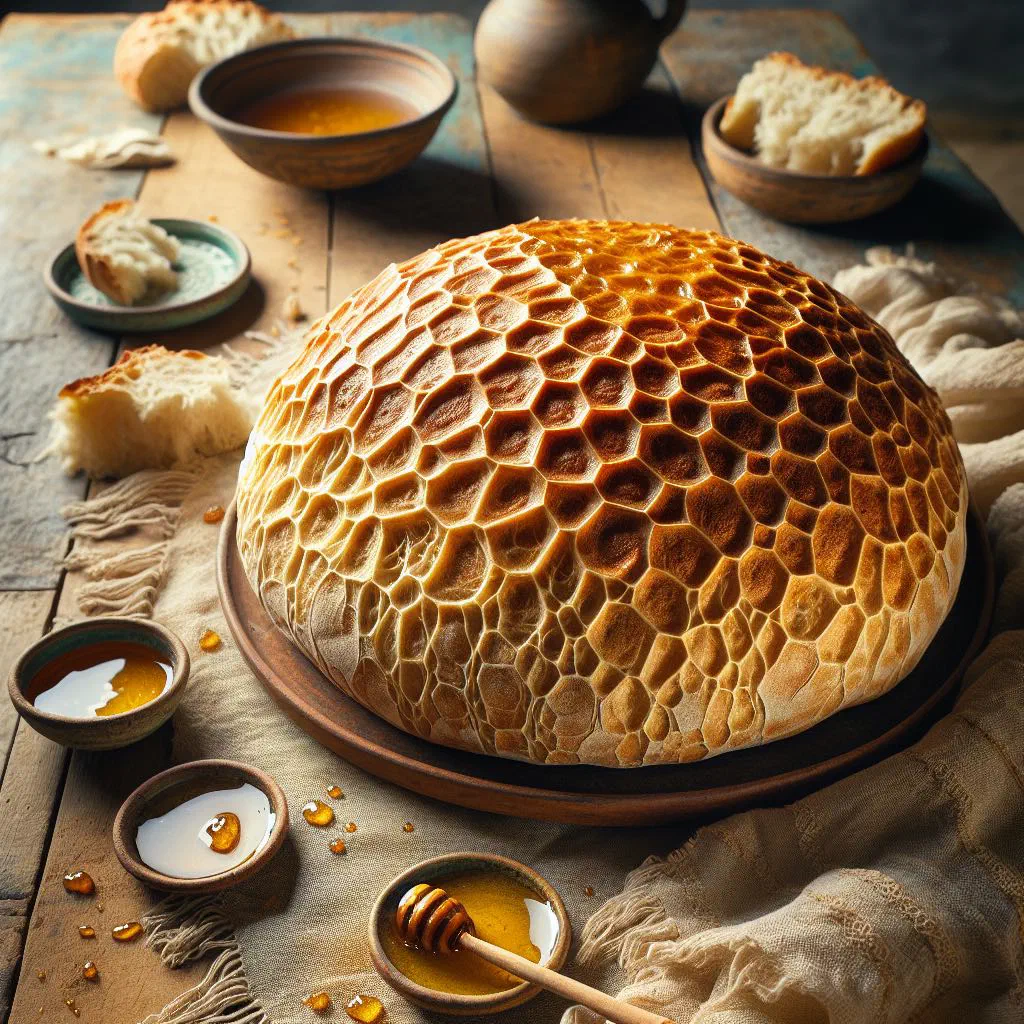
The khameer recipe takes to small changes readily. Use wholemeal flour for a healthier version, for instance, or fold grated cheese into the dough for extra savouriness. For something sweeter, a little honey or cinnamon works beautifully. Adjustments like these make the recipe genuinely versatile and let you build it around your own preferences.
Ingredient substitutions
If you have no yeast to hand, you can experiment with baking powder for a quick bread instead. Other vegetable oils stand in perfectly well for olive oil. When using different types of flour, keep an eye on the flour-to-water ratio so you reach the consistency you are after. These alternatives let you work flexibly with whatever is already in the kitchen.
Drink pairing ideas
A number of drinks go beautifully with a fresh piece of khameer. A classic Arabic Coffee or a glass of mint tea complements the bread’s aromas perfectly. For a later meal, consider a yoghurt drink such as Laban, which harmonises well with the soft texture of the bread. These combinations will please the palate and round out the whole eating experience.
Serving and presentation ideas
How you present khameer can lift the meal considerably. Serve the breads on a handsome wooden board alongside a selection of dips, hummus, perhaps, or a fiery chilli sauce, or the smoky depth of Baba Ghanoush. Freshly chopped herbs also make an attractive garnish. Arranging the breads with a bit of creativity does as much for the eye as it does for the appetite.
A bit of history
Khameer has a long tradition across the Middle East and is deeply rooted in Kuwaiti culture. It is often seen as a mark of hospitality and is served on special occasions and holidays. Historically the bread was a staple food, passed down from one generation to the next. Today it is still baked in homes and restaurants throughout the country, keeping the traditions of Kuwaiti cuisine very much alive.
More recipe ideas
Summary: Khameer Bread
In short, khameer is a versatile and thoroughly tasty bread that lets you bring a piece of Kuwaiti culture into your own kitchen. This traditional yeast bread makes an excellent accompaniment to all sorts of dishes, or simply a snack to see you through the afternoon. The straightforward ingredients and uncomplicated method make it an ideal recipe for beginners and seasoned bakers alike. Let the aromas and the history of khameer inspire you, and enjoy a taste experience quite unlike any other.