National Dish Kuwait: Khubz (Recipe)
In this article
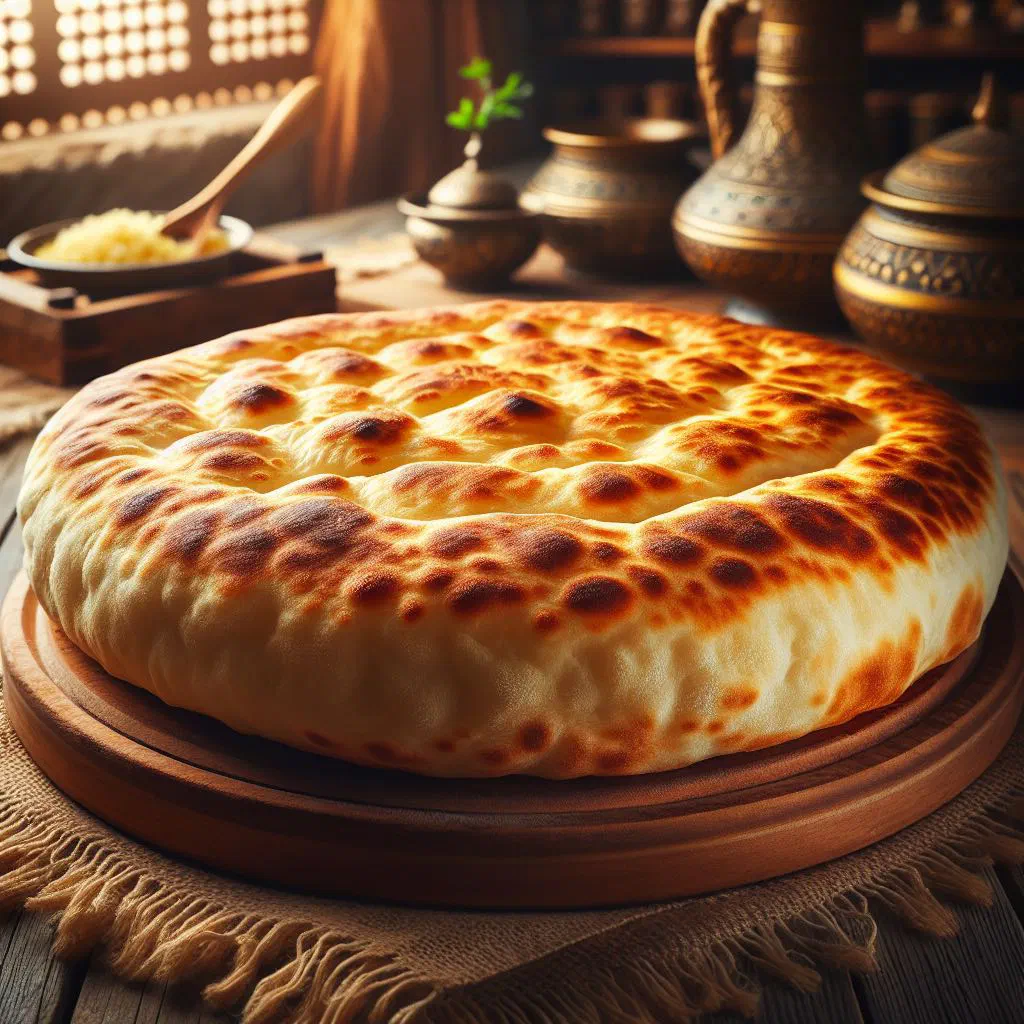
Discover Khubz, the everyday flatbread that holds Kuwaiti tables together. Made from little more than flour, water and yeast, it bakes up light and pillowy with a gently nutty flavour that suits almost anything you serve it with. Tear it over a bowl of stew, wrap it around grilled meat, or dip it in good olive oil. This simple recipe brings a genuine taste of Kuwaiti life into your own kitchen.
About Khubz
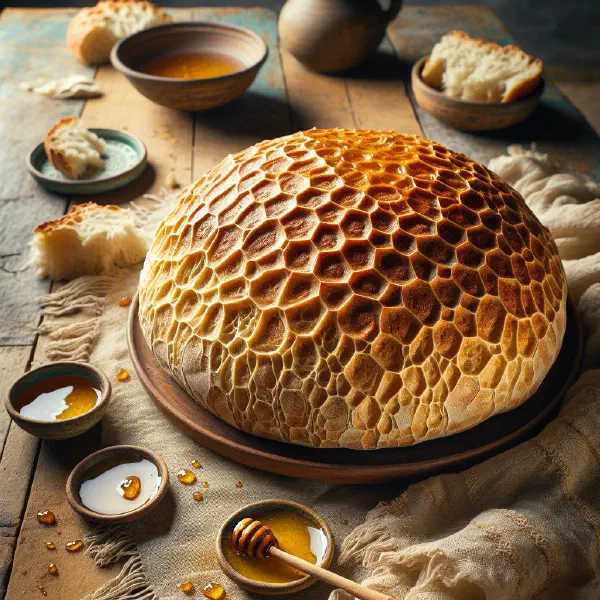
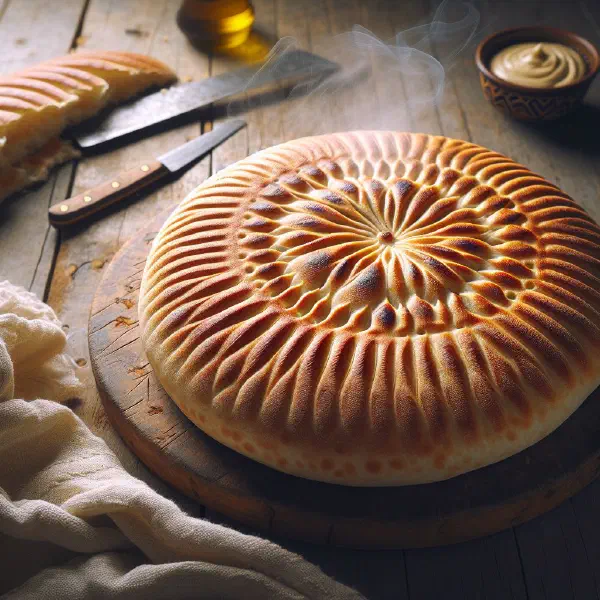
Khubz, the traditional flatbread of Kuwait, is far more than a staple foodstuff. It is a symbol of Kuwaiti culture. It is usually made from wheat flour, water and yeast, which together produce a delicious and endlessly versatile bread. The loaf has an airy texture and a subtly nutty flavour that pairs beautifully with a great many dishes. Whether alongside hearty stews, grilled meats such as Dajaj Mashwi, or simply with a drizzle of olive oil, khubz is a must for anyone setting out to explore Kuwaiti cuisine.
Ingredients (serves 1–2)
- 250 g wheat flour
- 150 ml water
- 1 teaspoon yeast
- 1 teaspoon salt
- 1 tablespoon olive oil
Shopping for the ingredients
Your wheat flour should be fresh to guarantee the best flavour. Yeast is just as crucial, since it gives the bread its lift and lightness. Olive oil brings aroma to the dough, so it is worth investing in a good cold-pressed bottle.
Preparing the dish
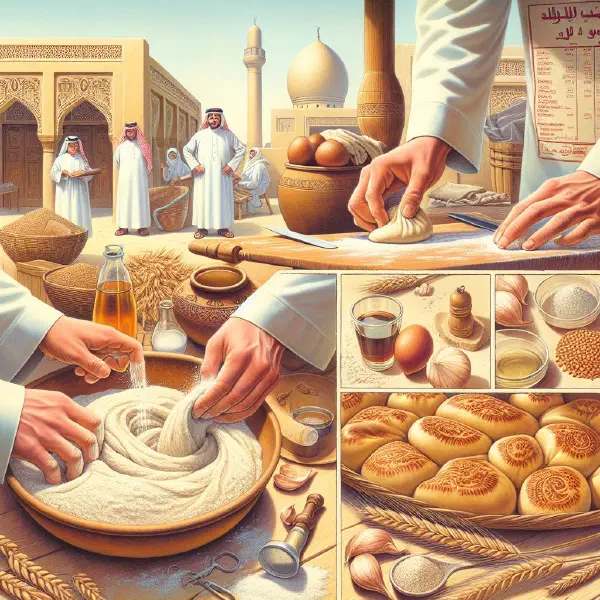
Getting ready to make khubz is straightforward and does not take long. Start by setting out and measuring all your ingredients. The flour and salt can be combined in a large bowl, while the yeast should be dissolved in warm water. These steps ensure the dough rises evenly and the bread ends up with a perfect consistency.
Step-by-step instructions
- Combine the flour and salt in a bowl.
- Dissolve the yeast in warm water, then add it to the flour mixture.
- Pour in the olive oil and knead everything thoroughly until you have a smooth dough.
- Cover the dough and leave it to rest in a warm place for about an hour.
- Divide the dough into portions and roll each one out thinly.
- Bake the flatbreads in a hot pan for roughly 2–3 minutes on each side.
Gluten-free / lactose-free version
Making khubz gluten-free calls for gluten-free flours such as rice flour or buckwheat flour. Combine these with a binder like xanthan gum to hold the structure together. For a lactose-free version, simply use olive oil rather than butter, which also improves the flavour of the bread.
Tips for vegans and vegetarians
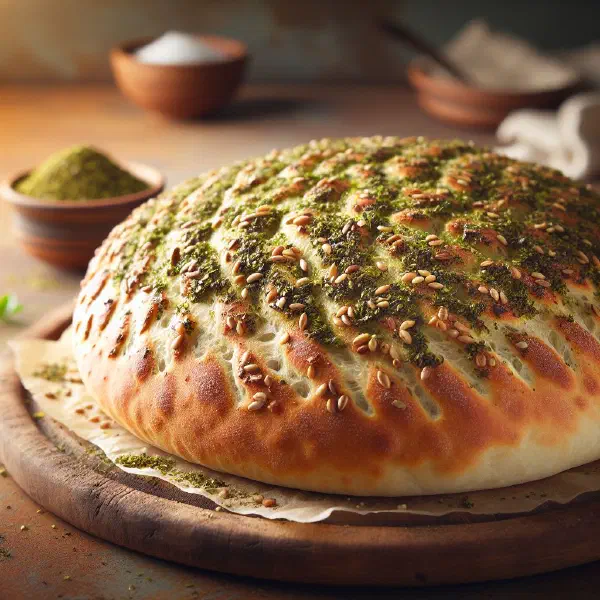
Khubz is naturally vegan and vegetarian, since none of the ingredients come from animals. To make the bread even healthier, you can use wholemeal flour. You might also work various herbs and spices into the dough to vary the flavour, an approach that makes the loaf not only more nourishing but more interesting to eat, much as in a fragrant Zaatar Bread.
More tips and tricks
For the best texture and flavour, give the dough long enough to prove. This is essential to guarantee the airiness of the khubz. You can also use a pizza stone to bake the bread more evenly. And do not forget to dust your surface with a little flour when rolling out, so the dough does not stick.
Adapting the recipe to your taste
The khubz recipe is easily adjusted to suit different preferences. Feel free to add herbs such as thyme or rosemary to lend the bread extra flavour. You can also experiment with the thickness of the flatbreads to find the consistency you like best, some people prefer them thicker, while others go for the thinner version.
Ingredient substitutions
If you have no wheat flour to hand, other types such as spelt or oat flour will work just as well. These give you the same airy dough but bring different flavours and nutritional profiles. If you would rather not use yeast, baking powder is an option that makes preparation even quicker. Do bear in mind, though, that the taste will vary slightly.
Drink pairing ideas
Khubz goes splendidly with all sorts of drinks. Mint tea is a particular favourite and complements the flavour of the bread perfectly. Yoghurt drinks such as Laban are often served too, being refreshing and light. For a more festive occasion, you could enjoy it with a good red wine or an aromatic beer.
Serving and presentation ideas
To present khubz attractively, arrange it on a large wooden board. Add dips such as Hummus or Baba Ghanoush to round out the meal. Fresh herbs and small bowls of olive oil create a lovely visual effect. You might also keep some fresh vegetable sticks on hand to make the whole experience that bit more varied.
A bit of history
Khubz has a long history reaching back to the ancient civilisations of the Middle East. It forms part of the daily diet for many people across the region and is often seen as a symbolic bread, one that fosters community and togetherness. In Kuwait, khubz is traditionally served with almost every meal and plays a central role in the country’s gastronomy. The bread has evolved over the centuries, yet remains a fixture of the culture.
More recipe ideas
Summary: Khubz
Khubz is more than a simple flatbread. It is a genuine piece of Kuwaiti culture. With its versatility and its uncomplicated preparation, it will quickly become a favourite in your kitchen. Whether as an accompaniment to hearty stews or as a snack for dipping, khubz belongs in every Kuwaiti kitchen. Give the recipe a go and enjoy the unique taste of Kuwait right at home.