National Dish Kuwait: Mahalabia (Recipe)
In this article
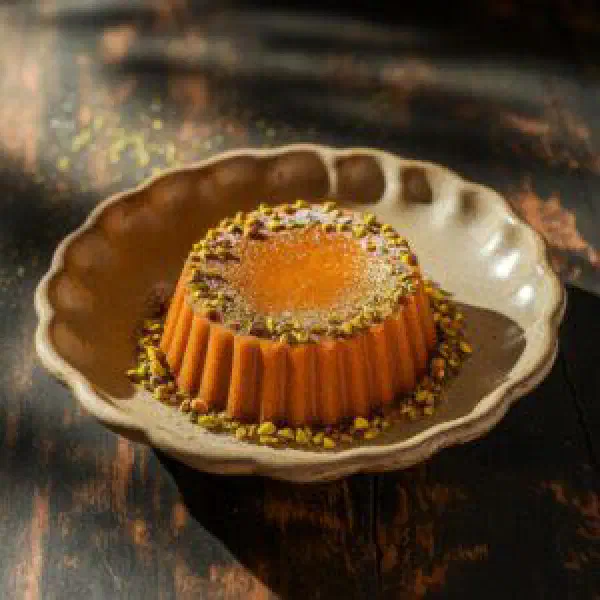
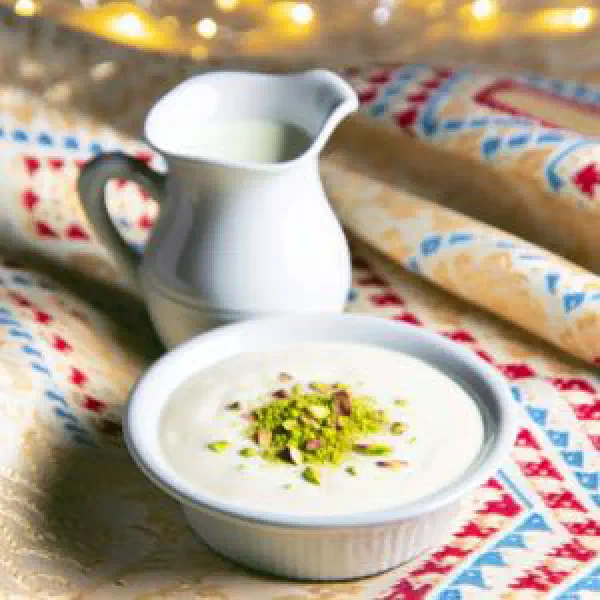
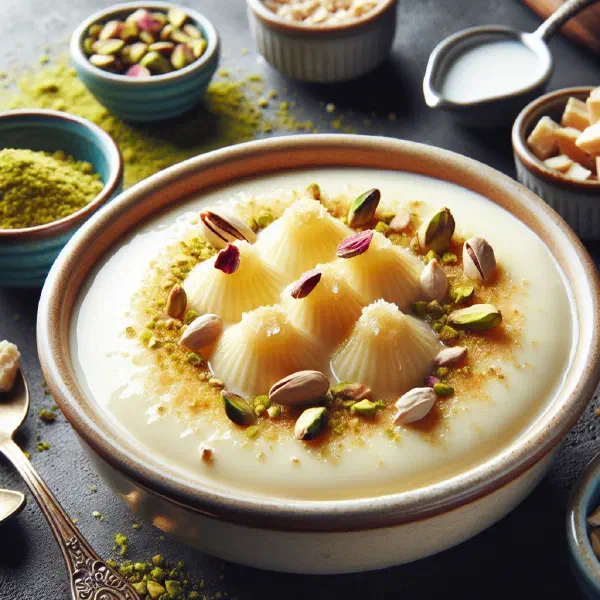
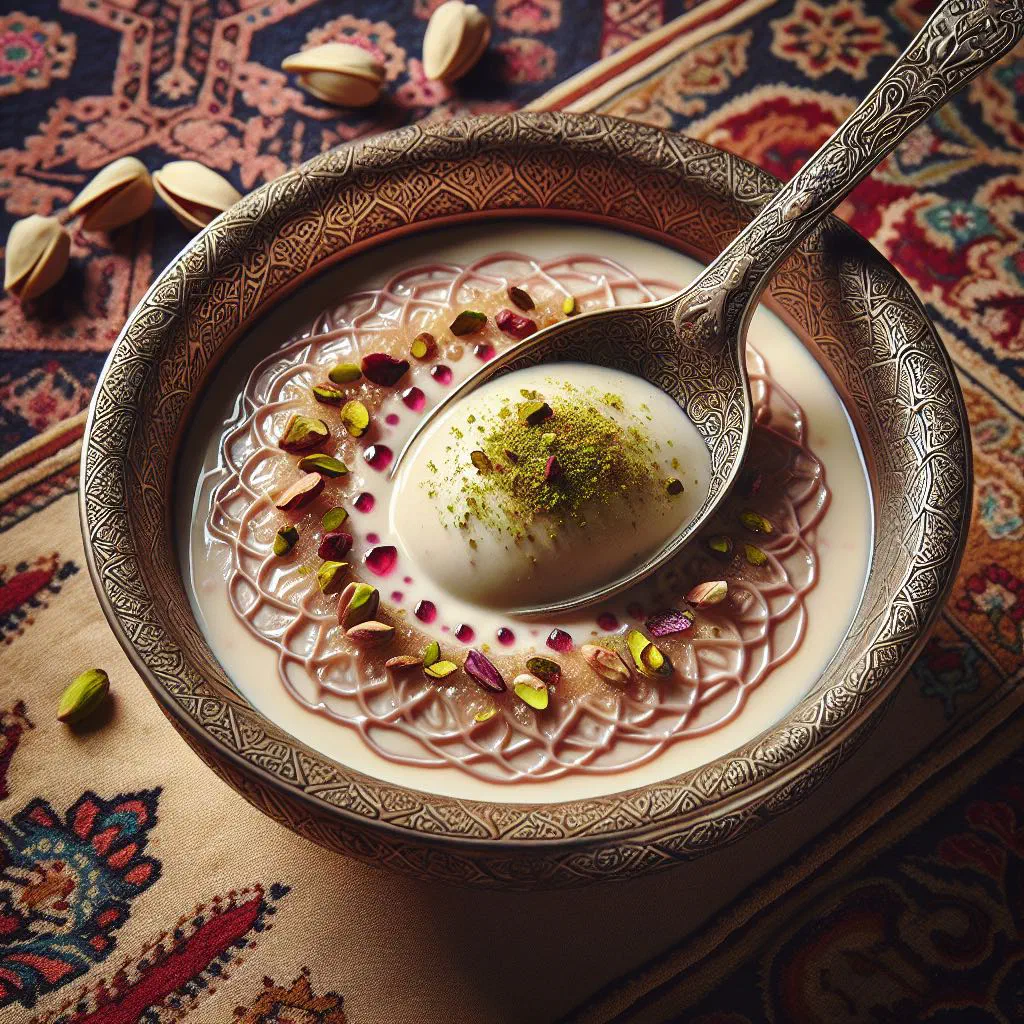
Discover Mahalabia, the silky milk pudding that crowns so many Kuwaiti tables. Delicately scented with rose water and scattered with chopped nuts, it is the kind of dessert that feels luxurious yet takes barely twenty minutes to make. Cool, fragrant and gently sweet, it rounds off a rich meal beautifully, and offers a lovely glimpse of the sweeter side of Kuwaiti hospitality.
About Mahalabia
Mahalabia is a traditional Kuwaiti dessert made from a simple but delicious combination of milk, sugar and starch. This fine milk pudding offers a wonderfully creamy texture and a delicate, distinctive flavour all of its own. Perfumed with rose water, mahalabia stands apart thanks to its aromatic notes and brings the very best of Arabic cooking to your table. Whether it closes a festive meal or is a sweet treat between times, it is versatile and much loved in households across the region.
Ingredients (serves 1–2)
- 500 ml milk
- 50 g sugar
- 40 g cornflour
- 2 tablespoons rose water
- Nuts or fresh fruit, to garnish
Shopping for the ingredients
The ingredients for mahalabia are easy to come by and available in most supermarkets or Middle Eastern grocery shops. Choose fresh milk to guarantee the best texture and flavour. Rose water is the key component and gives the dish its characteristic aroma, the same fragrant note that lifts a glass of Rose Water Lemonade. You can also pick different nuts or fruits to make your mahalabia your own and add a personal touch.
Preparing the dish
To make mahalabia you need only a few basic tools. A saucepan for the milk and a whisk are essential for keeping the mixture free of lumps. Make sure you have suitable bowls ready for the final stage so the dessert can cool properly. It is also worth washing and preparing the nuts or fruit thoroughly before you use them later as a garnish.
Step-by-step instructions
- Pour the milk into a saucepan and heat it gently.
- In a separate bowl, stir the cornflour into 2–3 tablespoons of cold milk to make a smooth paste.
- Once the milk is warm, add the sugar and stir until it has completely dissolved.
- Add the cornflour paste to the warm milk and stir continuously so nothing catches on the base.
- Cook the mixture until it thickens, then take it off the heat.
- Stir in the rose water and mix everything through well.
- Pour the mixture into small bowls and let it cool before transferring it to the fridge.
- Garnish with nuts or fresh fruit just before serving.
Gluten-free / lactose-free version
Mahalabia adapts easily to different dietary needs. For a gluten-free version simply use cornflour, which is naturally free from gluten. For a lactose-free variant, plant-based alternatives such as almond or soya milk stand in perfectly for the traditional dairy. Do check that the rose water and your chosen garnishes are also free from gluten and lactose.
Tips for vegans and vegetarians
Vegans can adapt mahalabia effortlessly by using plant-based milk and making sure the sugar contains no animal products. Almond or coconut milk keeps the dessert every bit as creamy as the original. Look out for vegan nuts and fruits for the garnish, which should appeal to the eye as much as to the palate. The result stays a genuine treat that suits every guest, whatever their diet.
More tips and tricks
One key tip when making mahalabia is to keep stirring constantly so the mixture never catches on the bottom of the pan. If you are keeping the dessert in the fridge, store it in a well-sealed bowl to preserve its freshness. Serve mahalabia thoroughly chilled, as this is when its texture and flavour are at their best. Experiment with other aromatics too, such as orange blossom water, to create new flavour experiences.
Adapting the recipe to your taste
Mahalabia is easy to tailor to personal preference. For a sweeter version add more sugar, or reach for alternative sweeteners such as honey or agave syrup. Instead of rose water you can use other essences to explore fresh flavour directions. The garnish is just as flexible.
Ingredient substitutions
If some ingredients for mahalabia are not to hand, there are plenty of alternatives. Potato starch works in place of cornflour and is stocked in most supermarkets. For a different aromatic profile, try vanilla extract instead of rose water. When it comes to the garnish, seasonal fruit at its freshest will give you the fullest flavour and welcome variety, much as it does on a plate of Umm Ali.
Drink pairing ideas
Mahalabia pairs particularly well with drinks that complement its sweetness. A mint tea or a refreshing pomegranate juice make ideal companions, balancing the richness of the pudding while adding a lively note. A small cup of Arabic Coffee is the classic choice at the end of a meal. Fruity cocktails or a simple lemonade are worth experimenting with too.
Serving and presentation ideas
Presentation can lift the whole mahalabia experience considerably. Use small decorative bowls or glasses to serve the dessert. Garnish with nuts and fruit and with edible flowers or a dusting of cinnamon to please the eye. An attractive plate or a stylish arrangement of fruit adds to the overall impression and turns the dessert into a highlight on any table.
A bit of history
Mahalabia has a long tradition and is beloved across much of the Arab world. It is thought to trace back to ancient cookery, when milk and sugar were regarded as precious commodities. In Kuwaiti culture mahalabia is more than a dessert: it stands for hospitality and celebration, much like a shared platter of Kuwaiti cuisine classics. The dish has evolved over the centuries and remains a firm fixture of the country’s food culture.
More recipe ideas
Summary: Mahalabia
Mahalabia is a delicious Kuwaiti dessert that wins people over with its creamy texture and the play of rose water aromas. Its straightforward preparation and its openness to adaptation make it a versatile dish for any occasion. You can reach for a wide range of ingredients to discover new flavours and tune the pudding to your own preferences. Enjoy this traditional recipe and let the sweet side of Arabic cooking win you over.