National Dish Kuwait: Mehshi Warak Enab (Recipe)
In this article
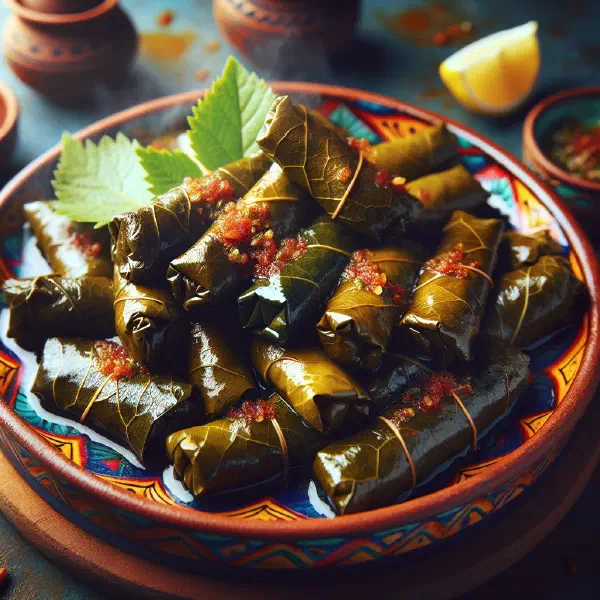
Few dishes say welcome in Kuwait quite like Mehshi Warak Enab, tender vine leaves rolled around a fragrant filling of rice, meat and fresh herbs. Slowly simmered in lemony broth, each little parcel delivers a burst of warm spice and bright citrus in a single bite. It is a dish made for sharing: piled high on a platter at family gatherings, at feast days, or simply on a lazy afternoon when there is time to roll and talk. This guide takes you through the whole process, from soaking the leaves to the final squeeze of lemon.
About Mehshi Warak Enab
Mehshi Warak Enab, better known in English as stuffed vine leaves, is one of the true highlights of Kuwaiti cooking. The leaves are filled with a carefully balanced mixture of rice, minced meat and fresh herbs, each element playing off the others. The dish carries a long tradition and is often served at festive occasions or as part of a relaxed family meal. That combination of delicate aromas and the soft, yielding texture of the vine leaves makes Mehshi Warak Enab a memorable eating experience.
Ingredients (serves 1–2)
- 8–10 vine leaves
- 100 g minced beef or lamb
- 50 g rice (preferably long-grain)
- 1 small onion, finely chopped
- 1 teaspoon paprika
- 1 teaspoon ground cumin
- Fresh parsley, chopped
- 1 lemon (juice and zest)
- Salt and pepper to taste
- Olive oil for cooking
Shopping for the ingredients
When shopping for the ingredients for Mehshi Warak Enab, it pays to pick fresh, good-quality produce. Vine leaves are often stocked by Middle Eastern and Asian grocers, and they are easy to order online as well. Look for leaves preserved in brine, as this keeps their characteristic flavour intact. The remaining ingredients, particularly the meat and the rice, should be as fresh as possible to guarantee the best aroma and a pleasant texture.
Preparing the dish
Preparing Mehshi Warak Enab involves a handful of steps that together bring out the very best in this dish. Begin by soaking the vine leaves in hot water to make them supple and easy to roll. At the same time, soak the rice in water so that it cooks evenly later on. The onion can be softened in olive oil first to deepen its aroma before it is stirred through the rest of the filling.
Step-by-step instructions
- Soak the vine leaves in warm water until soft.
- In a bowl, combine the minced meat, the soaked rice, the onion, the chopped parsley and the spices.
- Lay a vine leaf flat, place a little filling in the centre and fold the edges over the filling before rolling it up.
- Layer the stuffed leaves in a pan, one on top of the other, and weigh them down lightly.
- Cover with water and lemon juice and cook over medium heat for 30–40 minutes.
- Take the pan off the heat and let the parcels rest for a few minutes before serving.
Gluten-free / lactose-free version
Mehshi Warak Enab is naturally gluten-free and lactose-free, provided you use plain rice and skip any additional sauces that might contain gluten. That makes it a particularly good choice for anyone with allergies or intolerances. Do check that everything else you use, spices and oils included, is free from gluten too, so the purity of the dish is never in doubt.
Tips for vegans and vegetarians
There is a very simple way to adapt Mehshi Warak Enab for vegans and vegetarians. In place of the minced meat, use a mixture of finely chopped vegetables, pulses or even tofu to keep the filling rich and nourishing. These alternatives bring plenty of their own flavour and texture while staying true to the spirit of the traditional dish. Be generous with the spices to make up for the missing meat, the same trick that lifts a plate of Falafel.
More tips and tricks
A few small tricks can transform your results. Soak the vine leaves until they reach exactly the right pliability before you start filling them, too firm and they tear, too soft and they fall apart. Adding stock or aromatic water to the cooking liquid gives the parcels far more depth of flavour. A whole lemon dropped into the pan while everything simmers intensifies the scent and the citrus notes. Above all, handle the rolls gently so the delicate leaves stay intact.
Adapting the recipe to your taste
The recipe for Mehshi Warak Enab takes happily to personal tweaks. Try different spices or herbs to shift the character of the filling in whichever direction you fancy. The ratio of rice to meat can be adjusted too, depending on whether you want something richer or lighter.
Ingredient substitutions
Sometimes a swap is unavoidable. The meat in Mehshi Warak Enab can be replaced with vegetables, mushrooms or even quinoa to bring out quite different flavours. The rice, meanwhile, can give way to cauliflower rice or millet for another gluten-free angle. Substitutions like these keep the recipe flexible, much as they do with a stuffed courgette dish such as Kousa Mahshi, and mean everyone can enjoy the dish in their own way.
Drink pairing ideas
A dish as good as this deserves the right drink alongside it. A traditional Arabic tea or a pot of mint tea harmonises beautifully with the flavours of the stuffed leaves, and a cup of Arabic Coffee rounds off the meal in classic style. If you would like something alcoholic, a light white wine supports the flavour combination well. A refreshing pomegranate juice also makes a fruity companion that underlines the filling.
Serving and presentation ideas
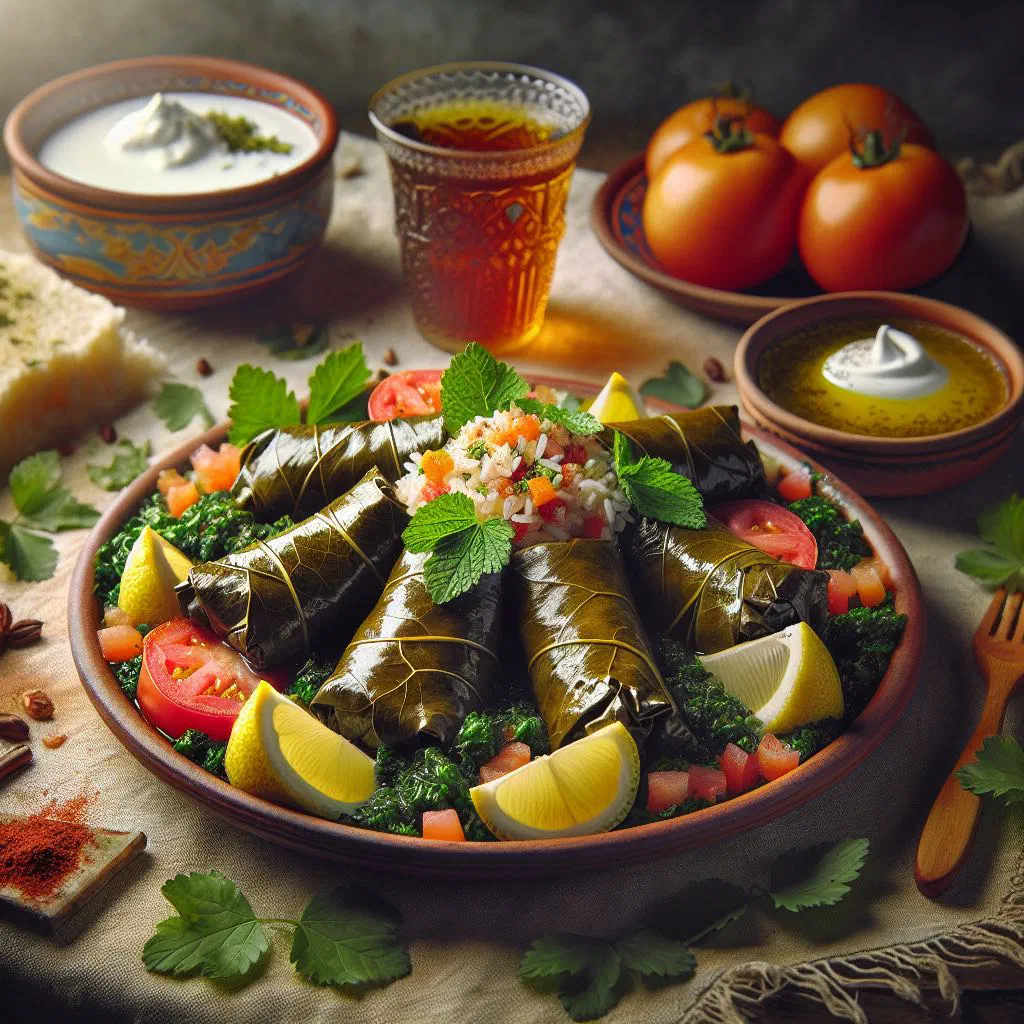
The way Mehshi Warak Enab is presented matters just as much as the taste. Serve the stuffed leaves on a handsome platter, garnished with fresh herbs or set beside a bowl of yoghurt. Squeezing lemon over the parcels just before they reach the table lifts everything with a fresh, bright aroma. Laying the table with traditional Arabic touches, and a sharp salad such as Fattoush, completes the picture and never fails to impress guests.
A bit of history
Mehshi Warak Enab has its origins not only in Kuwait but across many cultures of the Middle East. The practice of stuffing vine leaves reaches back to antiquity and has evolved over many centuries, with each region developing its own variations. The dish is often prepared for special occasions and is widely regarded as a symbol of hospitality, made with pride in households throughout the Arab world and a cornerstone of Kuwaiti cuisine.
More recipe ideas
Summary: Mehshi Warak Enab
All in all, Mehshi Warak Enab is a fascinating and deeply flavourful dish that reflects the aromas and traditions of Kuwait. The stuffed vine leaves are an excellent choice for all kinds of occasions and adapt readily to personal preference. With a combination of fresh ingredients and the right spices, it is a dish that appeals to locals and visitors alike. Give it a go and let the cooking of Kuwait work its magic on you.