National Dish Kuwait: Muhallabia (Recipe)
In this article
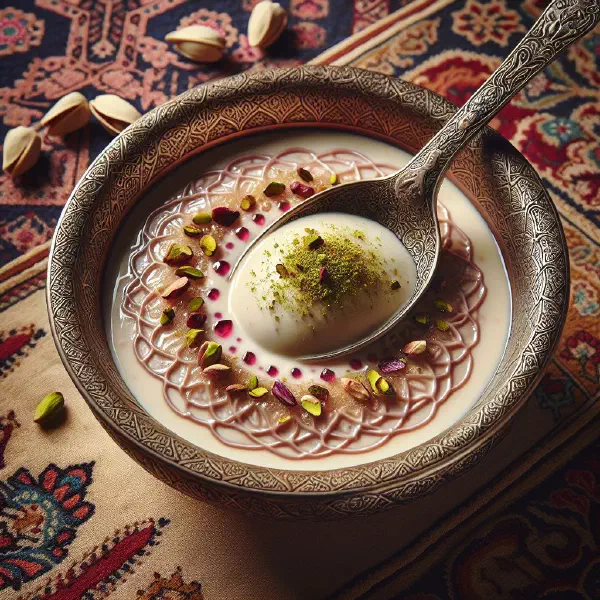
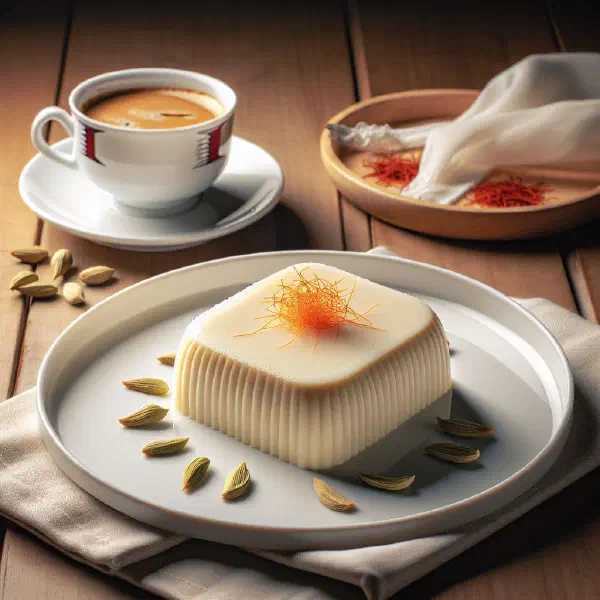
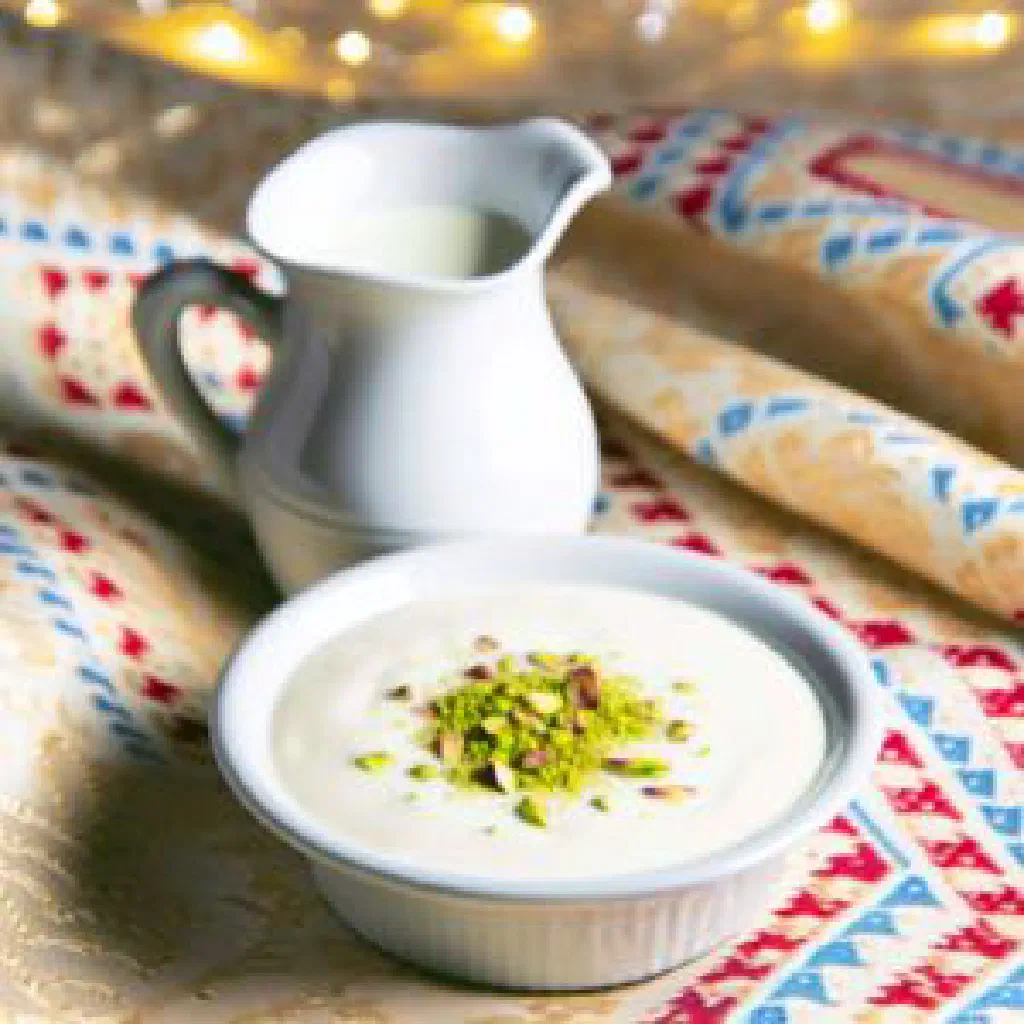
Silky, fragrant and quietly luxurious, Muhallabia is the milk pudding that has been rounding off Kuwaiti meals for centuries. Delicate rose water and warm cardamom perfume a set custard so smooth it barely needs a spoon, and a scattering of chopped nuts or fresh fruit turns each little glass into something worth photographing. It is equally at home as an afternoon treat with coffee or as the elegant final act of a festive dinner.
About Muhallabia
Muhallabia is a traditional, creamy pudding dessert that is especially popular in Kuwait and across the wider Middle East. With its fine aromas of milk, rose water and cardamom, it delivers a flavour experience that is both alluring and soothing. It is often garnished with a variety of delicious nuts or fresh fruit, which improves not only the taste but the presentation too. The dessert works beautifully as an afternoon snack or as the crowning finish to a celebratory meal.
Ingredients (serves 1–2)
- 500 ml milk
- 60 g sugar
- 40 g cornflour
- 1 teaspoon rose water
- ½ teaspoon ground cardamom
- A pinch of salt
- Chopped nuts or fresh fruit, to garnish
Shopping for the ingredients
The ingredients for muhallabia are easy to find in most supermarkets or in Arabic grocery shops. Milk and sugar are everyday items already sitting in almost every kitchen. Cardamom and rose water can be a little harder to track down, but they are usually stocked in the international aisle or by a good spice merchant. Choose fresh fruit or good-quality nuts to round the dessert off and make the most of its nutrients.
Preparing the dish
Preparing muhallabia is straightforward and generally takes less than 30 minutes. Start by setting out all your ingredients so the cooking runs smoothly from beginning to end. It is important to dissolve the cornflour in a little cold water first, as this stops lumps forming once you heat the mixture. After cooking, the dessert should rest in the fridge for at least a couple of hours so it reaches the right consistency.
Step-by-step instructions
- Heat the milk in a pan together with the sugar, cardamom and a pinch of salt, but do not let it come to the boil.
- In a small bowl, whisk the cornflour with 50 ml of cold water until it is fully dissolved.
- Slowly stir the dissolved cornflour into the warm milk mixture.
- Heat the mixture, stirring constantly, until it thickens (about 5–10 minutes).
- Take the pan off the heat, add the rose water and stir thoroughly.
- Pour the mixture into dessert glasses and leave to cool.
- Chill in the fridge for at least 2 hours before serving. Garnish with chopped nuts or fresh fruit.
Gluten-free / lactose-free version
Muhallabia is effortlessly gluten-free and lactose-free. For a gluten-free version, simply use cornflour exactly as the original recipe does. For a lactose-free result, swap the milk for a plant-based alternative such as almond milk or coconut milk. These alternatives keep the creamy character of the dessert while offering interesting new flavour notes. Make sure the plant milk you choose is unsweetened, so the sugar content stays low.
Tips for vegans and vegetarians
For a vegan version of muhallabia you need to replace the animal products with plant-based alternatives. Instead of dairy milk, use soya, almond or oat milk, all of which give a similar consistency. The remaining ingredients are usually vegan anyway, so you can follow the recipe as written. Finish with dried or fresh fruit for extra nutrients and a bit of variety in flavour.
More tips and tricks
A few simple tricks will take your muhallabia to the next level. Play with the texture by adjusting the amount of cornflour, depending on whether you want a firmer or a creamier pudding. Experiment with the garnish too: rather than sticking to nuts or fruit, try a dusting of cardamom powder or a hint of cinnamon for extra aroma. A layer of caramel sauce added before chilling gives the dessert a special touch and makes it even more moreish, the same trick that works so well with Basbousa.
Adapting the recipe to your taste
The flexibility of the muhallabia recipe allows for endless tweaks. If you like experimenting with flavours, add vanilla extract or a squeeze of lime juice to create your own variations. For a less sweet result, simply reduce the sugar. And if you are not keen on nuts, swap them for other toppings such as chopped dates or chocolate chips to open up a completely new perspective.
Ingredient substitutions
When making muhallabia you may need to substitute the odd ingredient. Instead of rose water, use orange blossom water, which lends the dessert a fresh, floral note. If nuts are off the menu because of allergies, pumpkin seeds or sunflower seeds make a fine garnish. Reach for plant-based alternatives to the milk if avoiding anything of animal origin matters for your diet.
Drink pairing ideas
Muhallabia goes wonderfully with a range of drinks that round off the whole experience. A mint tea or a lightly sweetened Arabic Coffee makes a lovely companion and adds complexity to the dessert’s aromas. For something more refreshing, a pomegranate or hibiscus iced tea is an excellent choice, as is a glass of chilled Jallab. If you are planning a full menu, sparkling water with lemon will keep the palate lively between courses.
Serving and presentation ideas
An attractive presentation makes muhallabia even harder to resist. Use clear dessert glasses so the creaminess and the layers of garnish are on show. Decorate the tops with fresh mint leaves or edible flowers for a festive look. Finally, set out small bowls of the various toppings so every guest can finish their own portion exactly as they like it.
A bit of history
The roots of muhallabia reach deep into the history of Arabic cooking. Originally developed in the classical Persian and Arab kitchens, the dessert has spawned countless variations over the centuries. It was a favourite treat in the days of the caliphates, a symbol of elegance and wealth. Today it still reflects the traditional flavours found right across the Middle East, and it remains a much-loved sweet at festive occasions and celebrations throughout Kuwaiti cuisine.
More recipe ideas
Summary: Muhallabia
Muhallabia is far more than a dessert; it is a piece of culture in every spoonful. Thanks to its simple ingredients and the many ways it can be adapted, it is perfect for any celebration or as a sweet everyday treat. Both its creamy texture and the aromatic note of rose water and cardamom make it a hit with young and old alike. Dive into the delicious world of Kuwaiti desserts and let muhallabia work its magic on you.