National Dish Kuwait: Ragag (Recipe)

In this article
Meet Ragag, the paper-thin flatbread that Kuwaitis have been griddling over open heat for generations. Nothing more than flour, water and salt goes into the dough, yet the result is remarkable: a supple, blistered bread with a gentle smoky edge, ready to be rolled around anything from spiced meat to fresh vegetables. It is humble cooking at its very best, and it takes barely more than half an hour from bowl to table.
About Ragag
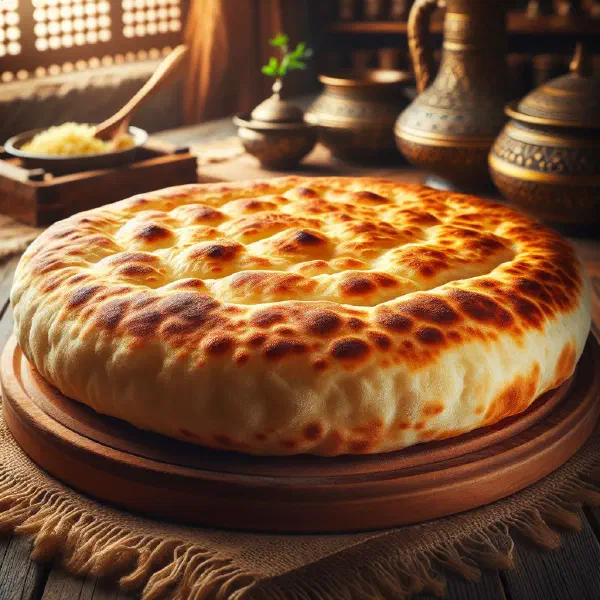
Ragag is a traditional national dish of Kuwait, cherished far beyond the country’s borders. It is a simple yet deeply flavourful flatbread made from a fine mixture of water and flour. Cooked on a hot griddle, the bread takes on its ideal texture along with a subtly smoky character. Ragag is often served with fresh vegetables, spiced meat or any number of other fillings, which makes it an endlessly versatile dish for everyday meals and gatherings alike.
Ingredients (serves 1–2)
- 250 g wheat flour
- 150 ml water
- 1 teaspoon salt
- Oil, for greasing the griddle
- Fillings of your choice (vegetables, meat and so on)
Shopping for the ingredients
When shopping for ragag, pay attention to the quality of the flour, as it determines the consistency of the finished bread. It is worth choosing fresh, regional produce, particularly for the accompaniments such as vegetables or meat. Many Asian and Middle Eastern grocers carry good flatbread flour, and the fillings leave plenty of room for creativity to suit your own preferences.
Preparing the dish
To prepare ragag, have everything to hand and set your kitchen up before you begin. Start by combining the flour and the salt in a bowl, then add the water a little at a time. Mix thoroughly until you have a smooth dough that is only slightly sticky. Leave the dough to rest for around 30 minutes so the gluten structure can develop.
Step-by-step instructions
- Knead the dough well on a floured work surface.
- Preheat the griddle and grease it lightly with oil.
- Take a portion of the dough and roll it out thinly.
- Lay the rolled dough on the hot griddle and cook for a few minutes, until bubbles appear on the surface.
- Turn the ragag over and cook the other side until golden brown.
- Top with your chosen fillings and serve warm.
Gluten-free / lactose-free version
For a gluten-free ragag, use a gluten-free flour such as rice flour or chickpea flour. Choose a blend that binds well so the result comes close to what wheat flour gives you. The fillings are easy to keep lactose-free too: simply reach for plant-based alternatives to cheese or cream, in much the same way you might lighten a rich Kibbeh Bil Laban. That way anyone with particular dietary needs can enjoy the flavours of Kuwait.
Tips for vegans and vegetarians
Vegan and vegetarian fillings for ragag are wonderfully varied and benefit from local ingredients. Try a mixture of grilled vegetables, chickpeas and spices for something nourishing and full of flavour. Avocado or Hummus also make excellent fillings. These options deliver taste and valuable nutrients and protein for a balanced meal.
More tips and tricks
To make ragag easier to get right, make sure the griddle is evenly hot so the bread cooks in good time. A griddle that is too cool will stop the bread puffing properly and rob it of its characteristic texture. When rolling out the dough, aim for an even, thin sheet so it cooks through cleanly. Finally, let your imagination run: different spices and herbs give you a flavour profile all your own.
Adapting the recipe to your taste
The beauty of ragag lies in its versatility, the ingredients and fillings bend to whatever you fancy. Work chilli or pepper into the filling if you like more heat, or go the other way entirely with a sweet version built on honey and nuts. Borrow fillings from other cuisines to discover new combinations. The dish adjusts effortlessly to personal taste and dietary needs.
Ingredient substitutions
If you are missing an ingredient for ragag, there is usually an easy alternative close at hand. Cornmeal or a gluten-free blend can stand in for wheat flour. Frozen vegetables work perfectly well in the filling when fresh produce is not available. Instead of oil, you might use another fat such as ghee or vegan margarine.
Drink pairing ideas
Plenty of drinks round out the ragag experience. Laban, the traditional Gulf yoghurt drink, harmonises beautifully with the bread’s gentle flavours, see our Laban recipe. Mint tea is another refreshing choice that suits warm flatbread well. For something fruitier, a chilled Rose Water Lemonade or a simple fruit juice will lift the whole meal.
Serving and presentation ideas
Presentation can improve the ragag experience considerably. Serve the flatbread on a rustic wooden board and garnish it with fresh herbs and a selection of dips such as hummus or tahini. A colourful platter of vegetables alongside makes the spread far more inviting to look at. Good presentation builds anticipation and turns an ordinary meal into an occasion.
A bit of history
Ragag has deep roots in Kuwait’s history, where it has been made for centuries. The technique has passed from one generation to the next, and the bread is regarded as a staple in countless households. The simplicity of the ingredients made it a nourishing option born in times of scarcity, when resources were limited. Today it is a fixture of Kuwaiti cuisine, served at celebrations and family gatherings alike.
More recipe ideas
Summary: Ragag
In short, ragag is far more than a simple flatbread. It is an expression of Kuwaiti culture and tradition. With its range of fillings and its willingness to be adapted to personal taste, it gives everyone a chance to enjoy the flavours of Kuwait. Preparation is straightforward, and with the right ingredients it becomes a genuine treat. Discover what ragag has to offer and bring a piece of that culture into your own kitchen.