National Dish Kuwait: Saffron Rice (Recipe)
In this article
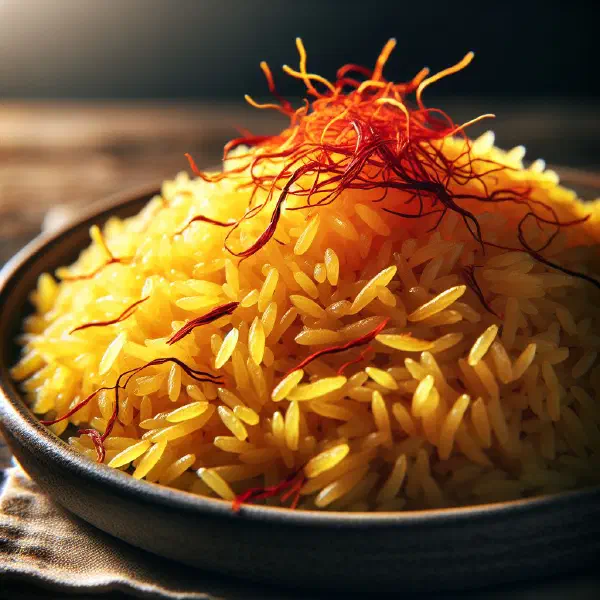
Meet Saffron Rice, the glowing centrepiece of many a Kuwaiti table. Long-grain basmati is steamed until every grain stands apart, then infused with threads of the world’s most precious spice until it turns a deep, luminous gold. The flavour is delicate, faintly sweet, subtly floral, and the effect is pure occasion. In Kuwait this is the rice you cook when guests are coming, and it is far easier to make at home than its regal looks suggest.
About Saffron Rice
Saffron Rice is not only a symbol of Kuwaiti cooking but a striking example of how tradition and flavour come together on one plate. The dish pairs aromatic basmati rice with the costly spice saffron, which lends it that characteristic golden colour. Cooking with saffron has a long history and the spice is prized for its unique, gently sweet taste. In Kuwait you will find this rice at celebrations and festive gatherings, which only adds to its appeal.
Ingredients (serves 1–2)
- 1 cup basmati rice
- 2 cups water
- 1/4 teaspoon saffron threads
- 2 tablespoons butter or oil
- Salt to taste
- Optional: nuts or dried fruit, to garnish
Shopping for the ingredients
When shopping for saffron rice it pays to insist on good-quality ingredients. Basmati rice is stocked by most supermarkets, but do look for a variety that is fragrant and properly long-grained. Buy the saffron as fresh as you can and in small quantities. It is expensive and loses its aroma surprisingly quickly. The butter or oil should be good quality too, so that the full flavour of the rice comes through.
Preparing the dish
Preparing saffron rice takes a little time and care, but the result is first-class. Begin by washing the basmati rice under cold water to rinse away the excess starch, which is what helps the grains turn out fluffy. While you work, bring the water to the boil and leave the saffron to steep in a little warm water so it releases its aroma. Careful preparation is the key to getting this dish right.
Step-by-step instructions
- Bring the water to the boil in a saucepan.
- Add the rice and let it cook for 2–3 minutes.
- Stir the saffron into the boiling water and mix thoroughly.
- Cover the pan, reduce the heat and leave to simmer gently for about 15 minutes.
- Take the pan off the heat and let it rest for 5 minutes before fluffing the rice carefully with a fork.
- Optional: garnish with nuts or dried fruit and serve.
Gluten-free / lactose-free version
Saffron rice is naturally gluten-free and lactose-free, since the main ingredients are rice, water and spices. Do check that the oil or butter you use contains no additives that might bring gluten or lactose in through the back door. If you reach for margarine as a substitute, choose a product that is clearly labelled. That makes the dish accessible to a wide range of dietary needs.
Tips for vegans and vegetarians
For vegans, using vegetable oil instead of butter is an excellent way to keep the dish entirely plant-based. The recipe also takes well to added vegetables such as peas or carrots, which bring nutrients and colour to the bowl. Consider scattering over toasted nuts or seeds for extra texture. Saffron rice is a versatile base that adapts easily to personal preference, much as the vegetable-rich Maqluba does.
More tips and tricks
To draw the fullest flavour out of saffron rice, soak the saffron threads in warm water a few hours ahead so the aroma intensifies. Wash the rice thoroughly before cooking to remove the surplus starch. And fluff the cooked rice with a fork rather than a spoon so the grains stay separate instead of turning mushy. Small details like these are the difference between a good dish and a great one.
Adapting the recipe to your taste
Saffron rice leaves plenty of room for creativity. Add spices such as cumin or cardamom to give the dish a new accent, or cook the rice in an aromatic stock instead of plain water to deepen the flavour further. The same trick underpins heartier rice classics like Al Majboos. Adapting the recipe to your own taste turns every batch into a fresh journey of flavour.
Ingredient substitutions
If you have no basmati to hand, jasmine rice makes an acceptable stand-in, though the aroma will be a little different. With the fats you can choose freely between oils such as olive or coconut. And for the garnish, freshly chopped herbs like parsley or coriander work just as well as nuts, adding a note of freshness, the same lift you find in Mashkhool Rice. Alternatives like these let you tailor the recipe to any palate.
Drink pairing ideas
Plenty of drinks round out the experience of saffron rice. A fresh mint tea or a chilled Laban makes a refreshing companion, while a light white wine such as a Sauvignon Blanc harmonises nicely. Spiced fruit juices, a mango juice, for instance, are an interesting choice that pleasantly enlivens the palate, and a small cup of Arabic Coffee is the traditional way to close the meal. The right drink can support the flavours of the dish beautifully.
Serving and presentation ideas
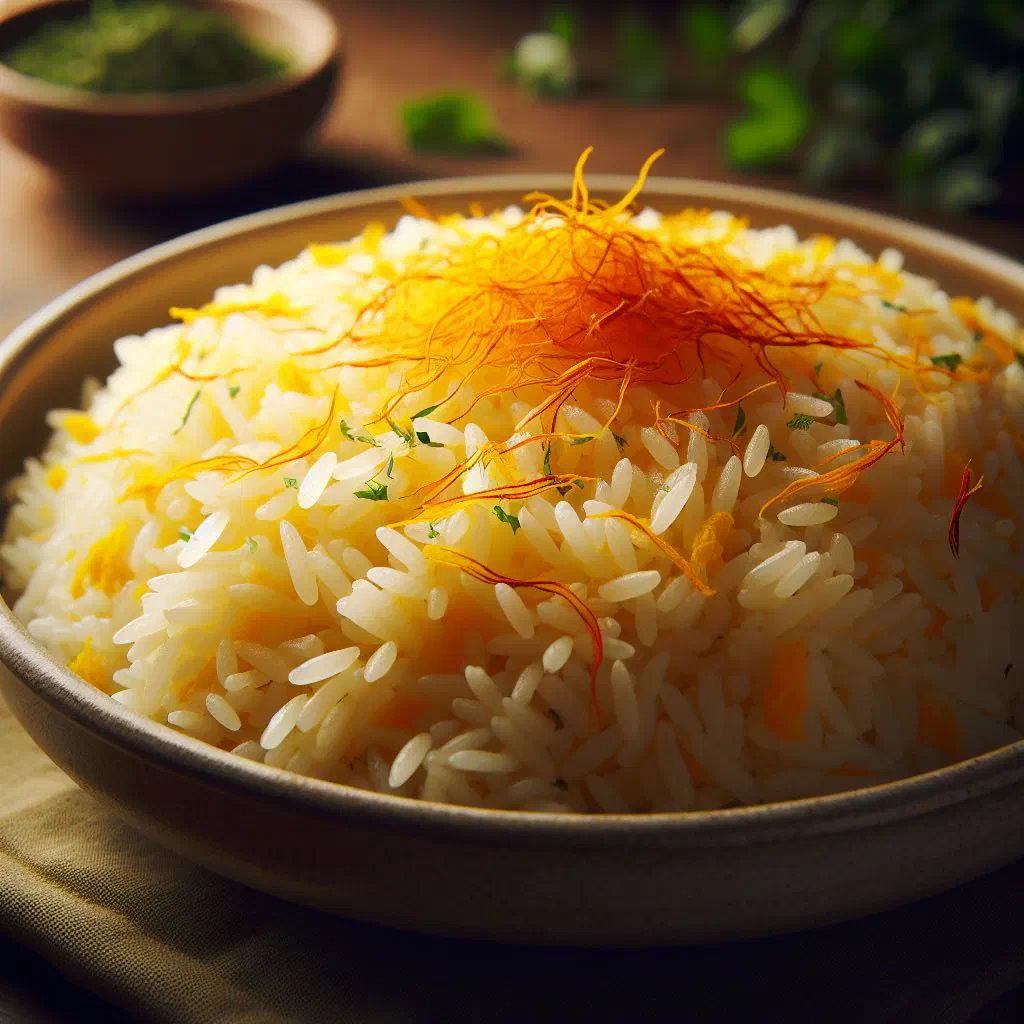
Presentation matters with saffron rice. Use a large, shallow bowl to give the brilliant golden grains room to breathe. Garnish with toasted nuts or fresh herbs to add colour and texture. You might also shape the rice with a small spoon or a serving mould to please the eye. Just make sure any sides or accompaniments look as good together as they taste.
A bit of history
The use of saffron can be traced back to the ancient civilisations that valued the spice for its healing properties as much as its flavour. Across the Middle East, saffron rice became a festive dish tied to special occasions. Kuwait is deeply rooted in the traditions of cooking with saffron, and countless recipes make use of this noble spice. That history gives every saffron dish a particular significance and secures its place in Kuwaiti cuisine.
More recipe ideas
Summary: Saffron Rice
In short, saffron rice is a culinary highlight of Kuwaiti cooking, captivating with its golden colour and unmistakable aroma. With well-chosen ingredients and a little patience, this dish becomes a genuine pleasure, whether as a side or as a main. Refine the recipe to suit yourself and experiment with accompaniments and presentation. Dive into the traditions and aromas of Kuwait and bring a piece of that rich culture into your own kitchen.