National Dish Kuwait: Thareed (Recipe)
In this article
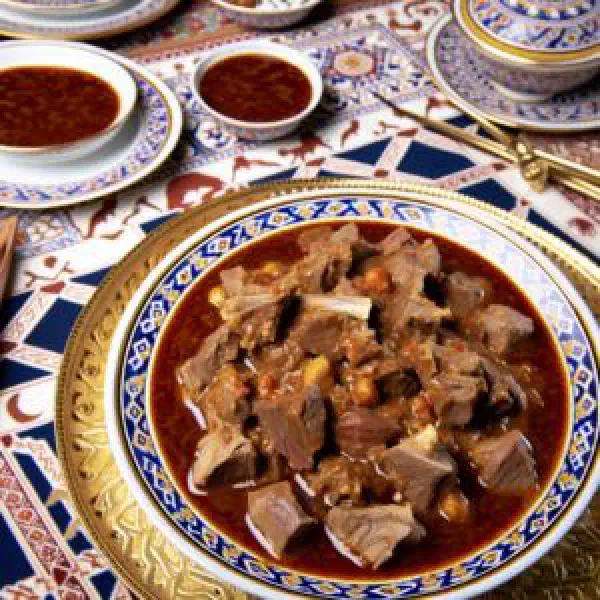
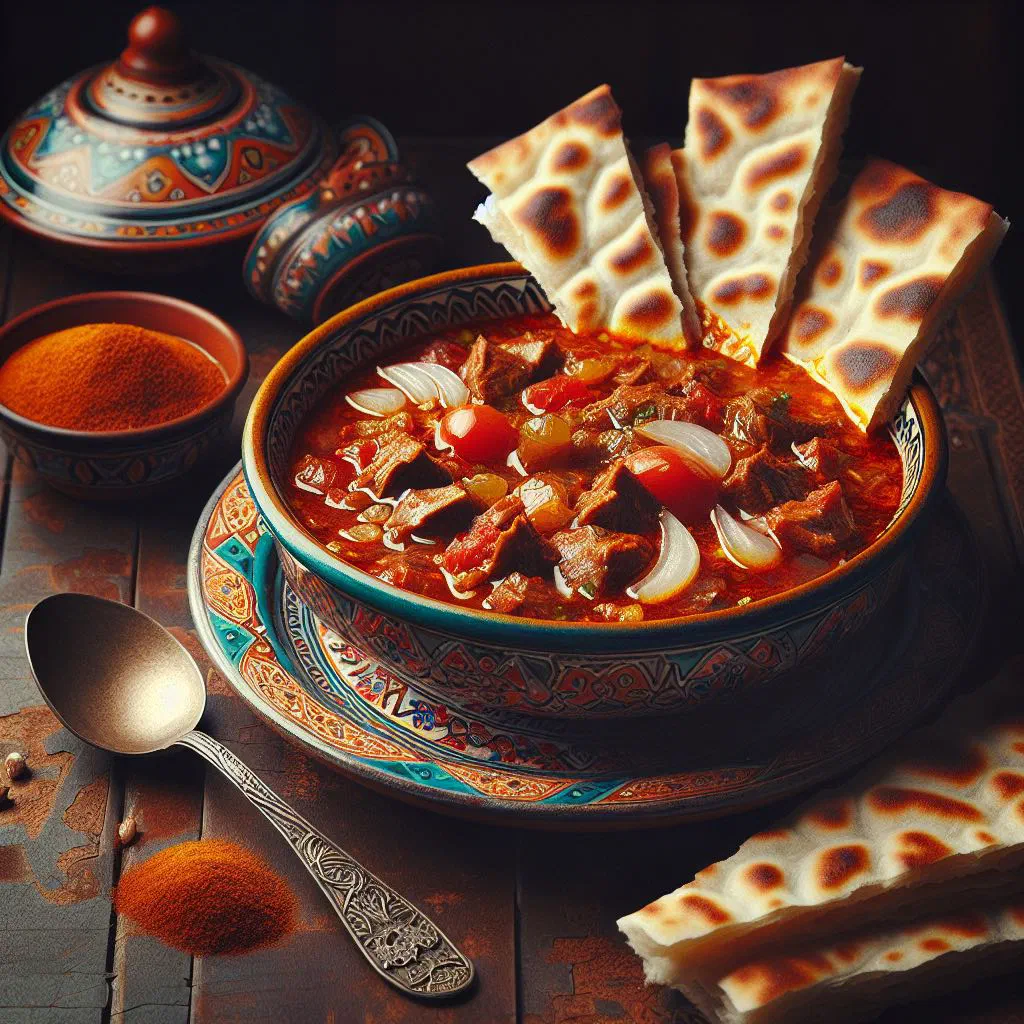
Discover Thareed, the national dish of Kuwait. Tender meat, fresh vegetables and pieces of flatbread come together in a deeply savoury, spice-laden broth that soaks into every bite. It is the sort of generous, unhurried food made for family gatherings and long evenings with friends, a dish that fills the table as readily as it fills the room with warmth.
About Thareed
Thareed is a traditional dish from Kuwait, celebrated for its hearty broth and the pairing of tender meat, fresh vegetables and spiced bread. It is often served at family celebrations or sociable occasions, because it brings delicious flavours to the table and a genuine sense of community. The broth is rich in spices that lift the taste of the meat and draw all the other ingredients into harmony. This is a real feast of a dish, and a fine example of Arabic cookery.
Ingredients (serves 1–2)
- 200 g lamb (or chicken)
- 1 onion, chopped
- 2 carrots, sliced
- 1 potato, diced
- 3 garlic cloves, chopped
- 1 teaspoon cumin
- 1 teaspoon turmeric
- 1/2 teaspoon cinnamon
- 500 ml stock
- 2–3 pieces of flatbread
- Fresh coriander leaves, to garnish
Shopping for the ingredients
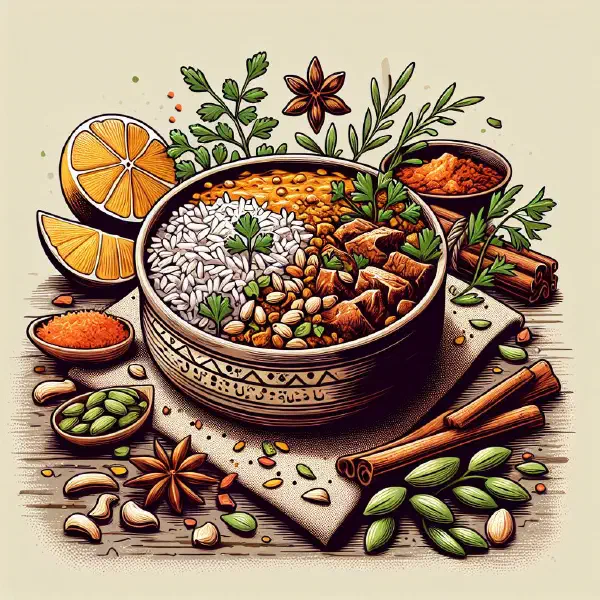
For thareed, it is worth seeking out fresh produce to get the best out of the flavours. Lamb is the traditional choice, though chicken works equally well and gives a lighter version of the dish. Visit a well-stocked market or an Arabic grocery to find the particular spices and fresh herbs that make it distinctive. Many of the ingredients, such as onions and potatoes, are easy to come by anywhere, while spices like cumin and turmeric form the flavour base, a foundation shared with dishes such as Machboos Laham.
Preparing the dish
Preparation for thareed begins with slicing the vegetables and measuring out the spices, so that everything is ready before the cooking starts. Chopping the onions and garlic well is essential, as they build the aromatic foundation of the dish. The meat should be cut into even pieces so it cooks through at the same rate. Assembling all the ingredients in advance makes the process far smoother and ensures nothing gets forgotten along the way.
Step-by-step instructions
- Heat a little oil in a large pan and add the chopped onion and garlic, cooking until translucent.
- Add the meat and brown it well on all sides.
- Add the carrots and potatoes and fry briefly with the meat.
- Scatter in the spices — cumin, turmeric and cinnamon — and stir to combine.
- Pour in the stock and leave everything to simmer gently for around 30 minutes.
- Tear the flatbread into medium-sized pieces and add it to the broth after 20 minutes of cooking.
- Serve garnished with fresh coriander.
Gluten-free / lactose-free version
To make thareed gluten-free, swap the traditional flatbread for a gluten-free loaf or another suitable accompaniment. Plenty of alternative breads are available and taste every bit as good. For a lactose-free version, simply check that all the ingredients, including the stock, are free from dairy. Either way the full-bodied flavour of the dish stays intact, without any worry about gluten or lactose.
Tips for vegans and vegetarians
Vegans and vegetarians can adapt thareed easily by replacing the meat with vegetables or pulses. A combination of chickpeas, aubergine and courgette makes a flavourful alternative. Use a vegetable stock to keep the broth rich and close to the traditional taste. You can also swap the flatbread for a vegan loaf made entirely from plant-based ingredients, much as you would with the chickpeas that go into Hummus.
More tips and tricks
To deepen the flavour of thareed, marinate the meat in the spiced broth overnight. This lets the spices work their way right into the meat and produces an even richer result. Another good trick is to add dried fruit such as apricots or dates, which lend an intriguing sweetness to the broth. Experiment with different vegetables too, to give the dish a personal signature.
Adapting the recipe to your taste
Variations on thareed are easy to bring off, depending on what you like. Play around with your choice of vegetables and reach for seasonal produce that happens to be at its best. If you prefer a bit more heat, add a few green chillies to give the dish some bite. Adjustments like these not only make your thareed unique, they also let it reflect your own tastes.
Ingredient substitutions
If a particular ingredient is not to hand, there are usually plenty of alternatives to fall back on. In place of lamb you might use beef or chicken, while sweet potatoes make a tasty stand-in for ordinary potatoes. With the spices you can experiment freely and try herbs such as thyme or oregano to create new flavours. Through it all, the essence of thareed remains, and if you want the bread element on the side instead, a warm Khubz does the job nicely.
Drink pairing ideas
A wide range of drinks suits a good thareed. Traditionally it is served with a glass of Laban, the yoghurt drink that balances the spices of the dish perfectly. Fresh mint tea or plain water with lemon are excellent companions too. If you prefer something sweeter, a raisin or date syrup adds a complementary note while still refreshing the palate.
Serving and presentation ideas
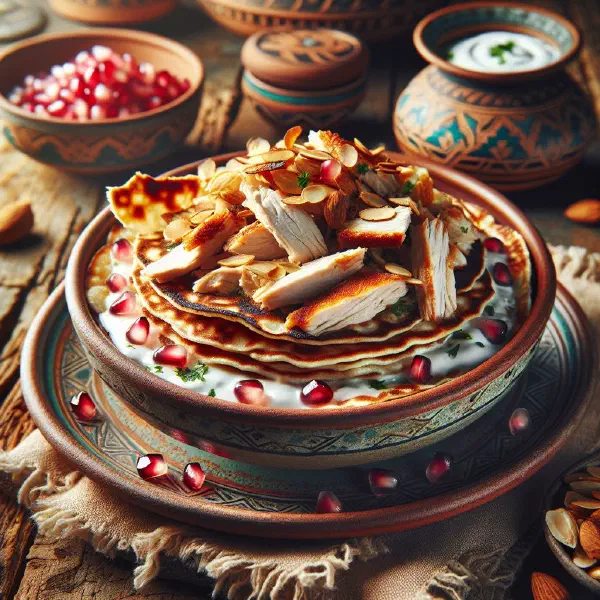
Presentation can add a great deal to thareed. Serve it in a large, decorative bowl that shows off the colourful ingredients. Garnish generously with fresh coriander leaves and crisp bread for an appetising look. You might also set out small dishes of extra spices or sauces so your guests can help themselves as they please, a fresh Fattoush alongside rounds out the spread.
A bit of history
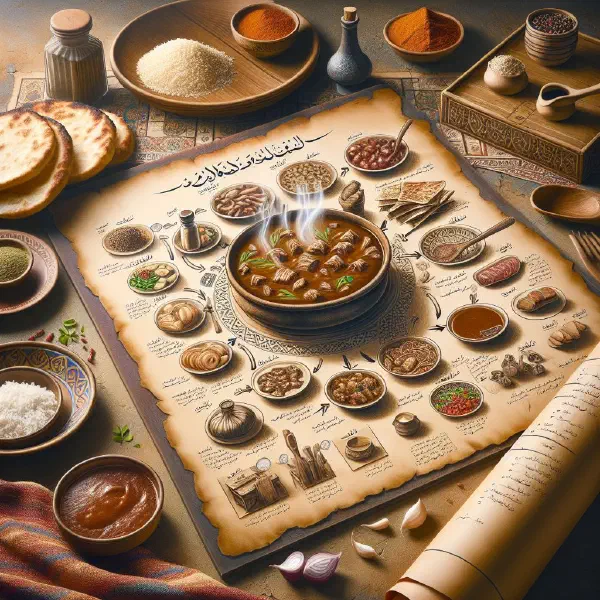
Thareed has its roots in the Bedouin traditions of Arabic culture and is closely tied to the nomadic way of life. It was originally devised as a way of making a nourishing meal from a limited set of ingredients that could be carried easily. The combination of meat, vegetables and bread in a single broth symbolises the variety of those ingredients and the hospitality and cultural values that matter so much in the region. Today thareed is a much-loved dish, appreciated far beyond Kuwaiti cuisine across many Arab countries.
More recipe ideas
Summary: Thareed
In short, thareed is a wonderful example of Kuwaiti cooking, offering a wealth of flavours drawn from the union of meat, vegetables and spiced bread in a hearty broth. From the preparation right through to the presentation, it lets you experience the traditional flavours of the Middle East while making your own adjustments along the way. Whether for a family dinner or a sociable evening with friends, thareed brings joy and togetherness to the table. Let this dish inspire you and discover the tastes of Arabic cooking for yourself.