National Dish Kyrgyzstan: Boso Lagman (Recipe)
In this article
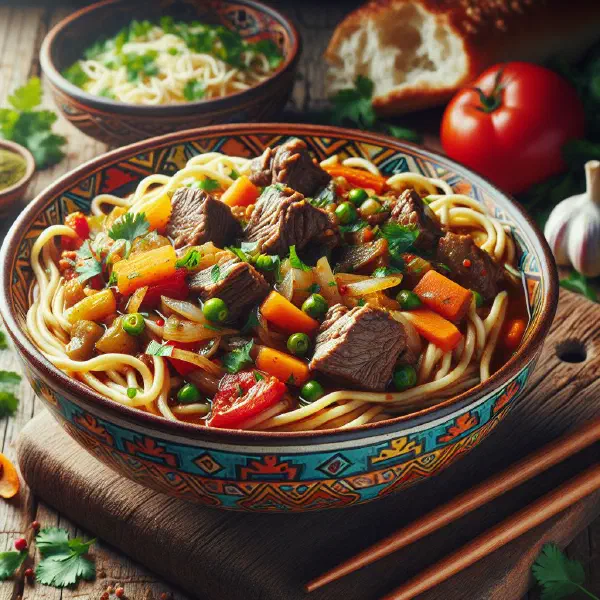
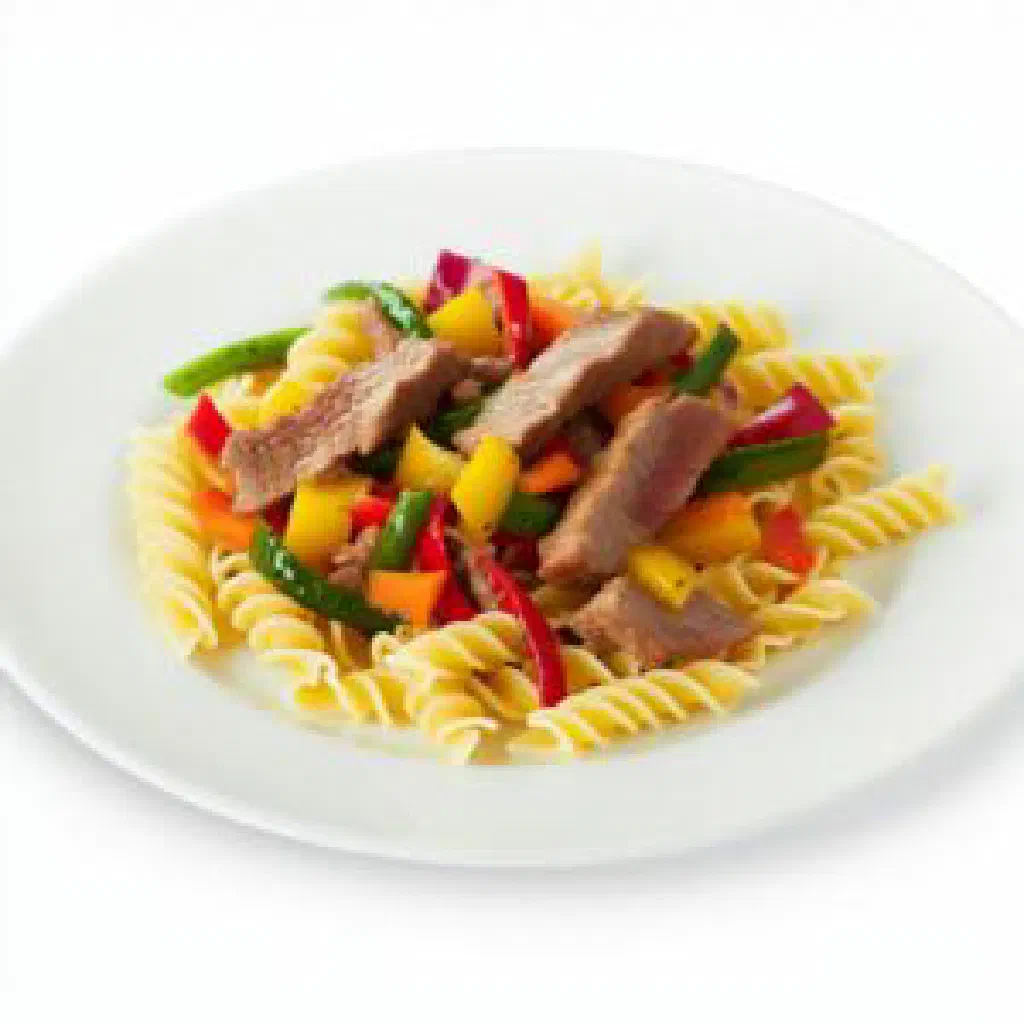
Meet Boso Lagman, a soul-warming noodle dish that carries the flavours and hospitality of Kyrgyzstan in every bite. Springy, hand-pulled noodles are tossed with tender meat and a medley of fresh vegetables, all brought together in a fragrant, savoury sauce. It is the kind of dish that turns a family meal into a celebration, and it brings the traditions of the Central Asian steppe straight to your own kitchen.
About Boso Lagman
Boso Lagman is far more than a meal; it is an experience that reflects the traditions and culture of Kyrgyzstan. This hearty, colourful dish brings together hand-pulled noodles, tender meat and fresh vegetables in an aromatic sauce. The interplay of textures and flavours creates a truly distinctive taste that appeals to the senses and satisfies real hunger. Boso Lagman is often served at festive occasions and is a symbol of the warm hospitality of the Kyrgyz people.
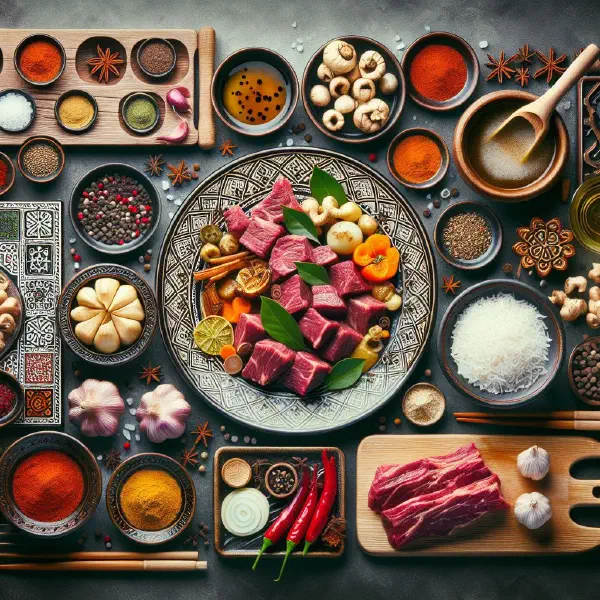
Ingredients (serves 1–2)
- 200 g plain flour
- 100 ml water
- 250 g beef or lamb
- 1 onion
- 1 pepper
- 2 carrots
- 1 tomato
- 2 garlic cloves
- 1 tablespoon soy sauce
- Salt and pepper to taste
- Fresh herbs (such as coriander or parsley)
Shopping for the ingredients
To make Boso Lagman well, it is worth choosing the freshest ingredients to guarantee the fullest flavour. Visit your local market or a specialist grocer to find good-quality meat and vegetables. Look for meat with a little marbling, as this gives the dish more flavour and tenderness. Fresh vegetables and fragrant herbs are just as important for keeping the dish lively and aromatic.
Preparing the dish
Preparing Boso Lagman takes a little time, but the effort is well rewarded. Start by making the noodles: knead the flour and water together until you have a smooth, pliable dough. Let the dough rest so it develops the right consistency. While it rests, prepare the vegetables and the meat so that the cooking itself runs quickly and smoothly.
Step-by-step instructions
- Make the dough for the noodles and set it aside to rest.
- Cut the meat and vegetables into evenly sized pieces.
- Heat oil in a large pan and fry the onion until translucent.
- Add the meat and brown it until it takes on a golden crust.
- Add the carrots, pepper and tomato, and fry everything together.
- Pour in liquid (water or stock) and let the dish simmer.
- Roll out the dough and cut it into fine strips.
- Cook the noodles in a separate pan of water until just tender.
- Serve the noodles in a bowl and spoon the meat-and-vegetable mixture over the top.
- Garnish with fresh herbs and serve hot.
Gluten-free / lactose-free version
For a gluten-free version of Boso Lagman, use gluten-free flour or rice flour to make the noodles. Take care to check that all the other ingredients are gluten-free too. For a lactose-free version, simply use vegetable oil in place of butter and choose a plant-based stock. This way you can enjoy a delicious dish that adapts easily to a whole range of dietary needs.
Tips for vegans and vegetarians
For a vegan version of Boso Lagman, swap the meat for tofu or extra vegetables. You could also add pulses such as chickpeas or lentils to make the topping more protein-rich. Instead of meat stock, simply use a vegetable stock to keep the full depth of flavour. Do not forget to build the aromas with spices such as turmeric and paprika.
More tips and tricks
One key tip is to let the sauce simmer long enough for the flavours to develop fully. Use fresh herbs to garnish, as this improves the taste and the visual appeal of the dish. Adjust the ingredients to suit your preference, depending on the season or what is available. Sometimes simply combining different spices is enough to bring out fresh new flavours.
Adapting the recipe to your taste
Every recipe can be personalised, and Boso Lagman is no exception. Experiment with different types of vegetable or cuts of meat. You can dial the heat up or down too, adding chilli or pepper to match your taste. That way every Boso Lagman turns out unique and exactly to your liking, much like a home-cooked bowl of Lagman.
Ingredient substitutions
If you do not have every ingredient to hand, there are plenty of great alternatives. Try chickpea pasta or even courgette noodles, for example, for a lighter take on the noodles. In place of beef or lamb you can use chicken or even fish, as you might in a plate of Kuurdak.
Drink pairing ideas
Boso Lagman pairs well with traditional drinks such as Kymyz, a fermented mare’s milk that is prized right across Central Asia. Green teas or fruity juices are also a good choice for complementing the flavours of the dish. A cool beer harmonises nicely with this hearty meal too. Experiment and find the perfect match for your own taste.
Serving and presentation ideas
The presentation of Boso Lagman can be lifted with a few creative touches. Serve the dish in large, colourful bowls to underline its welcoming feel. For something extra, scatter fresh herbs generously over the top and perhaps finish with a squeeze of lemon. This makes your table both attractive to look at and appetising to taste.
A bit of history
Boso Lagman has a history rooted deep in the culinary tradition of Kyrgyzstan. The dish has its origins in the nomadic culture of Central Asia and is a symbol of hospitality and community. Every family recipe can vary, as each region and household has its own traditions, much like other classics of Kyrgyz cuisine such as Beshbarmak. Boso Lagman is therefore more than a meal but a link to a cultural heritage that is passed down through the generations.
More recipe ideas
Summary: Boso Lagman
In short, Boso Lagman is a perfect way to bring the warm hospitality of Kyrgyzstan to your table. The dish combines a wealth of flavours and textures that make every mouthful memorable. With simple adjustments for special diets, it can be enjoyed by everyone. Let its delicious taste and cultural heritage inspire you, and enrich your kitchen with this wonderful dish.