National Dish Kyrgyzstan: Kurut (Recipe)
In this article
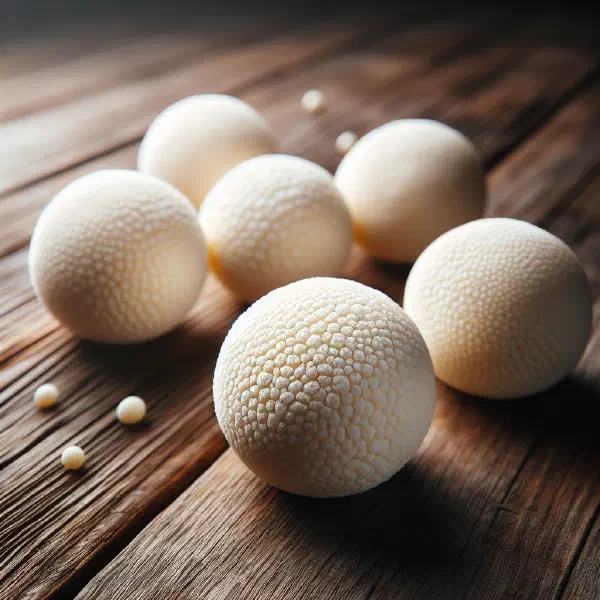
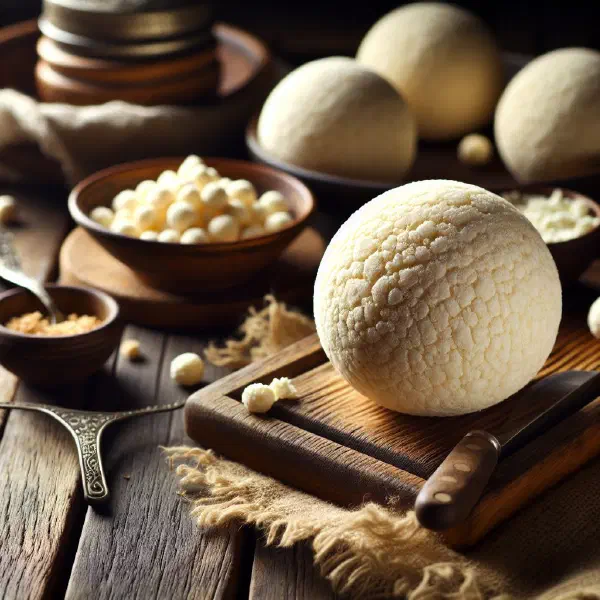
Say hello to Kurut, one of Kyrgyzstan’s most enduring nomadic snacks. These small, hand-rolled balls of dried cheese carry a bold, salty tang that has fuelled travellers across the Central Asian steppe for centuries. Wonderfully simple to make and easy to keep, kurut turns humble milk into a hard-wearing treat that stores for months. Bring a taste of the mountains and pastures of Kyrgyzstan straight to your own kitchen.
About Kurut
Kurut is a traditional dish from Kyrgyzstan made from dried cheese. These savoury little cheese balls are a cornerstone of Kyrgyz culture and carry a long history stretching back to nomadic times. Kurut is usually made from goat’s milk or cow’s milk and is known for its salty, gently sour flavour. The dish works beautifully as a snack or as an accompaniment to a range of main courses, and it remains a much-loved staple across Kyrgyz communities.
Ingredients (serves 1–2)
- 300 g goat’s milk or cow’s milk
- 1 tsp salt
- 1 tsp lemon juice or vinegar
- Optional: spices of your choice (e.g. paprika or caraway)
Shopping for the ingredients
The key is to choose good dairy, since it forms the foundation of a delicious kurut. Look for unpasteurised or fresh goat’s or cow’s milk at local markets or organic shops. The salt and any spices are just as easy to find in any supermarket or grocery store. Where possible, opt for organic produce to guarantee the very best flavour.
Preparing the dish
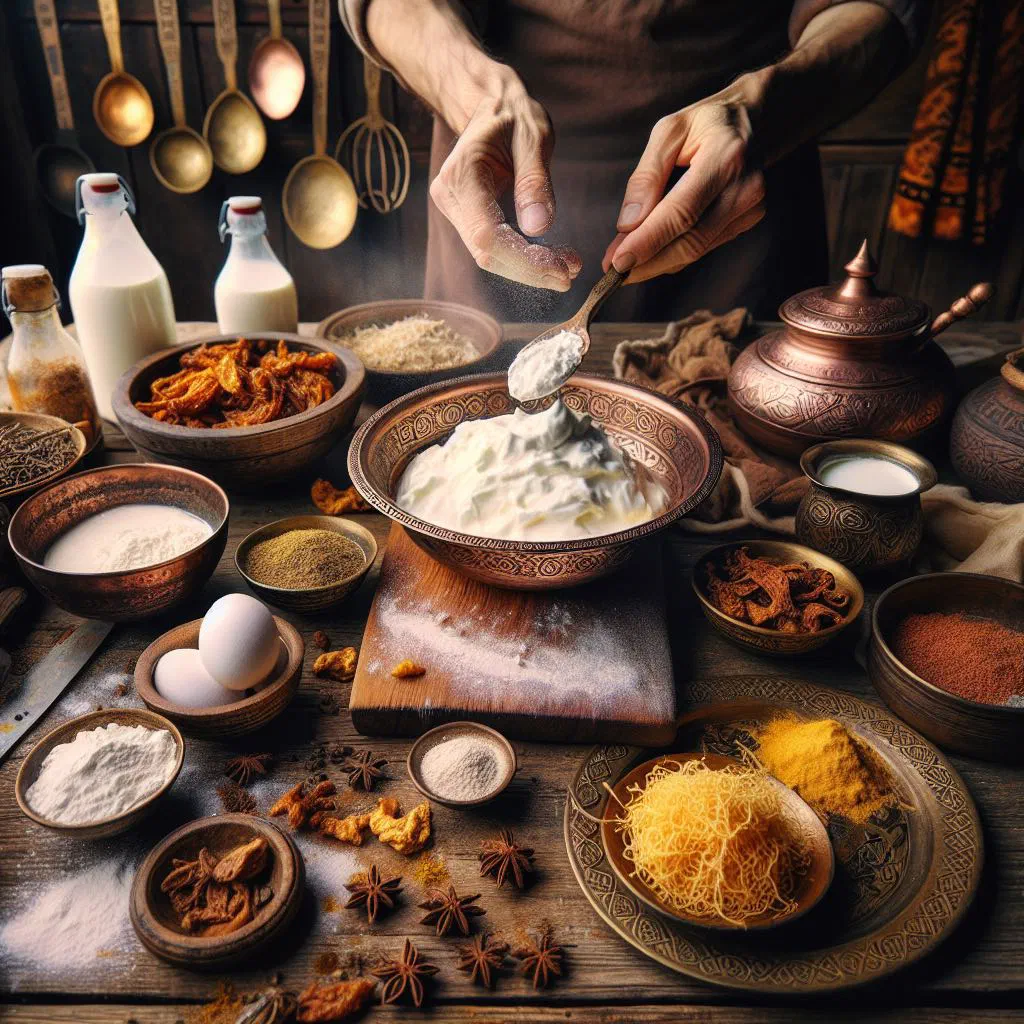
Preparing kurut takes a little time, but the steps themselves are fairly straightforward. First, gently heat the milk until it is warm but not boiling. Next, add the salt and the lemon juice to start the curdling process. This mixture should then be allowed to cool slowly before you begin shaping the cheese balls. It helps to keep your hands lightly damp while forming the balls, so the curd doesn’t stick.
Step-by-step instructions
- Heat the milk in a pan until warm.
- Add the salt and lemon juice to curdle the milk.
- Stir the mixture gently and let it stand for a few minutes.
- Pour the mixture through a fine sieve or cheesecloth to separate off the whey.
- Press the solid curds together to squeeze out any excess liquid.
- Shape small, round balls with your hands.
- Leave the balls to dry in a warm spot for 2–3 days.
- Store the finished kurut in a cool, dry place.
Gluten-free / lactose-free version
This recipe for kurut is naturally gluten-free and lactose-free, provided you use goat’s milk. Using lactose-free cow’s milk is also an option, making this snack more accessible for anyone with a lactose intolerance. It is worth making sure that any other ingredients you add are gluten-free and lactose-free too. That flexibility makes kurut a versatile snack that plenty of people can enjoy.
Tips for vegans and vegetarians
The traditional preparation of kurut is not suitable for vegans, as it relies on cheese made from animal milk. That said, you could try to create a similar dish using plant-based alternatives such as coconut-based or soya-based milk. Reach for a plant-based thickener such as agar-agar to help the mixture set. Although the flavour will differ, a little creativity can still deliver delicious results.
More tips and tricks
An important tip when making kurut is to let the balls dry really thoroughly. The longer they dry, the more intense both the flavour and the texture become. Store the finished kurut in a cool, dry place in an airtight container to keep it fresh. If you enjoy experimenting, try different spice combinations to find your own personal favourite, much as you would when tinkering with a batch of Zhent.
Adapting the recipe to your taste
The kurut recipe is easy to adapt to suit different palates. Add various spices or herbs to create a distinctive note, or vary the amount of salt to fine-tune the flavour. The ratio of milk to acidic ingredient can also be adjusted to achieve the firmness and taste you are after. This adaptability makes kurut a very forgiving dish to play with.
Ingredient substitutions
If you cannot find goat’s milk, you can use cow’s milk or even try oat milk combined with a plant-based thickener. For a lactose-free alternative, soya milk is one possibility, though it will change the taste of the kurut. The usual table salt can be swapped for sea salt or various aromatic salts to create interesting flavour variations.
Drink pairing ideas
A range of drinks pairs wonderfully with kurut. A traditional Kyrgyz tea is an excellent choice, as it underlines the flavours of the snack. Yoghurt drinks or ayran harmonise perfectly too, and you’ll find the same tangy note in a glass of Jarma. If you fancy something more refreshing, try a sparkling mineral water or a fruity lemonade to balance the salty flavours of the kurut.
Serving and presentation ideas
Kurut can be presented in all sorts of appealing ways. Serve the balls on a rustic wooden board alongside a selection of vegetable sticks or flatbreads to create a relaxed, picnic-style spread, a soft Katama makes a lovely partner here. The balls also look great arranged in small glasses or bowls, served with dipping sauces such as yoghurt or hummus. A pretty garnish of fresh herbs lifts the dish still further and adds to the visual appeal.
A bit of history
The history of kurut runs deep in Kyrgyz culture and traces back to nomadic ways of life. During the summer months, goats and cows produced milk in great quantities, and to preserve this harvest people developed the method of drying the cheese. Kurut symbolises sustainability and the creativity and craftsmanship of the people who made it. It represents a cultural richness that is often shared at traditional festivals and celebrations, much like the hearty spreads built around Besh Barmak, a proud hallmark of Kyrgyz cuisine.
More recipe ideas
Summary: Kurut
Kurut is more than just a traditional dish from Kyrgyzstan; it is a genuine cultural symbol that has endured for centuries. Its distinctive combination of flavour and texture makes it a treasured snack and a versatile ingredient in the kitchen. Thanks to its adaptability and the scope it offers for creating different variations, kurut remains a much-loved food. Try the simple steps for yourself and enjoy the fascinating world of Kyrgyz cuisine.