National Dish Kyrgyzstan: Urum (Recipe)
In this article
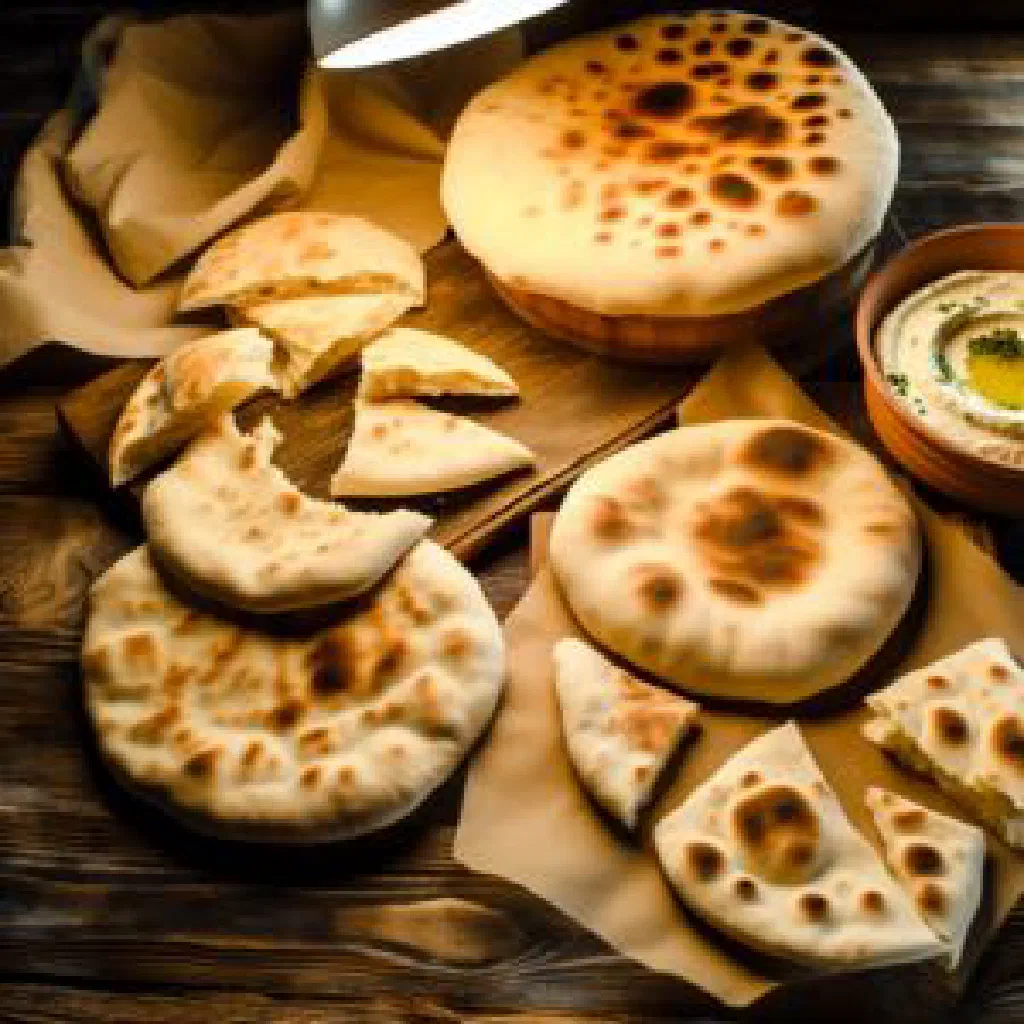
Discover Urum, a traditional Kyrgyz flatbread that turns the simplest of ingredients into something genuinely special. Made from little more than flour, water and a splash of oil, this soft, golden bread is baked in generous batches to be shared around the table with family and friends. Warm, comforting and deeply rooted in Central Asian hospitality, urum brings a taste of the Kyrgyz highlands straight to your own kitchen.
About Urum
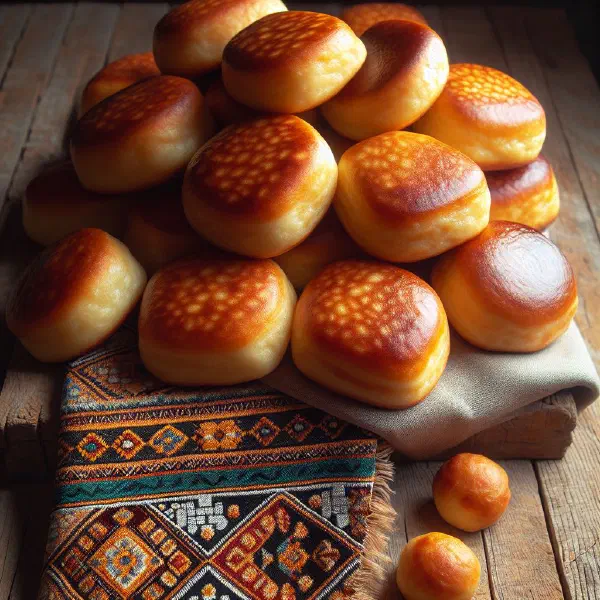
Urum is a traditional Kyrgyz dish that wins people over with its flavour as much as its cultural significance. It is a flatbread made from simple yet high-quality ingredients, and in Kyrgyzstan it is often prepared in large quantities so it can be shared with family and friends. Making this bread is a hands-on craft passed down from one generation to the next, and it plays an important part in Kyrgyz social life. Much like the fried dough of Boorsok, it is a bread that carries real meaning at the table.
Ingredients (serves 1–2)
- 300 g flour (plain wheat flour, for example)
- 200 ml water
- 1 tsp salt
- 2 tbsp vegetable oil
- Fresh herbs (such as dill or parsley), to taste
Shopping for the ingredients
To make an authentic urum, choose ingredients that are fresh and of good quality. Many markets in Kyrgyzstan offer a wide range of regional produce, including local flour and fresh herbs. If you are making urum in another country, it is worth looking in small Asian or Eastern European shops for typical products. Take care to pick a vegetable oil whose flavour suits the dish well, such as sunflower or rapeseed oil.
Preparing the dish
Preparation is a decisive part of making urum. Begin by combining the flour and salt in a large bowl so the ingredients are evenly distributed. Next, add the water slowly while kneading the dough by hand or with a spoon. To check the consistency, the dough should be smooth and elastic once it has been well worked. Then leave the dough to rest for at least 30 minutes before you shape it.
Step-by-step instructions
- Divide the dough into 4 equal portions.
- Roll each portion out thinly on a floured surface.
- Preheat a frying pan over medium heat and add a spoonful of vegetable oil.
- Lay the rolled-out bread in the pan and cook for about 3–4 minutes on each side, until golden brown.
- Wrap the finished breads in a clean cloth to keep them warm.
Gluten-free / lactose-free version
For anyone with a gluten intolerance, urum can be made using gluten-free flour such as rice or buckwheat flour. Bear in mind that the texture and flavour may vary slightly, but the basic principle stays the same. Making the dish lactose-free is simple, since it relies on vegetable oil and contains no dairy products at all. These adjustments mean everyone can enjoy what Kyrgyzstan has to offer, without having to worry about allergies or intolerances.
Tips for vegans and vegetarians
Urum is naturally vegetarian and can be prepared for vegans without any trouble. Just take care that the ingredients you use are free from animal products, which is usually the case anyway. For a richer flavour, add fresh herbs and spices such as cumin or coriander. These lift the flatbread with a distinctive taste that appeals to vegans and non-vegans alike.
More tips and tricks
One little trick for especially light, airy urum is to use lukewarm water. This helps the dough relax, giving a lighter, fluffier result. Resting the dough overnight in the fridge can also make it even more flavoursome. Experiment by adjusting the cooking time slightly to find the perfect result for your taste.
Adapting the recipe to your taste
The beauty of urum lies in the flexibility of the recipe. Feel free to add different herbs or spices to give the dish a personal touch. Basil or even sun-dried tomatoes, everything can be varied to suit you. Adjust the thickness of the dough to your liking: thinner bread is crisp, while thicker versions are softer.
Ingredient substitutions
The choice of ingredients can be crucial to the flavour of urum. Instead of wheat flour you can also use oat flour, which is likewise gluten-free and lends an interesting note. If you would rather leave out vegetable oil, swap in olive oil for a Mediterranean touch. The choice of herbs can vary too, depending on what you have to hand, whether that is thyme or oregano. Similar swaps work beautifully in the fried Boortsog dough.
Drink pairing ideas
Urum pairs wonderfully with a range of drinks. In Kyrgyzstan many people enjoy this bread with traditional drinks such as kefir or a fermented mare’s milk drink like Kymyz. For a more modern take, serve it with well-chilled sparkling water or a fresh fruit juice. It is especially refreshing to enjoy urum alongside a mild tea. Ideal for sociable gatherings.
Serving and presentation ideas
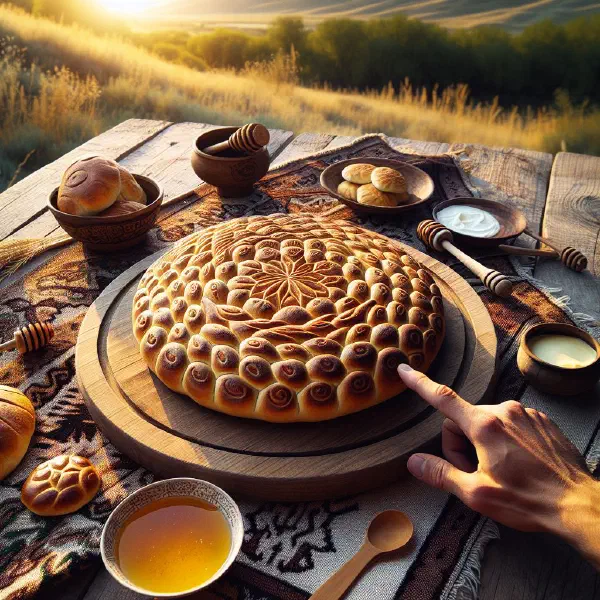
The way you present urum can lift the whole experience considerably. Serve the flatbread on large, rustic wooden boards to create an inviting atmosphere. Adding fresh herbs as a garnish, or spreading the bread with creamy dips, can give the dish an extra dimension. Don’t forget to accompany your urum with an appealing regional drink to round off the feast.
A bit of history
Urum has a long history in Kyrgyz culture. The recipe is believed to have existed in various forms for hundreds, if not thousands, of years. Making urum is often part of festive occasions and gatherings, which makes it a symbol of community and hospitality. Over time the dish has also spread to other Central Asian countries, a reflection of the cultural exchange between different peoples, a hallmark of Kyrgyz cuisine as a whole.
More recipe ideas
Summary: Urum
In summary, urum is an indispensable part of Kyrgyz culture and cuisine. Its simple ingredients and the craft that goes into every batch of dough make it not only delicious but genuinely meaningful. Whether shared in a small circle or served at festive occasions, urum brings people together and embodies the warm hospitality of Kyrgyzstan.