National Dish Laos: Gaeng Pa (Recipe)
In this article
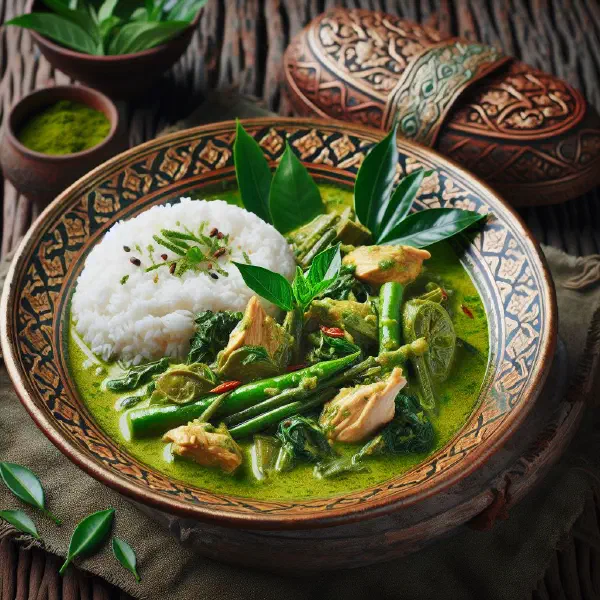
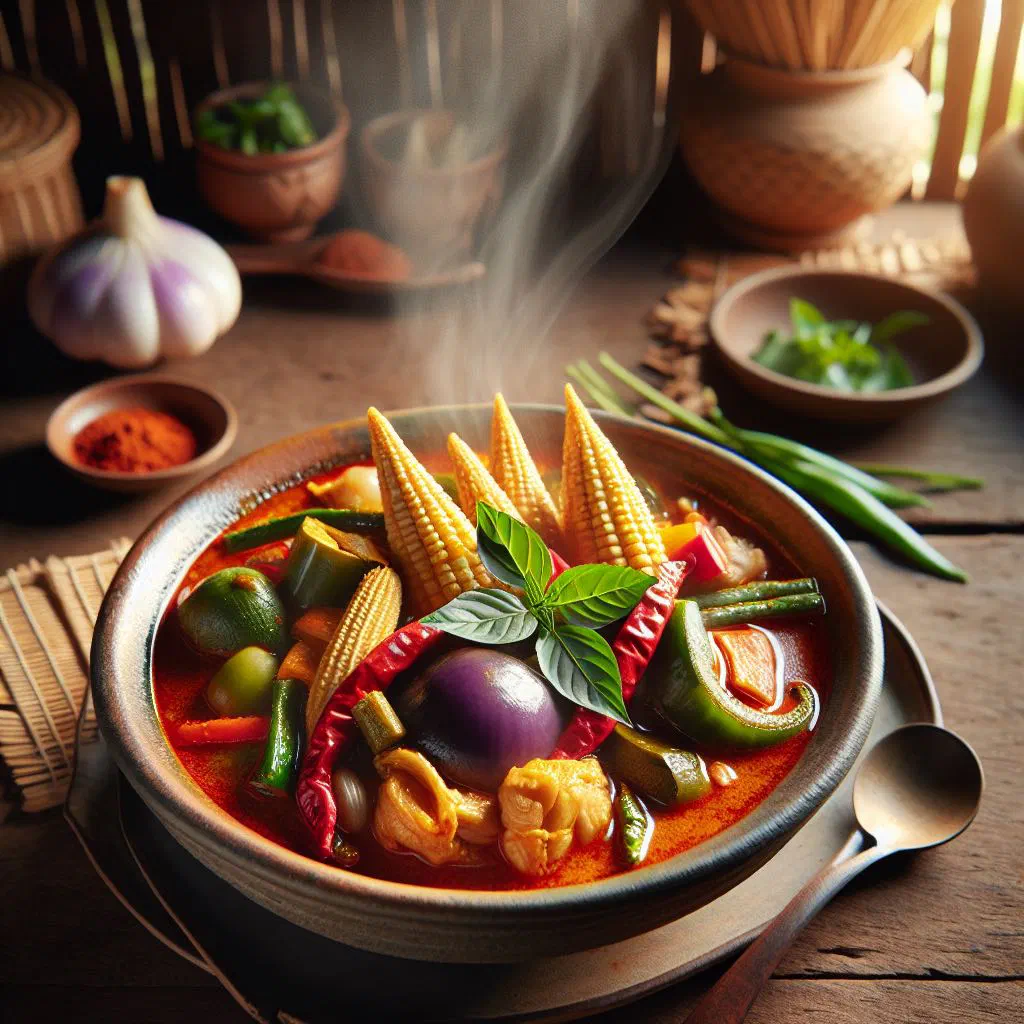
Discover Gaeng Pa, one of the great national dishes of Laos. Often called the wild herb soup, it captures the fresh, fragrant spirit of Laotian cooking in a single bowl. A harmonious mix of vegetables, meat and a generous handful of aromatic herbs comes together in a light, deeply flavoured broth. Nourishing, endlessly adaptable and made for sharing, it brings the warmth of a Laotian gathering straight to your own kitchen.
About Gaeng Pa
Gaeng Pa, also known as the “wild herb soup”, is a delicious national dish from Laos that perfectly embodies the flavours and freshness of the region. Its soup base is built from a harmonious blend of vegetables, meat and a whole array of aromatic herbs, which together create an unmistakable taste experience. The dish is nourishing and wonderfully versatile, since it can be adjusted to whatever is on hand and to your own preferences. In Laos, Gaeng Pa is often served at social gatherings and reflects the traditional food culture of the region.
Ingredients (serves 1–2)
- 250 g chicken breast or tofu
- 1 litre vegetable stock
- 200 g mixed vegetables (e.g. carrots, peppers, courgette)
- 100 g fresh herbs (e.g. Thai basil, coriander, mint)
- 2–3 chillies (to taste)
- 2 cloves garlic
- 1 piece of ginger (about 2 cm)
- 1–2 tablespoons fish sauce or soy sauce
- Salt and pepper to taste
Shopping for the ingredients
For an authentic Gaeng Pa, use the freshest ingredients you can find. The main components, such as fresh vegetables and herbs, are available in most Asian supermarkets or at local markets. When buying the meat, make sure it is of good quality, as this has a significant effect on the flavour of the soup. If you like, you can also choose organic ingredients to maximise the health benefits and keep your ecological footprint as small as possible.
Preparing the dish
Before you start cooking Gaeng Pa, it is important to prepare all the ingredients. That means washing the vegetables thoroughly, then slicing them into even pieces. The meat or tofu should also be cut into small cubes to ensure it cooks evenly. In addition, the herbs should be roughly chopped so they release their aromas more readily.
Step-by-step instructions
- Heat a large pot over medium heat and add a little oil.
- Add the chopped garlic and ginger and sauté briefly until fragrant.
- Add the meat or tofu to the pot and fry until lightly golden.
- Pour in the vegetable stock and bring everything to the boil.
- Add the sliced vegetables and the chillies, and let the soup simmer for about 10–15 minutes.
- Season the soup to taste with fish sauce or soy sauce, salt and pepper.
- Finally, add the fresh herbs and let the soup rest briefly to infuse.
Gluten-free / lactose-free version
Gaeng Pa is naturally a gluten-free and lactose-free dish, especially if you swap the soy sauce for a gluten-free alternative. Take care that the stocks and sauces you use also contain no gluten-based thickeners. For vegan versions, use tofu or tempeh instead, and replace the fish sauce with a vegan alternative such as the one that works so well in Larb. This way the flavour of the soup is preserved despite the adjustments.
Tips for vegans and vegetarians
If you want to skip animal products, Gaeng Pa is easy to prepare in a vegan version. Replace the chicken with crumbled tofu or tempeh and use vegetable stock instead of meat stock. The choice of vegetables matters too; use seasonal and regional produce to achieve the best flavour and the highest nutrient density. By adding fresh, aromatic herbs, the taste stays rich and satisfying even without meat.
More tips and tricks
A few useful tips can help you get the very best from your Gaeng Pa. Use fresh herbs and vegetables to intensify the flavour of the soup. Take care not to cook the soup for too long, as the vegetables would otherwise lose their crisp texture and their nutrients. If you enjoy spicy food, experiment with different chillies to reach the level of heat you like. And don’t forget to garnish the soup with fresh herbs at the end for the perfect presentation.
Adapting the recipe to your taste
Gaeng Pa is a very flexible dish that adapts easily to different tastes and preferences. You can vary the vegetables to make use of seasonal produce or to emphasise particular textures. If you prefer a thicker soup, you can stir in a little rice or buckwheat to thicken it. You can experiment with the meat too: pork or beef also make tasty alternatives that give the soup a new note, much as they do in a hearty Nam Tok.
Ingredient substitutions
If you cannot find some of the ingredients, there are plenty of alternatives that are just as delicious. Instead of chicken, you can also use lamb or beef if you prefer a more tender meat. For the broth, vegetable stock or chicken stock both work well, depending on the flavour you want. When it comes to herbs, you can try basil or oregano for a different taste dimension. What is essential, though, is to favour fresh ingredients to guarantee the authentic flavour of Gaeng Pa.
Drink pairing ideas
The right drink can greatly enhance the experience of eating Gaeng Pa. A cool, light lager pairs beautifully with the heat of the soup and makes the meal even more enjoyable. For those who prefer not to drink alcohol, a fresh iced tea or homemade lemonade is an excellent choice. Alternatively, you can serve a mild sparkling water so as not to mask the flavours of the soup while still keeping things refreshing.
Serving and presentation ideas
The presentation of Gaeng Pa can add a great deal to the enjoyment. Serve the soup in colourful bowls and garnish it with fresh herbs to bring out the colours. A few fresh chillies or lime wedges on the side of the bowl give the dish a stylish touch. Using wooden boards or sturdy table settings can also help create a relaxed, authentic atmosphere that does justice to the Laotian origins of the dish.
A bit of history
The roots of Gaeng Pa reach deep into Laotian culture. This dish is part of the traditional cuisine, which is strongly shaped by local ingredients and the surrounding landscape. The use of wild herbs and fresh vegetables is characteristic of the region’s cooking, as these ingredients often come straight from the garden or the local market. Gaeng Pa is a piece of living culture that reflects community and tradition, a defining feature of Laotian cuisine.
More recipe ideas
Summary: Gaeng Pa
Gaeng Pa is more than just a soup; it is a tour into the wonderful world of Laotian cooking. With its fresh herbs and nourishing ingredients, this dish offers a memorable taste experience that is both delicious and healthy. Making Gaeng Pa is simple and fun. Let this exquisite dish inspire you and explore the wealth of flavours that Asian cuisine has to offer.