National Dish Laos: Mee Kathi (Recipe)
In this article
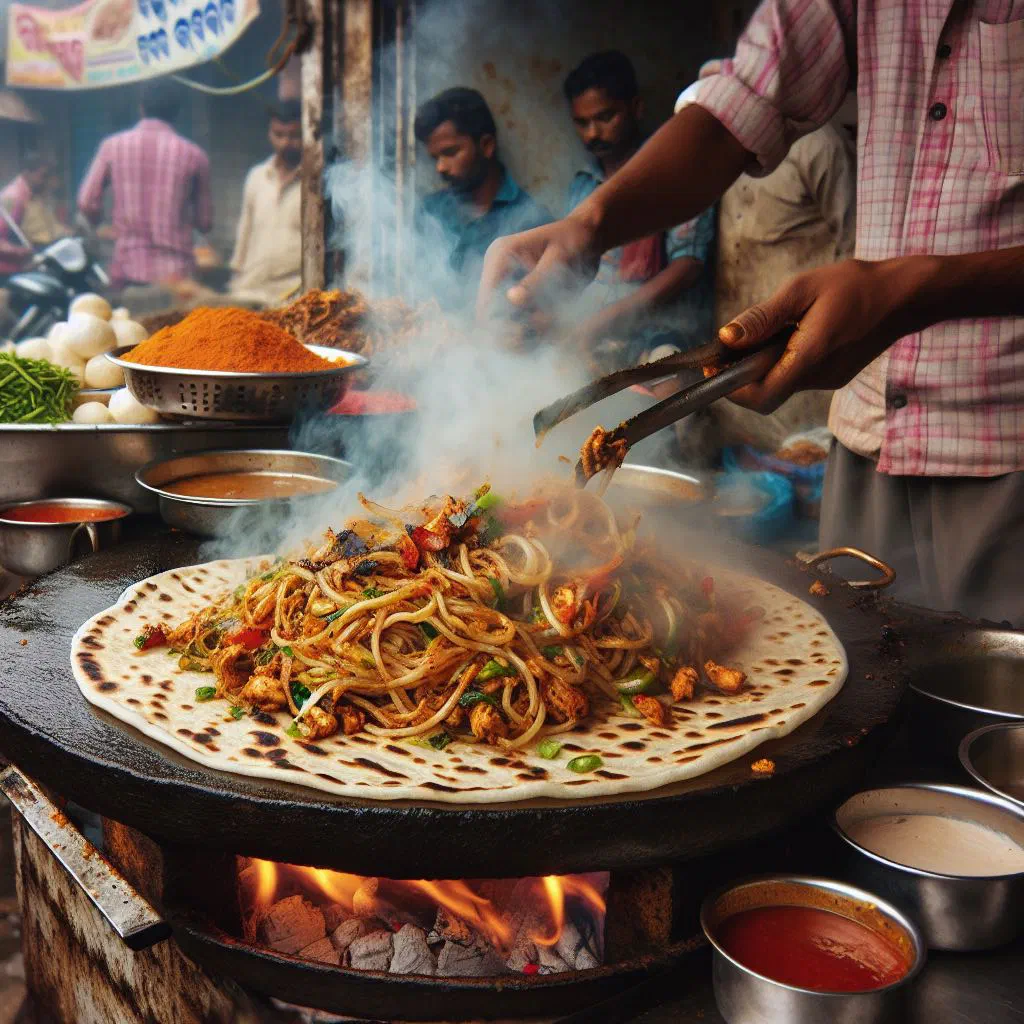
Meet Mee Kathi, a creamy Laotian noodle dish that brings the fragrant heart of South-East Asian cooking to your kitchen. Rice noodles are bathed in silky coconut milk and lifted with fresh herbs, a whisper of curry and a squeeze of lime. Rich yet refreshing, it is a favourite at family tables, in local restaurants and at busy street markets alike. One bowl, and you will understand why Laos has such a devoted following among food lovers.
About Mee Kathi
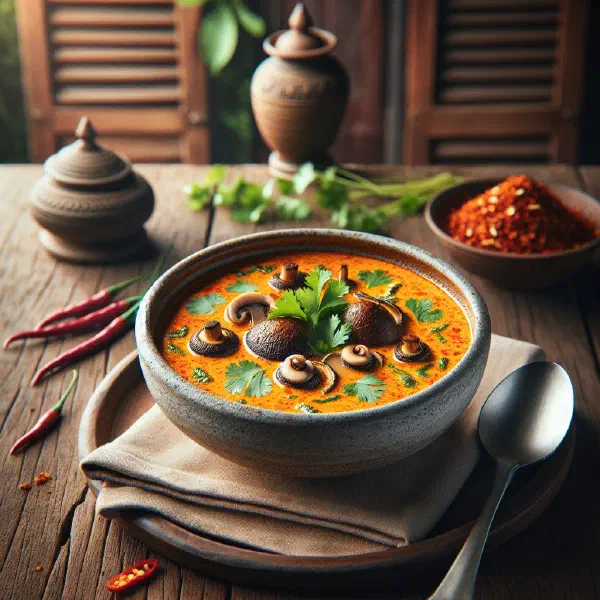
Mee Kathi is a traditional Laotian noodle dish prepared in homes across the country. Its signature is a creamy texture, achieved through generous use of coconut milk, paired with a bright combination of fresh herbs and gentle spices. The result is both nourishing and deeply aromatic, which is why it appears so often on restaurant menus and at street-food stalls. The authentic taste of Mee Kathi reflects the culinary variety of the region and makes it a perfect choice for anyone who loves bold, comforting flavours.
Ingredients (serves 1–2)
- 200 g rice noodles
- 400 ml coconut milk
- 100 g kimchi or pickled vegetables
- 1 teaspoon curry paste
- 2 tablespoons fish sauce
- 2 spring onions
- 1 handful fresh herbs (basil, coriander)
- Sesame oil, for frying
- 1 lime (for the juice)
Shopping for the ingredients
When shopping for Mee Kathi it is worth choosing the freshest produce you can find. Many of the ingredients are readily available in Asian grocery shops or at international markets. Pay particular attention to the quality of the coconut milk, as it has a big influence on the flavour of the finished dish. Fresh herbs such as basil and coriander are best bought as close to cooking time as possible so they keep all their fragrance.
Preparing the dish
Preparing Mee Kathi is mostly a matter of cooking the rice noodles and getting the other ingredients ready to combine. Start by soaking or boiling the rice noodles according to the packet instructions. While the noodles cook, prepare and lay out the remaining ingredients, the fish sauce, curry paste and coconut milk. Finely chop the spring onions and herbs so their aromas spread evenly through the dish once everything comes together.
Step-by-step instructions
- Cook the rice noodles according to the packet instructions and set aside.
- Heat a little sesame oil in a pan and fry the curry paste to release its aromas.
- Pour in the coconut milk and stir well until the paste has dissolved completely.
- Add the cooked rice noodles to the pan and toss everything together thoroughly.
- Stir in the kimchi or pickled vegetables along with the fish sauce, and let it simmer gently.
- Garnish with fresh herbs and spring onions, then finish with a squeeze of lime juice.
Gluten-free / lactose-free version
Making Mee Kathi gluten-free and lactose-free is straightforward. Use gluten-free rice noodles, which are widely stocked in supermarkets and Asian shops, and check that your fish sauce is gluten-free too. Coconut milk is naturally free from lactose, which makes this dish a great option for anyone with a lactose intolerance, much like the coconut-rich Kaeng Kari.
Tips for vegans and vegetarians
For a vegan version of Mee Kathi, simply replace the fish sauce with a plant-based alternative such as soy sauce or tamari. Take care to choose a curry paste that is vegan too, as some blends contain fish or shrimp. Instead of kimchi you could use a quick sauté of pak choi or broccoli. These small swaps mean vegans and vegetarians can enjoy this delicious dish just as much as everyone else.
More tips and tricks
A few simple tips and tricks can lift the flavour of Mee Kathi noticeably. Experiment with different vegetables to add another dimension of taste, and scatter over a few peanuts or cashews for extra crunch. Do not be shy with the fresh herbs at the end, a generous garnish both intensifies the aroma and makes for an appetising presentation.
Adapting the recipe to your taste
The Mee Kathi recipe is easy to adjust to your personal preferences. Turn the heat up or down with more or less curry paste, depending on how much spice you enjoy. The vegetables can vary too, so use whatever is in season or already in your fridge. Feel free to experiment with aromatics like ginger or garlic to bring even more depth to the flavour.
Ingredient substitutions
If you do not have every ingredient to hand, there are plenty of alternatives for Mee Kathi. Instead of rice noodles you can use other varieties such as udon or soba. If coconut milk is unavailable, another plant-based milk with a little extra oil will do, although it will change the character of the dish. With substitutions like these the recipe stays flexible and easy to adapt to different tastes, the same spirit of improvisation you will find in a bowl of Khao Poon.
Drink pairing ideas
To round out your meal, a refreshing lime lemonade or a cold Asian beer pairs beautifully with Mee Kathi. Both complement the creamy, gently spiced flavours of the dish. If you would rather keep things alcohol-free, a freshly brewed green tea is an excellent choice, matching the complexity of the dish without competing with it. Either way, the right drink lifts the whole dining experience.
Serving and presentation ideas
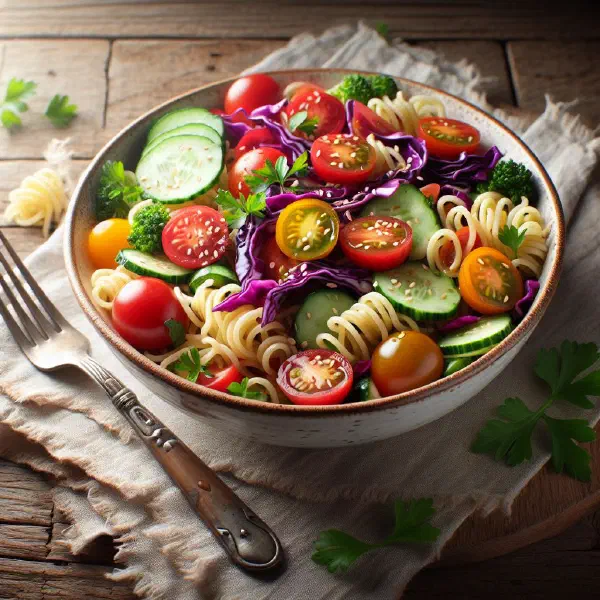
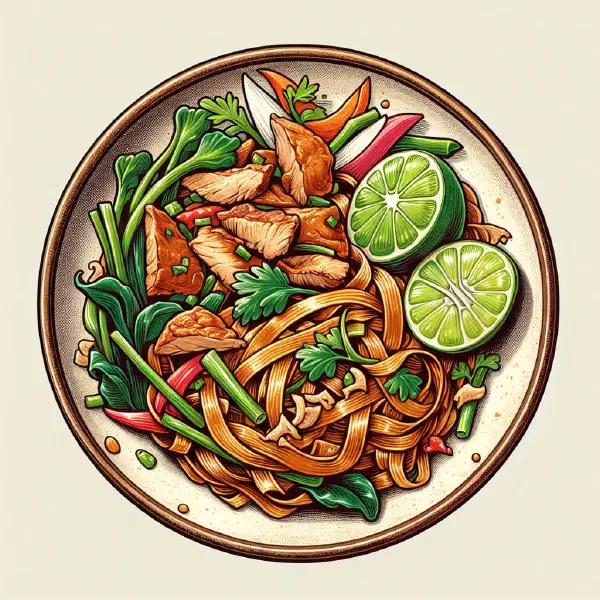
A thoughtful presentation can make all the difference. Serve Mee Kathi in deep bowls and garnish with a selection of fresh herbs and a lime wedge on the side. A scattering of roasted peanuts or cashews makes an attractive topping and adds welcome texture. Colourful ingredients and a careful arrangement turn a simple noodle bowl into something really inviting.
A bit of history
Mee Kathi has a history rooted deep in Laotian culture. The dish has been shaped by influences from neighbouring cuisines, including Thai and Vietnamese cooking. The use of coconut milk and fragrant herbs is characteristic of South-East Asian gastronomy more broadly. Today it is prepared in countless variations across Laos, reflecting the creativity of local kitchens and the endless variety of Laotian cuisine.
More recipe ideas
Summary: Mee Kathi
In short, Mee Kathi is a versatile and flavoursome dish that represents Laotian cuisine wonderfully. It brings together fresh ingredients and exciting aromas, and it is both easy to prepare and endlessly adaptable. Vegan or gluten-free version, the possibilities are all but limitless. Discover the flavours of Laos through this delicious noodle dish and let its many variations inspire your own cooking.