National Dish Latvia: Eļļas Maize (Recipe)
In this article
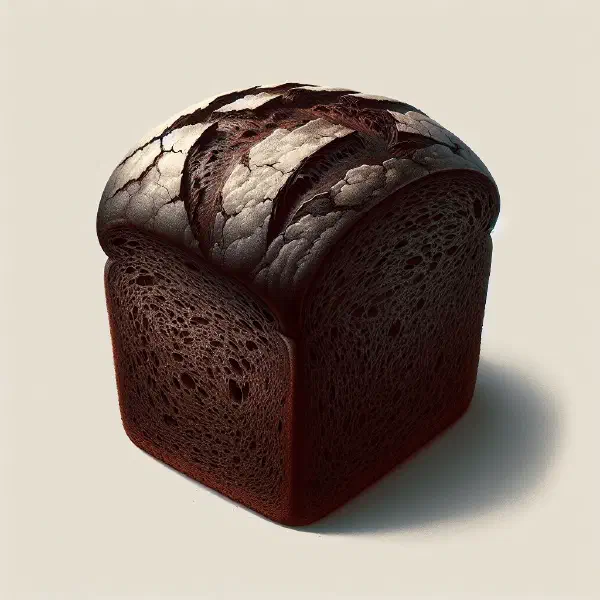
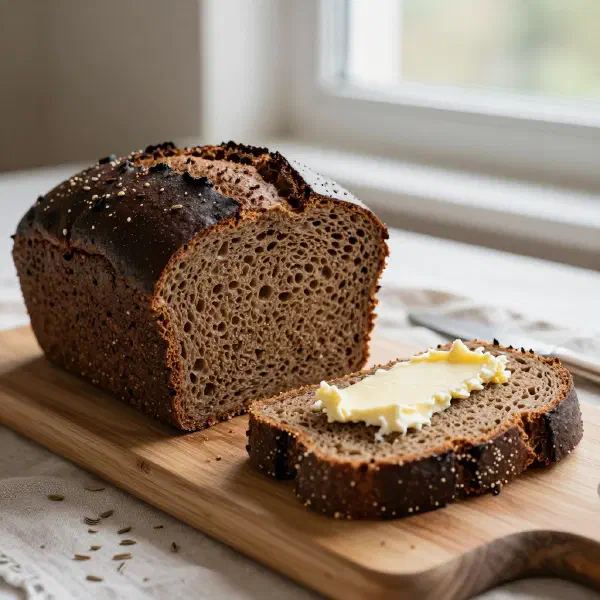
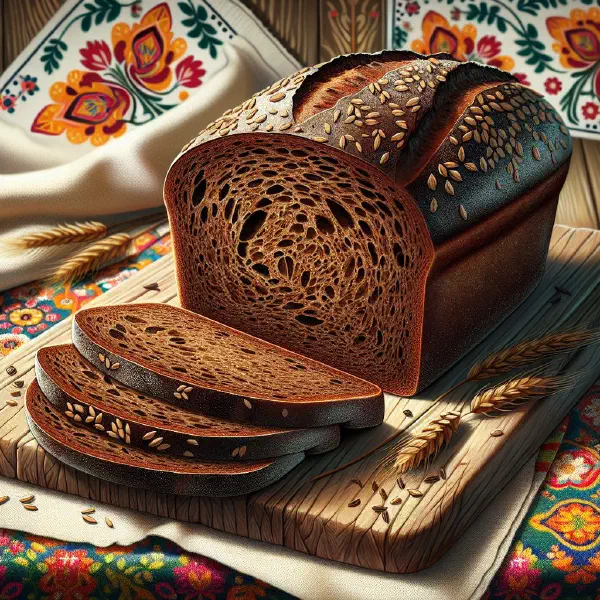
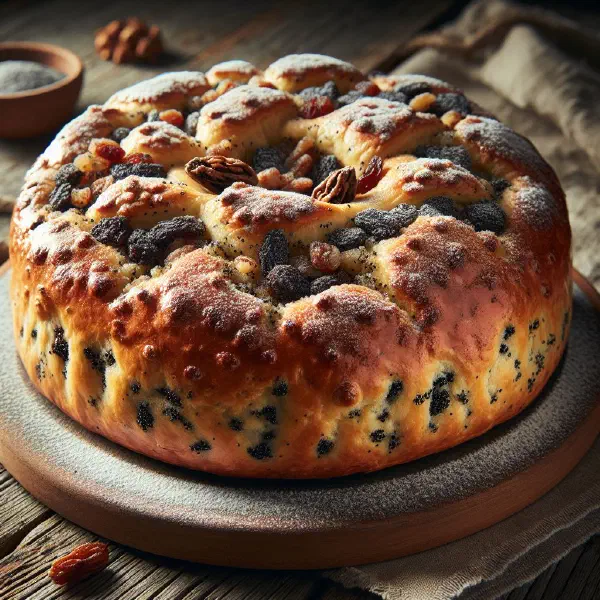
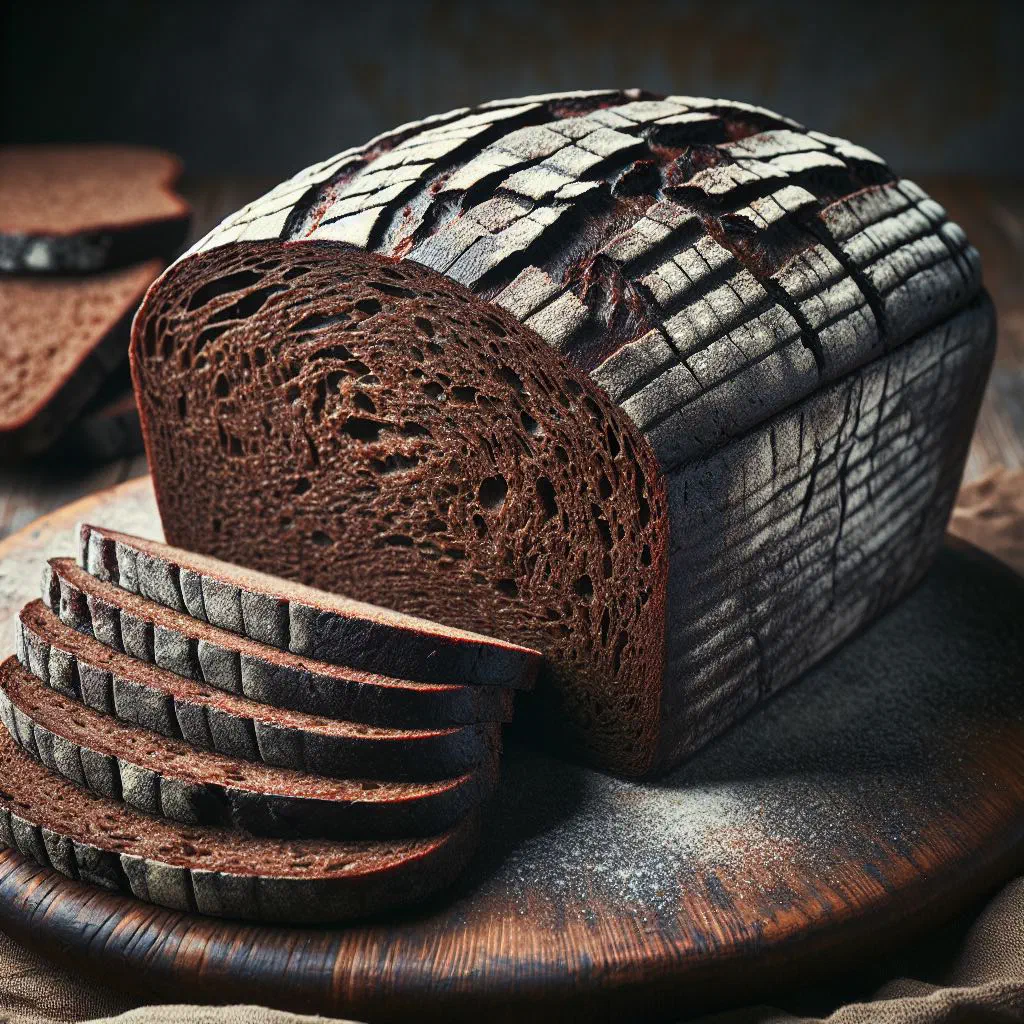
Discover Eļļas maize, the crisp Latvian oil bread that turns the simplest pantry staples into something memorable. Made from little more than rye flour, yeast and a good glug of oil, it comes out of the oven with a deeply golden crust and a soft, fragrant crumb. Latvians eat it with all manner of spreads or serve it alongside a hearty main course. Bake a loaf and you bring a piece of Baltic tradition straight to your own table.
About Eļļas Maize
The traditional Latvian national dish Eļļas maize wins people over with its straightforward method and its distinctive aroma. It is a crisp oil bread, most often served with a range of spreads or as an accompaniment to a substantial meal. This little delicacy carries the taste of Latvia to your plate and a piece of the country’s cultural identity. Every bite has something homely and traditional about it.
Ingredients (serves 1–2)
- 200 g rye flour
- 1 teaspoon salt
- 1 teaspoon sugar
- 1 tablespoon dried yeast
- 150 ml warm water
- 2 tablespoons olive oil
Shopping for the ingredients
The ingredients for Eļļas maize are available in most supermarkets, and especially in shops that specialise in European foods. Take care to choose a good-quality rye flour, since it forms the backbone of this dough. If you have the chance, try out different oils as well, as each one shifts the character of the finished loaf. Fresh, natural ingredients are the surest route to the best result.
Preparing the dish
Before you start on Eļļas maize, gather all your ingredients together. Measure the quantities carefully and make sure the water is pleasantly warm so that the yeast activates properly. Keep your work surface clean and have every utensil within reach so the process runs smoothly from start to finish. Prepared this way, baking becomes a genuine pleasure rather than a scramble.
Step-by-step instructions
- Combine the measured rye flour, salt and sugar in a bowl.
- Dissolve the dried yeast in the warm water, then add the mixture to the flour.
- Pour in the olive oil and knead the dough thoroughly until smooth and elastic.
- Cover the dough and leave it to prove in a warm place for about 1 hour.
- Turn the risen dough out onto a baking tray and shape it as you like.
- Bake in a preheated oven at 200 °C for roughly 25–30 minutes.
Gluten-free / lactose-free version
A gluten-free Eļļas maize is entirely possible if you use a gluten-free flour blend that preserves the texture and flavour of the bread. Check that every other ingredient is gluten-free too, so there is no risk of cross-contamination. The recipe is already lactose-free thanks to the plant oil, which also lets any herbs and spices come through more clearly. There are plenty of good alternatives that let you enjoy this traditional bread without restriction.
Tips for vegans and vegetarians
For vegans, Eļļas maize is an ideal snack, since it contains no animal products by nature. If you want to boost its nutritional value, experiment with different plant oils or a handful of chopped nuts worked into the dough. Vegetarians can pair it with various spreads or cheese alternatives to widen the range of flavours. Kneading in herbs or seeds is another easy way to build in extra aroma.
More tips and tricks
A few practical pointers make baking Eļļas maize far easier. The surest sign that your loaf is done is a deep golden colour and a hollow sound when you tap the underside. If you like a really crisp crust, splash a little water onto the floor of the oven during the last few minutes of baking. It is also worth playing with the baking time until you hit the texture you prefer, the same patience that rewards you when making Rupjmaize.
Adapting the recipe to your taste
One of the best things about Eļļas maize is how readily the recipe bends to your preferences. You might use a different flour, for instance spelt or wholemeal, depending on what you enjoy. Adding herbs or spices refines the loaf further and lets you tune it to your own palate. Be bold and try new combinations, a day-old loaf also makes an excellent base for Maizes Zupa.
Ingredient substitutions
If you have no yeast to hand, you can try the recipe with baking powder, although this will change the texture of the bread. When it comes to the oil, switch to walnut oil or coconut oil for a more particular flavour. The sugar can equally be replaced with honey or agave syrup. Small adjustments like these let you shape Eļļas maize exactly to your liking.
Drink pairing ideas
To round off the experience, serve Eļļas maize with a well-chosen drink. A dry red wine makes a pleasing contrast to the savoury character of the bread. For something alcohol-free, freshly pressed apple or beetroot juice is a refreshing choice, as is a glass of tangy Kvass. Aromatic teas and herbal infusions also complement the loaf beautifully.
Serving and presentation ideas
Presentation can make all the difference in how guests receive Eļļas maize. Serve the bread on a rustic wooden board and scatter over fresh herbs such as parsley or dill for colour and texture. Small bowls of assorted spreads or dips placed around the board create an appetising spread, a mushroom sauce such as Senu Merce works particularly well. A nicely laid table and a little decoration turn the meal into an occasion.
A bit of history
Eļļas maize has a long tradition in Latvia and is far more than simply a dish; it is part of the national culture. The bread was originally baked by farmers in rural districts and has evolved steadily over the centuries. It stands for the simplicity and closeness to nature that run through Latvian cuisine. Sharing Eļļas maize at celebrations has always strengthened the sense of community and belonging.
More recipe ideas
Summary: Eļļas Maize
Eļļas maize is a versatile and flavourful bread with a great many uses in the Latvian kitchen. Thanks to its uncomplicated method and adaptable ingredients, it slots easily into almost any style of eating. As a side dish or piled with different spreads, it always delivers with its authentic, honest flavour. Let Latvian culture inspire you and enjoy a piece of tradition at your own table.