National Dish Latvia: Medus Pīrāgs (Recipe)
In this article
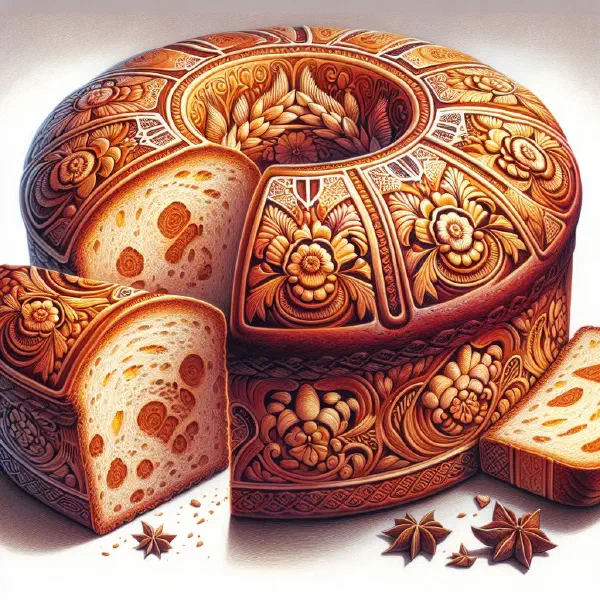
Discover Medus Pīrāgs, Latvia’s golden honey cake. Tender crumb, a warm hum of honey and a whisper of spice make this bake a Baltic classic that turns up at every celebration worth the name. It calls for a handful of everyday ingredients and rewards you with something that tastes far grander than the shopping list suggests. Bring a slice of Latvian tradition into your own kitchen.
About Medus Pīrāgs
Medus Pīrāgs is a traditional Latvian honey cake that wins people over with its wonderful flavour as much as with its simple ingredients. The dish is rooted in Baltic culture and is a firm favourite at feasts and family celebrations. The combination of a tender batter and an aromatic honey note makes this cake a memorable experience. With every bite the natural taste of honey comes through, an ingredient with a long and honoured tradition in Latvia.
Ingredients (serves 1–2)
- 200 g plain flour
- 100 g honey
- 2 eggs
- 50 g butter
- 1 teaspoon baking powder
- A pinch of salt
- Optional: spices such as cinnamon or ginger
Shopping for the ingredients
The ingredients for medus pīrāgs are relatively easy to track down. Most supermarkets and general stores stock fresh flour, good-quality honey and free-range eggs. Try to choose a regional honey where you can, as it deepens the aroma considerably. If you are after particular spices, a local market or a health-food shop is usually the best bet, the same places that supply the rye flour for a proper Rupjmaize.
Preparing the dish
Before you start on the medus pīrāgs, gather every ingredient and set it out on the worktop. This makes the baking process far smoother and ensures nothing is forgotten along the way. Make sure the butter is soft so that it blends easily with everything else. If you plan to add extra spices, think about which aromas you prefer and how they will enrich the character of the finished cake.
Step-by-step instructions
- Preheat the oven to 180 °C.
- Beat the butter and honey together in a bowl until light and creamy.
- Add the eggs and mix thoroughly.
- Add the flour, baking powder and salt, and work everything into a smooth batter.
- Pour the batter into a greased cake tin and level the surface.
- Bake in the preheated oven for about 25–30 minutes.
- Take the cake out of the oven and leave it to cool.
Gluten-free / lactose-free version
For a gluten-free version of medus pīrāgs, simply use a gluten-free flour blend and check that all the other ingredients are gluten-free too. For a lactose-free cake, swap the butter for a lactose-free spread. These small adjustments mean that people with particular dietary needs can enjoy this delicious bake just as much as everyone else at the table.
Tips for vegans and vegetarians
If you would like to try a vegan version of medus pīrāgs, replace the eggs with chia eggs or apple purée. Instead of honey, use agave syrup or maple syrup to sweeten the cake. This straightforward swap allows the traditional recipe to be made entirely free of animal products without giving up any of its lovely flavour. Vegans and vegetarians need not miss out on this Latvian dessert, much as they need not miss out on a bowl of Griku Biezputra.
More tips and tricks
A few extra ideas to make your medus pīrāgs even better: fold chopped nuts or dried fruit into the batter to introduce different textures and aromas. Finishing the cake with a thin glaze or a dusting of icing sugar gives the dessert a particularly festive look.
Adapting the recipe to your taste
Depending on your own preferences, you can adapt medus pīrāgs by adding extra flavourings such as vanilla or orange zest. If you prefer things less sweet, reduce the quantity of honey slightly. Try different spice blends to give the recipe a character all of its own. With just a few tweaks you can turn this classic into a personal masterpiece.
Ingredient substitutions
If some ingredients are hard to come by, there are good alternatives for medus pīrāgs. In place of butter you can use a vegetable fat or try coconut oil. For the flour, spelt flour is a popular option that lends the cake a gently nutty note. Some bakers prefer egg replacer products, especially if they are keeping an eye on cholesterol. Substitutions like these widen your options considerably, and the same thinking works well for a fruit-topped Rabarberu Platsmaize.
Drink pairing ideas
Medus pīrāgs goes beautifully with a cup of black tea or a herbal infusion, both of which set off the sweetness of the cake nicely. A glass of mild white wine or a fresh juice can make an interesting pairing too, as can a homemade Kvass. For something more celebratory, serve the cake with a glass of sparkling wine. Any of these turn the dessert into an ideal close to a festive meal.
Serving and presentation ideas
To present medus pīrāgs attractively, decorate it with a decorative icing glaze or a dusting of icing sugar. Fresh fruit or edible flowers are another lovely way to add a splash of colour. Arranged on a handsome plate or cut into neat portions, the cake looks all the more appetising. These small details are what make it the centrepiece of any celebration.
A bit of history
Medus pīrāgs has a long history in Latvia and reflects the country’s deep attachment to nature and farming. Honey was traditionally regarded as a precious commodity and featured in many cultural celebrations. The way the cake is baked has evolved across generations while staying closely tied to Latvian custom, much like the rest of Latvian cuisine. It is a much-loved dessert and a sign of hospitality.
More recipe ideas
Summary: Medus Pīrāgs
Medus pīrāgs is more than just a cake. It is a piece of Latvian culture that you can recreate easily at home. With a few simple ingredients you can conjure up a delicious honey cake that will warm your heart and those of your guests. The recipe is versatile enough to be adapted and varied exactly as you please. Give in to Latvia’s sweet temptation and enjoy a taste of Baltic tradition.