National Dish Latvia: Rupjmaizes Kārtojums (Recipe)
In this article
Meet Rupjmaizes kārtojums, the layered rye bread pudding that Latvians have cherished for generations. Dark, malty rye bread meets sweet dried fruit and a cool, tangy blanket of sour cream, a simple trio that somehow tastes far greater than the sum of its parts. It needs no oven and barely twenty minutes of work, yet it delivers all the rustic character of a Baltic farmhouse kitchen. Serve it as a pudding after dinner or as a satisfying dish in its own right.
About Rupjmaizes Kārtojums
The national dish of Latvia, Rupjmaizes kārtojums, is a genuine culinary discovery. It brings together the hearty note of rye bread with the sweetness of dried fruit and the creaminess of sour cream. Easy to prepare and full of flavour, it offers a window into Latvian cooking while working equally well as a pudding or as a filling main course. The rustic taste of the rye bread is what makes it such a favourite with locals and with anyone in search of authentic flavours.
Ingredients (serves 1–2)
- 2 slices rye bread
- 100 g dried fruit (apricots, raisins and similar)
- 200 g sour cream
- 3 tablespoons honey or raw cane sugar
- Optional: chopped nuts, to decorate
Shopping for the ingredients
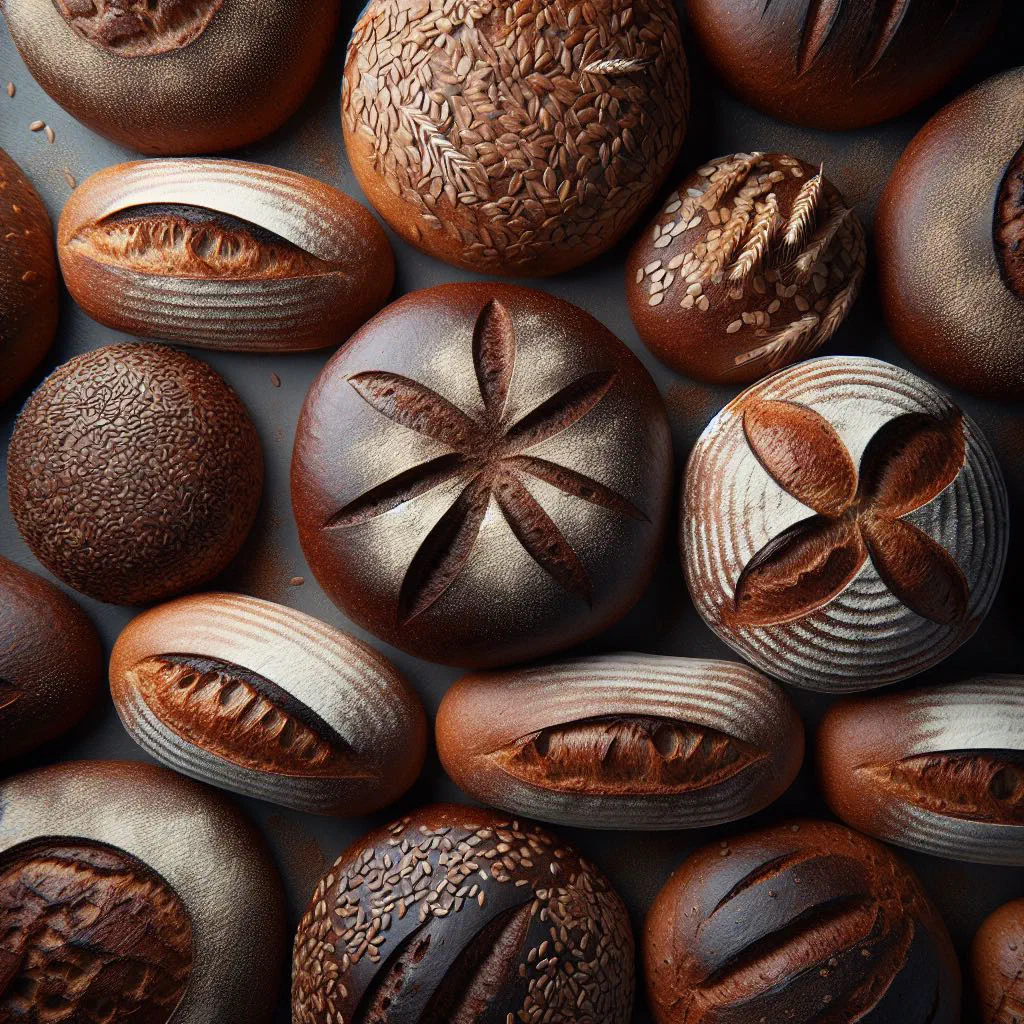
Choosing the right ingredients is what makes or breaks Rupjmaizes kārtojums. When buying rye bread, look for a fresh, aromatic loaf, since the bread forms the entire base of the dish, a good Latvian Rupjmaize is ideal if you can find one. The dried fruit should be of decent quality so the flavour comes through properly. You can also vary things by adding different kinds of nuts, which lend the dish extra texture and a distinctive taste.
Preparing the dish
To get started with Rupjmaizes kārtojums, gather all your ingredients first. Cut the rye bread into small pieces or cubes so it layers neatly. The dried fruit can be chopped as finely as you like, which helps it spread evenly through the dish. One good tip is to stir the sour cream together with the honey or raw cane sugar before you begin, so the sweetness is evenly distributed.
Step-by-step instructions
- Cut the rye bread into small pieces and layer them evenly in a bowl.
- Add a layer of dried fruit over the bread.
- Spoon a little of the sweetened sour cream on top.
- Repeat the layers until all the ingredients are used up.
- Finish with a layer of sour cream, decorated as you please.
- Chill in the fridge for about an hour before serving.
Gluten-free / lactose-free version
For a gluten-free version of Rupjmaizes kārtojums, use gluten-free bread in place of the rye. Check that the dried fruit and the sour cream are certified gluten-free as well. For a lactose-free variant, reach for lactose-free sour cream or a plant-based alternative, both of which sit happily alongside the other flavours. With these adjustments, nothing stands between you and this Latvian speciality.
Tips for vegans and vegetarians
Vegan versions of Rupjmaizes kārtojums are simple to put together. Replace the sour cream with a plant-based alternative such as coconut yoghurt or a vegan cream, and swap the honey for maple syrup or agave nectar. These small changes make the dish not only vegan but every bit as appealing to vegetarian food lovers.
More tips and tricks
To give your Rupjmaizes kārtojums a particular twist, play with additional aromatics. A pinch of cinnamon or a little vanilla lifts the flavour of the dried fruit beautifully. Alternatively, use fresh fruit as a garnish to bring in colour and freshness. Experiment with the layers to put your own stamp on the dish.
Adapting the recipe to your taste
Everyone’s palate is different, so it is worth tailoring Rupjmaizes kārtojums to your own preferences. Feel free to swap the dried fruit around and use dates, figs or cranberries instead. The sweetness can be dialled up or down depending on how rich you want the finished pudding. Adjustments like these turn the recipe into a personal favourite.
Ingredient substitutions
If an ingredient does not appeal or simply is not available, alternatives are usually straightforward. Instead of rye bread you might use a mixture of wholemeal bread or pumpernickel to keep that hearty character, the same thrifty use of stale loaves that gives Maizes Zupa its charm. The dried fruit can be replaced with fresh fruit, though the texture and taste will shift slightly. For the cream, plant-based options or quark both add a different dimension.
Drink pairing ideas
A well-chosen drink rounds off Rupjmaizes kārtojums nicely. A light red wine or a fruity rosé goes splendidly with this pudding. For an alcohol-free option, raspberry lemonade or a fresh herbal tea makes a refreshing companion. All of these harmonise well with the sweetness and the savoury depth of the dish.
Serving and presentation ideas
Presentation matters, particularly with a traditional dish like Rupjmaizes kārtojums. Serve it in an attractive bowl, or layer it in a clear glass so the different colours and textures are on show. A few freshly chopped nuts or a couple of mint leaves as a garnish add a striking visual accent. Small details like these lift the whole experience of serving and eating it.
A bit of history
Rupjmaizes kārtojums belongs to Latvia’s older traditions and has its roots in a home kitchen where rye loaves played a central role. Historically, the dish grew out of necessity, a clever way to use up stale bread. That thrifty, waste-nothing instinct runs through many cultures and still shapes Latvian cuisine today. What began as frugality is now a symbol of culture and community, sitting comfortably beside farmhouse staples such as Pelekie Zirni.
More recipe ideas
Summary: Rupjmaizes Kārtojums
Rupjmaizes kārtojums is an unmistakable Latvian national dish, uniting the flavours of rye bread and dried fruit in perfect harmony. It brings the authentic taste of Latvian tradition to the table. Simple to make and endlessly adaptable, it is a recipe anyone can master. Let this dish carry you off into the culinary secrets of the Baltics.