National Dish Latvia: Šakotis (Recipe)
In this article
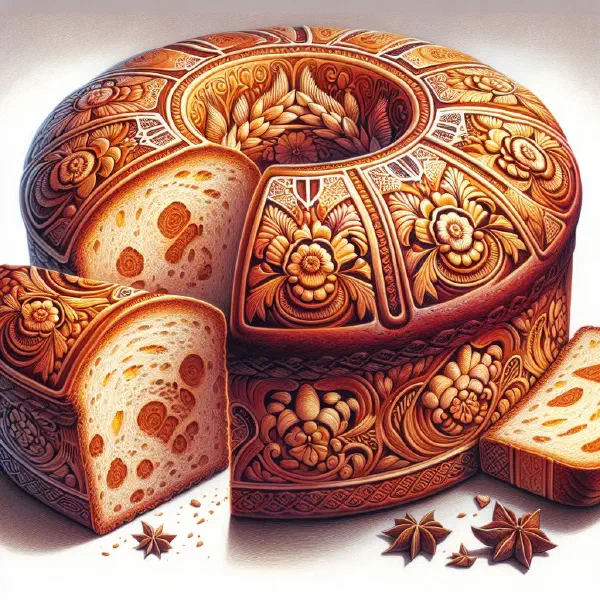
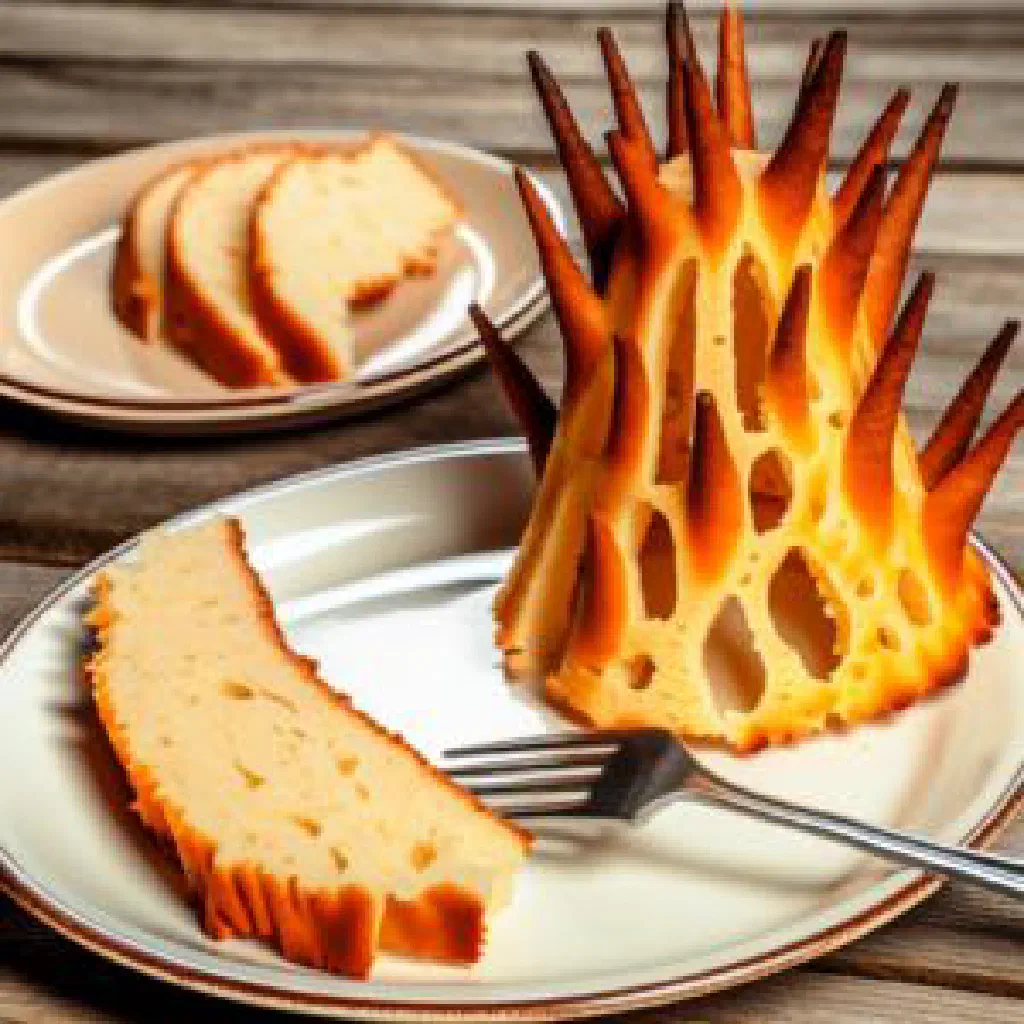
Meet Šakotis, the spectacular spit-baked tree cake that crowns Latvian celebrations. Built up layer by layer from a simple batter of butter, sugar and eggs, it emerges golden and spiky, its jagged branches reaching outwards like a small pine tree. Behind the drama lies a remarkably honest bake: no icing, no filling, just patience and good ingredients. Slice into one and you will understand why no Latvian wedding table feels complete without it.
About Šakotis
Šakotis, also known as tree cake or Baumkuchen, is made from a straightforward but generous mixture of butter, sugar and eggs. The distinctive technique gives the cake its many-layered structure, with spikes that call to mind the branches of a tree. The result is light and airy, and every bite carries a piece of tradition with it. Served warm or enjoyed cold, Šakotis is the kind of bake that wins hearts instantly.
Ingredients (serves 1–2)
- 4 eggs
- 200 g butter
- 200 g sugar
- 200 g plain flour
- 1 tsp baking powder
- 1 tsp vanilla sugar
Shopping for the ingredients
For Šakotis it really matters that every ingredient is of high quality. Choose fresh eggs and good butter, as these two carry most of the flavour. Sugar and flour should be fresh as well, so the cake reaches its best texture and taste. All of these are easy to find in any regular supermarket, often in organic quality too, much the same shopping trip you would make for a batch of Piragi.
Preparing the dish
Making Šakotis takes a little time and patience. Begin by measuring out all your ingredients and setting them within reach, so the process runs smoothly from start to finish. The next step is to prepare a suitable baking tin, ideally a round one, to achieve the cake’s characteristic shape. The heat source should be ready as well, since Šakotis is traditionally baked over an open flame or in the oven.
Step-by-step instructions
- Beat the butter and sugar together in a bowl until the mixture is pale and creamy.
- Add the eggs one at a time, stirring well after each addition.
- Fold in the flour, baking powder and vanilla sugar one after the other to make a smooth batter.
- Pour the batter into the prepared tin and bake gradually over a medium heat, so that it builds up in layers.
- Turn the cake once to keep the structure even, and continue until all the batter has been used.
- Take the finished Šakotis out of the oven and let it cool before serving.
Gluten-free / lactose-free version
If you would rather avoid gluten or lactose, Šakotis works well with gluten-free flour and lactose-free butter. There are plenty of gluten-free flour blends that suit this bake and do not spoil its texture. Plant-based alternatives to butter are worth considering too, though the flavour and consistency may shift slightly. Test your ingredients in advance to get the result just right.
Tips for vegans and vegetarians
Vegans have plenty of alternatives to work with here. Instead of eggs, plant-based egg replacers such as apple purée or banana powder bind the batter perfectly well. Butter can likewise be swapped for a good-quality plant-based margarine. Do check that your sugar is vegan, as some varieties are processed using animal products.
More tips and tricks
The key to Šakotis is slow baking, which is what produces the effect you are after. The heat should be evenly distributed so the cake rises uniformly. Experiment with different aromatics, cinnamon or citrus zest, for example, to give your Šakotis a personal signature. Mind the cooling time as well, so the structure of the cake stays intact.
Adapting the recipe to your taste
The loveliest thing about Šakotis is how readily it adapts. Depending on your taste you can add extra ingredients such as nuts or dried fruit to enrich both texture and flavour. If you like things sweeter, play with the quantity of sugar. The method allows for variation too, so you can shape the cake around your own personal preferences.
Ingredient substitutions
If some of the main ingredients are not to hand, there are various alternatives. In place of plain flour you might use almond flour or coconut flour, both of which add an interesting note. For a lighter option, honey or agave syrup can stand in for sugar, the same sweetener that gives Medus Pirags its character. Substitutions like these bring different flavours into play and may offer health benefits as well.
Drink pairing ideas
Šakotis pairs beautifully with a whole range of drinks. A freshly brewed coffee or a fragrant tea complements the sweetness of the cake perfectly. For something more festive, a glass of sparkling wine or prosecco underlines the sense of occasion, while a chilled glass of Kvass makes a refreshingly traditional match. Try choosing drinks that echo the aromas of the cake for a harmonious result.
Serving and presentation ideas
Presenting Šakotis can be every bit as creative as baking it. The simplest approach is to serve the cake on a handsome cake stand and garnish it with fresh fruit. Edible flowers are another way to catch the eye. Once the cake is cut, the layers and the crumb speak for themselves, which makes the whole display all the more appealing.
A bit of history
The roots of Šakotis reach deep into Latvian culture and tradition. This delicious cake was historically baked over an open fire and showcases the craft of Baltic bakers. It has long played a special role at celebrations, weddings above all. Šakotis is not only a token of hospitality but a symbol of Latvian identity, standing alongside staples such as Rupjmaize at the heart of Latvian cuisine.
More recipe ideas
Summary: Šakotis
Šakotis is far more than a cake; it embodies the rich traditions of Latvia and offers a taste experience unlike any other. With its striking structure and its simple ingredients, this dessert is perfect for any special occasion. The versatility of the recipe invites creative variation to suit every palate. Take inspiration from it and bake a Šakotis of your own. You will not regret it.