National Dish Lebanon: Ashta (Recipe)
In this article
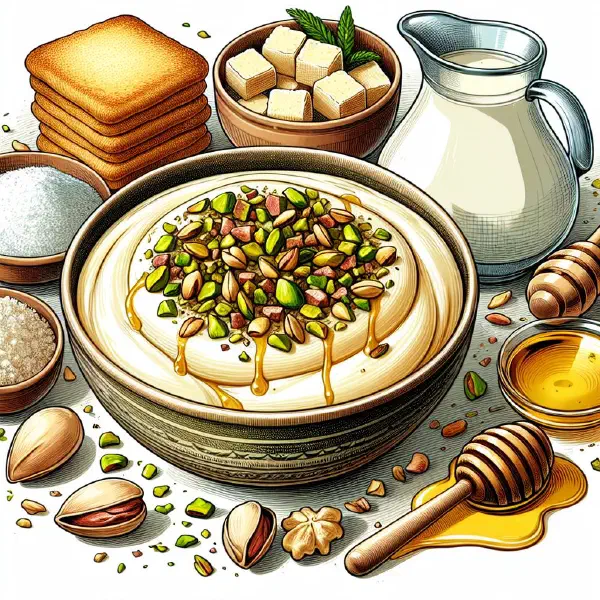
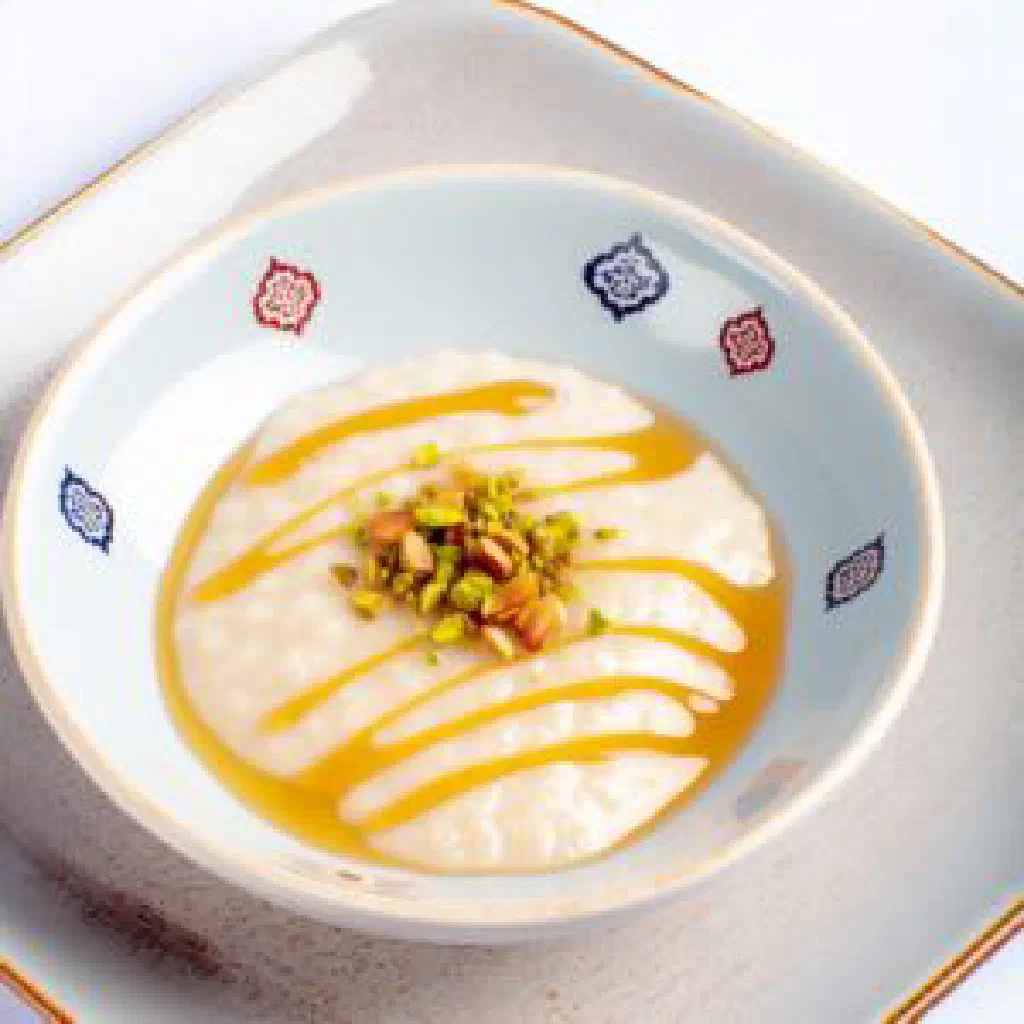
Meet Ashta, the silky Lebanese cream that turns the simplest pudding into something rather special. With its luxuriously smooth texture and gentle floral perfume, it is the heart of countless Middle Eastern sweets, yet it also shines all on its own, crowned with a drizzle of honey and a scattering of nuts. Made from just a handful of everyday ingredients, this gentle, fragrant treat captures the warmth and generosity of Lebanese hospitality in every spoonful.
About Ashta
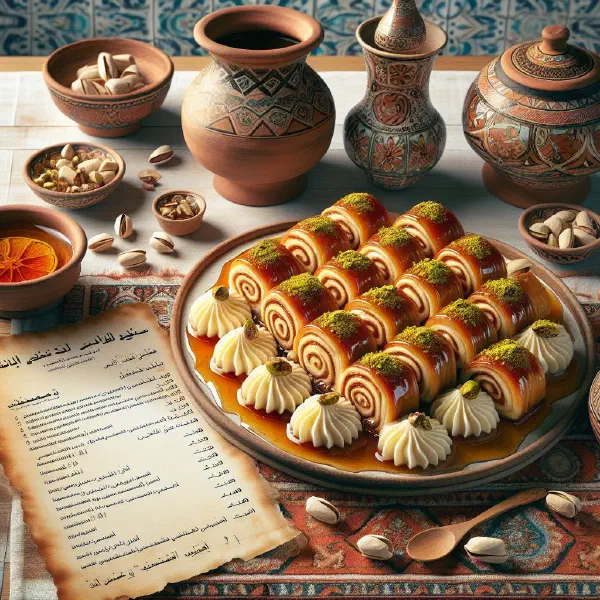
Ashta is a traditional Lebanese clotted cream celebrated as much for its velvety texture as for its delicate, refined flavour. This particular delicacy is often used as a sweet filling in all manner of desserts, or simply served with honey and nuts. Making it calls for only a few ingredients, all of which can be found in any well-stocked kitchen. The combination of long-standing tradition and a wonderfully simple method makes Ashta a much-loved sweet, enjoyed at celebrations and in everyday life alike.
Ingredients (serves 1–2)
- 500 ml whole milk
- 50 g sugar
- 1 sachet vanilla sugar
- 2 tablespoons cornflour
- 1 tablespoon rose water
- 1 pinch of salt
Shopping for the ingredients
When shopping for the ingredients for Ashta, it is well worth paying attention to the quality of what you buy. Fresh whole milk is key to the cream’s smooth consistency, while good sugar gives it that perfect, gentle sweetness. A special word goes to the rose water, as it brings the unmistakable note to this dessert. You can pick it up at Middle Eastern grocers or order it online, but do choose a high-quality bottle to get the very best aroma.
Preparing the dish
Preparing Ashta is straightforward and takes only a few simple steps. First, weigh out and lay out all your ingredients so the whole process runs as smoothly as possible. You will need a saucepan or pot to warm the milk, and it is sensible to have a sieve and a bowl ready for the cooling stage, so the Ashta sets to the right consistency and can be strained if needed.
Step-by-step instructions
- Heat the milk in a pan until it comes to a gentle simmer.
- Add the sugar, vanilla sugar and a pinch of salt, stirring well until the sugar has dissolved.
- In a small bowl, mix the cornflour with a little cold water until smooth.
- Slowly pour the cornflour mixture into the milk, stirring constantly, and let it bubble until the mixture thickens.
- Stir in the rose water until well combined.
- Pour the Ashta into a bowl and leave it to cool before chilling in the fridge to set.
Gluten-free / lactose-free version
A gluten-free version of Ashta is effortless, as the main ingredients are naturally free of gluten. To make the recipe lactose-free, simply swap the whole milk for lactose-free milk or a plant-based alternative such as almond or coconut milk. These variations give you the consistency you are after, and bring their own subtle flavours along with them. That way Ashta stays within reach for many a sweet tooth, whatever their dietary needs.
Tips for vegans and vegetarians
There are plenty of tips for vegans and vegetarians who want to enjoy Ashta. In place of dairy milk, use a plant-based milk, coconut milk gives a particularly creamy result. Swapping the sugar for maple syrup or agave nectar is another easy way to make the dessert suitable for a vegan diet. The rose water stays just as it is, lending the dish its signature flavour and making Ashta a wonderfully versatile and tasty option for everyone.
More tips and tricks
A few handy tips and tricks can help you perfect your Ashta. It is important to stir constantly as it cooks, to stop the mixture catching on the bottom of the pan and to achieve that smooth, creamy texture. Pass it through a sieve to remove any lumps if it has not turned out perfectly smooth. You might also experiment with different additions, such as chopped almonds, pistachios or, for the adventurous, a whisper of warming spice, to ring the changes.
Adapting the recipe to your taste
Adapting the recipe to your taste is one of the real joys of making Ashta. You could add extra sweetness with dried fruit such as figs or dates, which bring a natural sweetness and a little goodness too. If you fancy a more pronounced aroma, play around with different extracts like vanilla or orange blossom water. This opens up endless ways to make the dessert your own and gives every cook room to be creative.
Ingredient substitutions
When making Ashta there are several ingredient substitutions you can call on, depending on what is to hand and what you prefer. In place of sugar you might use honey, which lends the dessert an authentic sweetness much like the syrup-soaked layers of a classic Knafeh. For anyone keen to cut back on sugar, natural sweeteners such as coconut sugar or stevia are good options too. This lets you tailor your Ashta without losing any flavour or quality.
Drink pairing ideas
A whole host of drinks pairs beautifully with a serving of Ashta, rounding out the experience. A traditional Lebanese coffee or a refreshing peppermint tea works wonderfully to balance the dessert’s sweetness. For something lighter, a fruity citrus cooler or a pomegranate-based drink makes a lovely match. These pairings create a harmonious whole and lift the dessert to another level entirely.
Serving and presentation ideas
A thoughtful presentation can elevate the whole Ashta experience. Serve it in small, elegant bowls or glasses and decorate with freshly chopped nuts, mint or a generous drizzle of honey. A touch of rose petals or other edible flowers adds a stylish flourish too. Finishing touches like these look the part and echo the aromas and the deep tradition behind the dish, much as you would find across the wider world of Lebanese cuisine.
A bit of history
A little history reveals how Ashta mirrors the rich culinary heritage of Lebanon. Far more than a simple dessert, it is woven into Lebanese culture, often tied to festive occasions and celebrations. The story of this dish reaches deep into Arab food traditions and can be found, in countless variations, throughout the countries of the Middle East. It is a symbol of hospitality, frequently served to guests, which makes Ashta an emblematic part of the Lebanese kitchen.
More recipe ideas
Summary: Ashta
This summary shows that Ashta is an absolute must for anyone with a love of sweet things. With a few simple ingredients and just a handful of steps, you can create a creamy, delicious dessert that is both traditional and endlessly adaptable. Whether tucked into pastries as a filling or enjoyed plain with honey, Ashta wins everyone over with its incomparable flavour and its remarkable versatility. Savour this heavenly treat and discover the wonderful variety of Lebanese cooking for yourself.