National Dish Lebanon: Baked Kibbeh (Recipe)
In this article
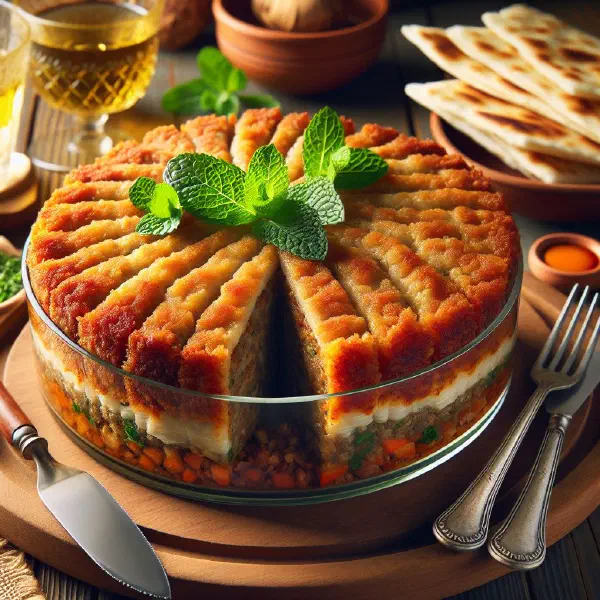
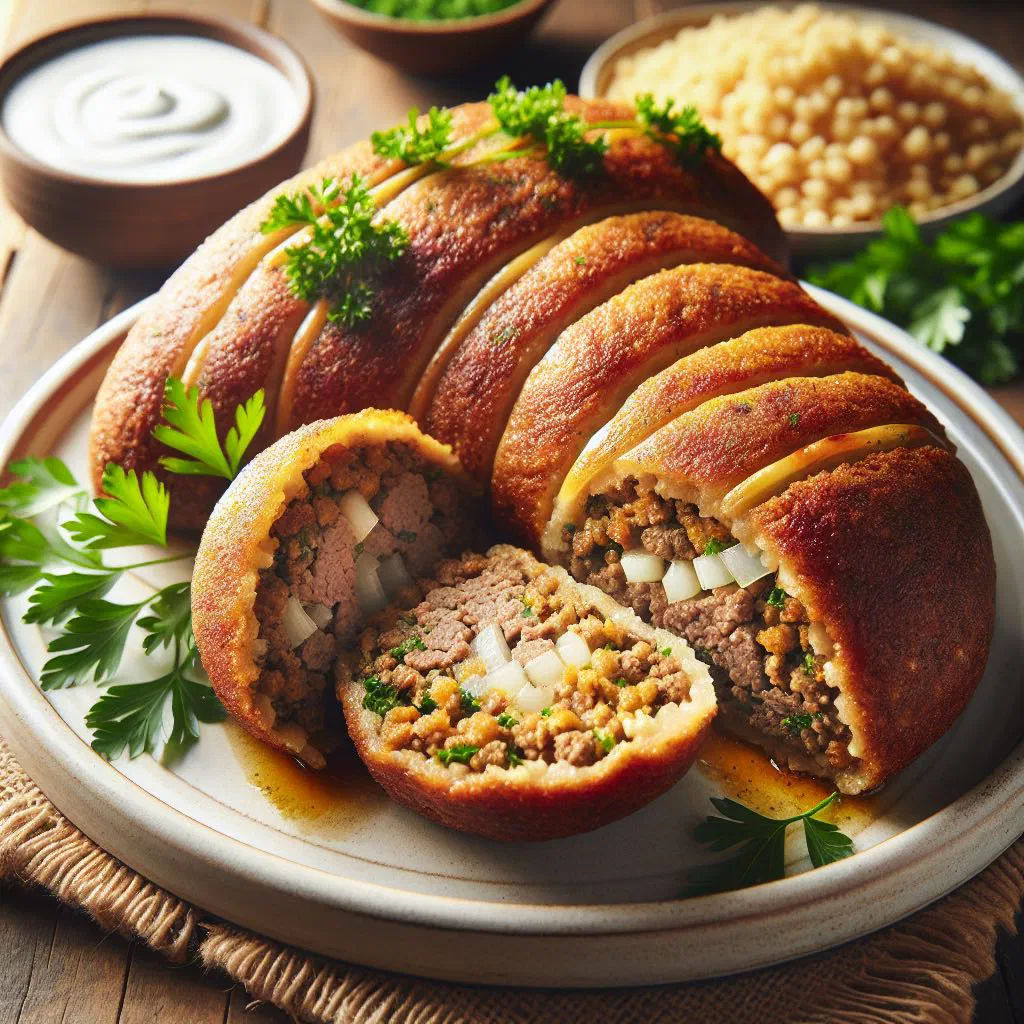
Discover Baked Kibbeh, the dish many regard as Lebanon’s national treasure. This hearty bake brings together fine bulgur wheat, well-seasoned minced meat and a fragrant blend of warming spices, all topped off with a golden, crisp finish. It delivers a wonderful balance of savoury flavour and satisfying texture, making it equally at home at a festive gathering or a relaxed family supper. Bring the rich aromas of the Levant straight to your own kitchen.
About Baked Kibbeh
Baked Kibbeh is a traditional Lebanese dish that is often described as the country’s national favourite. At its heart lies a delicious blend of fine bulgur wheat, minced meat and aromatic spices, all of which come together to create a truly distinctive eating experience cherished across the Middle East. The dish is full of flavour and wonderfully nourishing, offering a fine balance between protein and carbohydrates. Layered and baked until golden, it is a dish that rewards both cook and guest alike.
Ingredients (serves 1–2)
- 150 g fine bulgur
- 300 g minced beef or lamb
- 1 onion, finely chopped
- 1 teaspoon cinnamon
- 1 teaspoon cumin
- 2 tablespoons pine nuts
- 2 tablespoons olive oil
- Salt and pepper, to taste
- Fresh parsley, to garnish
Shopping for the ingredients
When shopping for baked kibbeh, it is well worth paying attention to the quality of the meat. Fresh, good-quality beef or lamb mince makes all the difference to the final flavour. The bulgur should be fresh too, as older bulgur loses both its taste and its texture. Many of the ingredients, such as the spices and the pine nuts, are easy to find in a well-stocked supermarket or at a Middle Eastern grocer.
Preparing the dish
Before you begin making baked kibbeh, gather and prepare all of your ingredients so the process runs smoothly. The bulgur needs to be soaked in warm water until soft, which makes it far easier to work with. While it soaks, you can chop the onions and measure out the spices. Good preparation keeps everything moving at a relaxed pace and reduces the risk of overlooking an ingredient along the way.
Step-by-step instructions
- Soak the bulgur in warm water for at least 30 minutes, then drain well.
- Heat the olive oil in a pan and sauté the onions until translucent.
- Add the minced meat, brown thoroughly and season with cinnamon, cumin, salt and pepper.
- Stir the pine nuts through the meat and leave the mixture to cool.
- Combine the soaked bulgur with the cooled meat and knead well until evenly blended.
- Grease an ovenproof dish and spread half of the kibbeh mixture across the base.
- Add the remaining mixture on top, smooth it over and brush with olive oil.
- Bake in a preheated oven at 180°C for around 30 minutes, until the surface is golden brown.
Gluten-free / lactose-free version
If you would like to make baked kibbeh gluten-free, you can swap the bulgur for gluten-free quinoa. This alternative gives a similar consistency and tastes excellent. For a lactose-free version, simply make sure no dairy products are used, which is naturally the case with this recipe. Using a good-quality olive oil also makes the dish a little healthier while keeping it entirely lactose-free.
Tips for vegans and vegetarians
For a vegan or vegetarian take on baked kibbeh, you can easily replace the minced meat with a mixture of chickpeas, walnuts and vegetables. This brings a lovely texture to the dish and plenty of wholesome nutrients. Spices play a crucial role here, so do not hesitate to experiment with different aromas. That way you can be sure that vegans and vegetarians can enjoy this delicious dish too, much as they would a plate of Loubiyeh bil Zeit.
More tips and tricks
A key tip for making baked kibbeh is to let the bulgur soak long enough so it reaches the right consistency and the dish holds its shape beautifully. Be sure to knead the mixture thoroughly so the ingredients bind together well. If you would like to get ahead, you can also freeze the assembled dish and bake it later. This saves time and means you always have a tasty option close to hand.
Adapting the recipe to your taste
The wonderful thing about baked kibbeh is just how adaptable it is. You can use different kinds of meat, such as chicken or even fish, to create new flavours. The spices can be varied to taste as well, letting you play with the intensity of the seasoning. This makes it easy to tune the dish exactly to your own preferences and to keep experimenting with each new bake.
Ingredient substitutions
If you are looking for creative alternatives when choosing your ingredients for baked kibbeh, it is well worth swapping the pine nuts for almonds or sunflower seeds. These nuts and seeds are more affordable and lend the dish a different yet equally delicious note. You can also add herbs such as mint or dill for a fresh lift, the same brightness that shines in a bowl of Tabbouleh bi Burghul. Be bold and try out different combinations.
Drink pairing ideas
A range of refreshing drinks pairs beautifully with baked kibbeh and complements its rich aroma. A classic Lebanese tea or a glass of mint tea is an excellent choice. Non-alcoholic cocktails with citrus fruits also work wonderfully and round off the eating experience.
Serving and presentation ideas
The way you present baked kibbeh can greatly enhance the whole meal. Serve the dish in an attractive, generously sized ovenproof dish and garnish it with fresh parsley or a spoonful of yoghurt. Green and black olives also make a lovely decoration, bringing colour contrast and freshness to the plate. An appealing presentation will impress your guests and turn the meal into something truly special, especially as part of a mezze spread alongside a creamy Baba Ghanouj bi Lahme.
A bit of history
Baked Kibbeh has a long and fascinating history that reaches all the way back to antiquity. The origins of the dish lie in present-day Lebanon, and it is held in high regard as part of the wider Arab culinary tradition. It is often served at festive occasions and on holidays, which underlines its cultural significance. Over the years the recipe has continued to evolve and has become hugely popular in the Western world too, taking its place among the classics of Lebanese cuisine.
More recipe ideas
Summary: Baked Kibbeh
Baked Kibbeh brings together traditional flavours and nourishing ingredients to create a tasty dish that brings joy on special occasions and everyday meals alike. The adaptability of the recipe means it can accommodate a whole range of tastes and diets, making it an outstanding choice for any kitchen. Be bold, make this dish yourself, and immerse yourself in the deep, fragrant flavours of Lebanon.