National Dish Lebanon: Batenjen Raheb (Recipe)
In this article
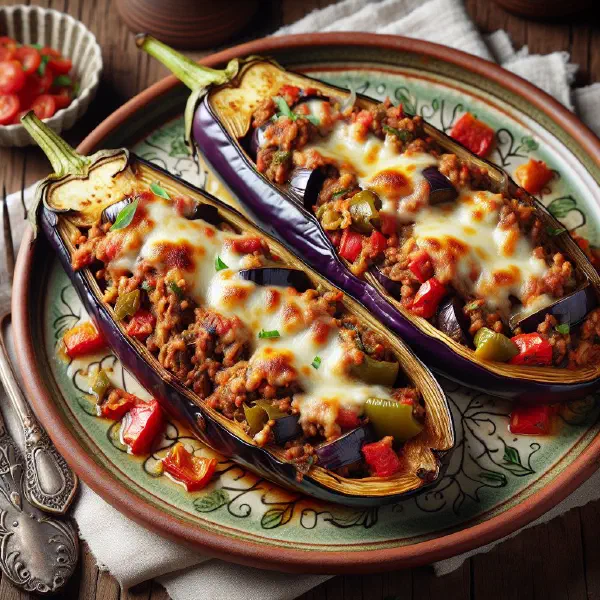
Discover Batenjen Raheb, a wonderfully hearty dish that captures the soul of the Lebanese table. Tender aubergine halves are filled with a fragrant mixture of vegetables, warming spices and your choice of mince or chickpeas, then baked until meltingly soft. It is a true celebration of Levantine flavour, generous, comforting and endlessly adaptable, and a particular joy for anyone who loves vegetarian cooking. Bring a little of the eastern Mediterranean straight to your own kitchen.
About Batenjen Raheb
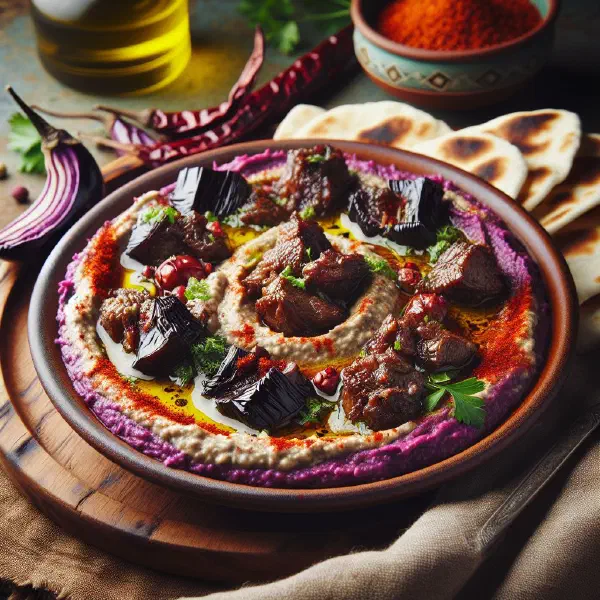
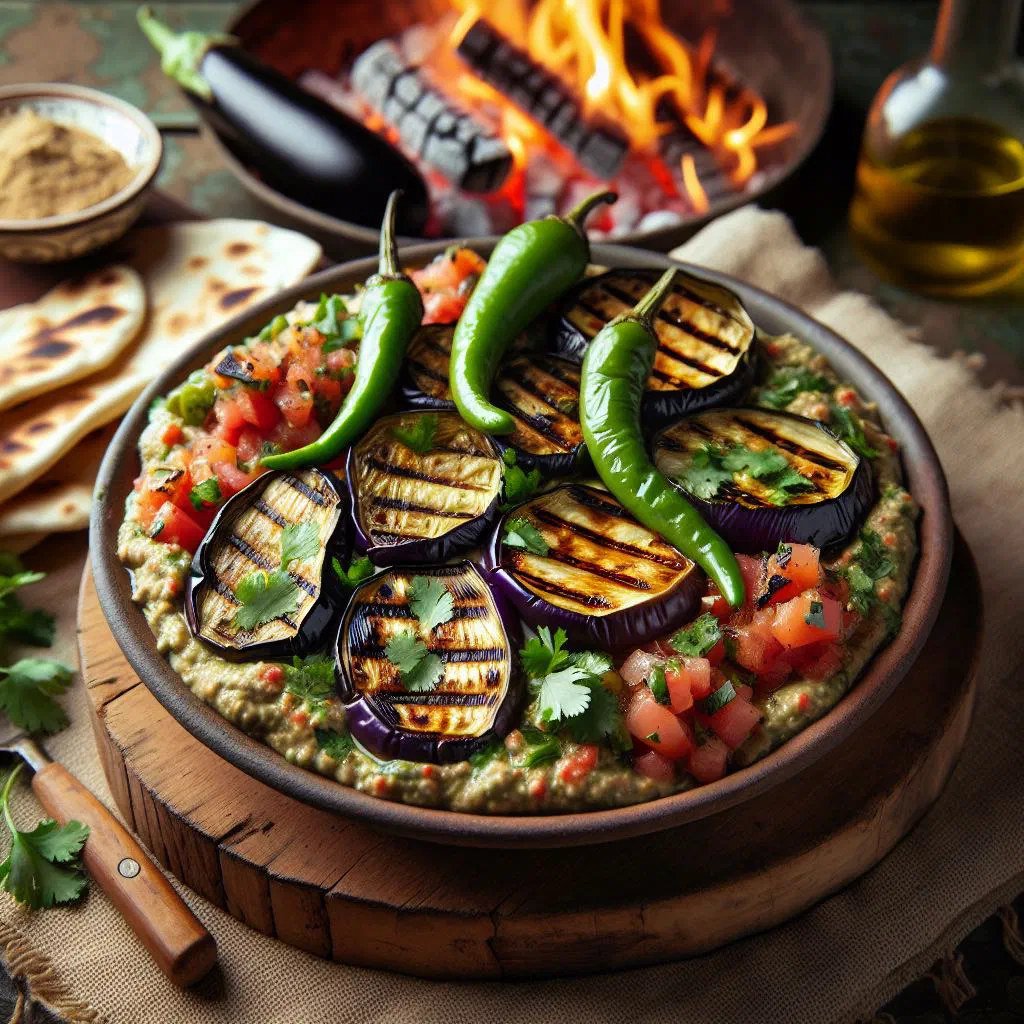
Batenjen Raheb is a delicious and hearty dish with deep roots in Lebanese cooking. Its star ingredient, the aubergine, is lovingly stuffed with a blend of aromatic spices, vegetables and sometimes rice or meat. For vegetarians it is delicious and a nourishing and wholesome choice, much like the smoky aubergine salad Rahib that shares its love of this versatile vegetable.
Ingredients (serves 1–2)
- 2 large aubergines
- 1 onion, diced
- 2 cloves of garlic, chopped
- 200g minced meat or chickpeas (for the vegetarian option)
- 1 small tomato, diced
- 1 tsp cumin
- 1 tsp paprika
- Olive oil
- Fresh parsley, to garnish
- Salt and pepper to taste
Shopping for the ingredients
When shopping for Batenjen Raheb, it is important to choose fresh aubergines that feel firm and look glossy. Make sure the skin is free of soft spots and blemishes. If you opt for the vegetarian version, tinned chickpeas make preparation even easier. The remaining ingredients, spices and fresh vegetables, should also be of the best quality to bring out the full flavour of the dish.
Preparing the dish
Preparing Batenjen Raheb is straightforward and takes very little time. First, halve the aubergines lengthways and carefully scoop out the flesh to make room for the filling. The scooped-out flesh can be used in the filling itself, lending the dish extra texture and flavour. Make sure you have all your ingredients ready before you start cooking so the whole process runs smoothly.
Step-by-step instructions
- Fry the aubergine halves in a pan with a little olive oil until lightly golden.
- In a separate pan, sauté the minced meat or chickpeas with the onion, garlic and spices.
- Add the diced aubergine flesh and the tomatoes, mixing everything together well.
- Spoon the mixture into the aubergine halves and bake at 180°C for about 30 minutes.
- Garnish with fresh parsley and serve hot.
Gluten-free / lactose-free version
Batenjen Raheb is naturally gluten-free and can easily be made lactose-free. Simply avoid any lactose-containing sides or sauces. Many Lebanese recipes use no cream or other dairy at all, so you can enjoy a light, wholesome dish with confidence. It is ideal for anyone with food intolerances or for those who prefer a healthier style of eating.
Tips for vegans and vegetarians
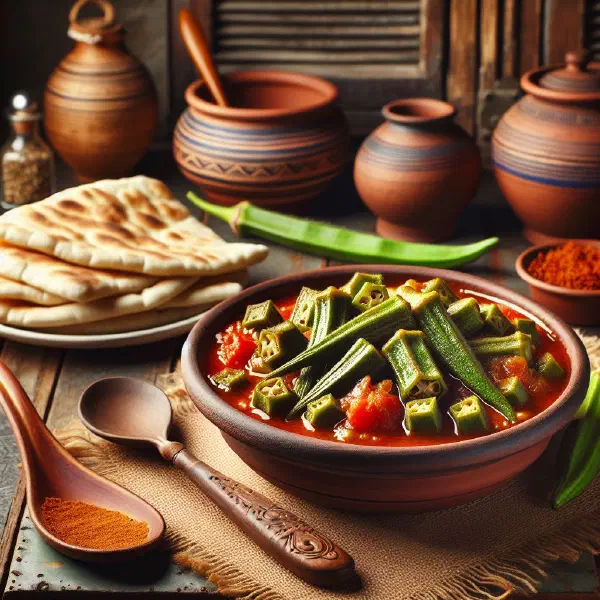
For vegans, the recipe is easily adapted by swapping the minced meat for chickpeas, lentils or another plant-based protein. These alternatives deliver valuable nutrients while keeping the dish every bit as delicious. Be sure to use stock and oil from plant sources to keep the dish completely vegan. With the right spices and fresh vegetables, the meat-free version of Batenjen Raheb will be a hit on any table. Just like the classic vegetarian green-bean stew Loubiyeh bil Zeit.
More tips and tricks
To get the very best from your Batenjen Raheb, it is worth salting the aubergines beforehand and leaving them to rest for around 30 minutes. This helps to draw out any bitterness and softens them for cooking. Another good tip is to adjust the filling to your own taste by adding extra spices or vegetables. This dish is easy to shape around your preferences.
Adapting the recipe to your taste
The filling for Batenjen Raheb is very easy to vary. Add mushrooms, spinach or other vegetables, for example, to give the dish a different character. The spices can be changed too, depending on what you like. Experiment with herbs such as thyme or mint for a fresh note. Every time you cook it, you can offer a new flavour experience to please the palate.
Ingredient substitutions
If you are not keen on aubergines, you can use courgettes instead. They are equally light and lend themselves well to stuffing, as in the classic Kousa Ablama. In place of minced meat, try tofu or quinoa to create a protein-rich vegan version. The spice options are endless, and you can also experiment with traditional Lebanese spice blends to discover new aromas that suit your personal taste.
Drink pairing ideas
Lebanese wines pair beautifully with Batenjen Raheb and bring out the flavour of the dish. If you prefer something non-alcoholic, try minty lemon water or a pomegranate-based juice for a refreshing combination. A yoghurt drink such as laban is another perfect partner, gently softening the warmth of the spices.
Serving and presentation ideas
Presentation is key to making Batenjen Raheb even more appealing. Serve the stuffed aubergines on a large plate and garnish with fresh parsley and a squeeze of lemon juice to lift the colours. You might also offer yoghurt-based dips or a fruity salsa on the side, much as you would alongside a platter of Tabbouleh bi Burghul. We eat with our eyes first, and an inviting presentation turns any meal into something special.
A bit of history
Batenjen Raheb is a traditional Lebanese dish often served on festive occasions. Aubergines are a key ingredient in Middle Eastern cooking, their use stretching back centuries. The dish brings together both local culture and the modern culinary influences that shape Lebanese gastronomy. Ingredients and methods can vary from region to region, reflecting the country’s rich cultural heritage and the wider story of Lebanese cuisine.
More recipe ideas
Summary: Batenjen Raheb
In short, Batenjen Raheb is a wonderful dish that is both tasty and wholesome. With its blend of aubergines, a spiced filling and warming eastern spices, it brings a piece of Lebanese tradition to your table. This recipe is an excellent way to impress your guests or family at a special meal. It is easy to make and wonderfully adaptable, which makes it a versatile choice in any kitchen.