National Dish Lebanon: Beid bi Awarma (Recipe)

In this article
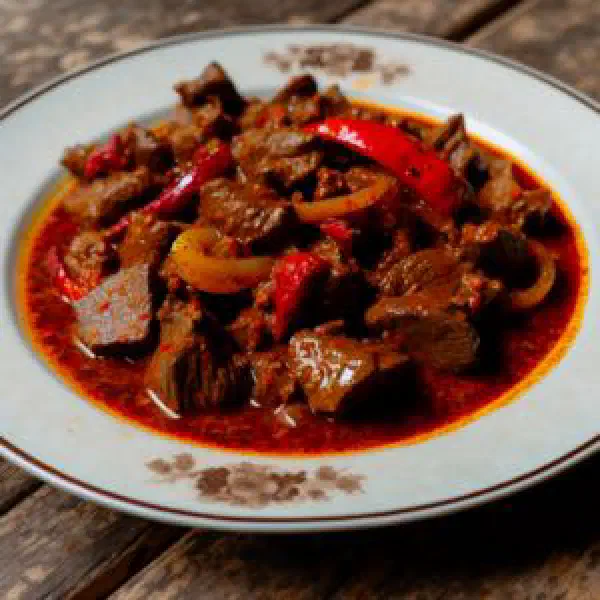
Meet Beid bi Awarma, a wonderfully homely dish from the Lebanese kitchen that brings together tender, spiced meat and softly set eggs. Warmed through with cumin and paprika and finished with a tangle of fresh herbs, it is the kind of comforting plate that suits a lazy weekend breakfast just as well as a generous family lunch. Torn pieces of warm flatbread are all you need to scoop up every last bite and bring a taste of Lebanon to your own table.
About Beid bi Awarma
Beid bi Awarma is a delicious dish from the Lebanese kitchen that unites traditional flavours with a satisfying combination of meat and eggs. Tender, well-seasoned pieces of meat are cooked in an aromatic base before the eggs are added, giving the dish a creamy texture and real depth of flavour. The perfectly set eggs sit at the heart of the recipe, and it is often served with freshly baked flatbread. It is an excellent choice for everyday family meals and for special occasions when you want to bring friends and loved ones together.
Ingredients (serves 1–2)
- 200 g lamb or beef, cut into small pieces
- 2 large eggs
- 2 tablespoons olive oil
- 1 onion, finely chopped
- 1 teaspoon garlic, chopped
- 1 teaspoon cumin
- 1 teaspoon paprika
- Salt and pepper to taste
- Fresh flatbread, to serve
Shopping for the ingredients
When shopping for beid bi awarma, take care to choose good-quality meat that is fresh and, ideally, from a local source. The spices play an important role, so it is worth reaching for fresh products to guarantee the dish’s authentic taste. You can find many of the specialist ingredients in a Lebanese grocery or a well-stocked supermarket. Don’t forget to pick up some fresh flatbread too, which pairs perfectly with this dish.
Preparing the dish
Before you start cooking Beid bi Awarma, it is important to get all the ingredients ready. Begin by cutting the meat into small, even pieces, which ensures it cooks through evenly and lets the spices penetrate well. Chop the onion and garlic too, ready to soften in the pan later on. Make sure your spices are measured out and within reach so you can add them quickly as you cook.
Step-by-step instructions
- Heat the olive oil in a pan over a medium heat.
- Add the chopped onion and fry until golden brown.
- Stir in the garlic and cook briefly.
- Add the meat to the pan and brown it well on all sides.
- Season the meat with cumin, paprika, salt and pepper, and mix everything together thoroughly.
- Reduce the heat and let it simmer for a few minutes until the meat is tender.
- Make two wells in the meat and crack an egg into each one.
- Cover the pan and let the eggs cook until the whites have just set.
- Serve the dish hot, alongside fresh flatbread.
Gluten-free / lactose-free version
To make Beid bi Awarma gluten-free, swap the flatbread for a gluten-free loaf or simply serve the dish without bread. A lactose-free version is easy too, as the recipe relies on olive oil rather than butter, and if you wish you can use a plant-based egg alternative in place of the eggs. These adjustments make the dish suitable for those with particular dietary needs without compromising on flavour. It stays just as nourishing and delicious as the original.
Tips for vegans and vegetarians
For a vegan or vegetarian take on Beid bi Awarma, the meat can be replaced with a combination of tofu or seitan, both of which have a similar texture and soak up the spices beautifully. Instead of eggs, mix plain chickpea flour with water to make a batter that you can fry in the pan, much like the chickpea-based goodness in hummus. This way, anyone following a plant-based diet can still enjoy the unmistakable flavours of Lebanese cooking.
More tips and tricks
A successful Beid bi Awarma comes down to good timing and the right temperature. Keep the heat steady while you cook to avoid any scorching. The cooking time for the meat can vary depending on the cut, so it is worth testing it as you go to reach the tenderness you are after. Feel free to experiment with different spices to tailor the dish to your own taste and discover new flavour combinations.
Adapting the recipe to your taste
The flexibility of Beid bi Awarma offers plenty of room for adaptation. You can add extra vegetables such as peppers or spinach to make the dish healthier and more colourful. The spicing is open to variation too. Try a pinch of cinnamon for a gentle sweetness or a little chilli for some heat.
Ingredient substitutions
If you don’t have certain ingredients to hand, they are easy to swap. Chicken, for instance, can be used in place of lamb or beef to make the dish a little lighter, much as it features in Riz ala Djej. You can also adjust the spices to your liking; sometimes a simple seasoning of salt and pepper is all you need, especially if you prefer a milder version. It is well worth experimenting with different combinations to find your own favourite take on Beid bi Awarma.
Drink pairing ideas
Beid bi Awarma goes beautifully with traditional Lebanese drinks such as a fresh mint tea or ayran, a yoghurt drink that harmonises perfectly with the savoury flavours. For wine lovers, a light, fruity white wine complements the dish’s spices, while a sparkling drink can offer a refreshing contrast. This range of options rounds off the meal nicely and is sure to keep your guests happy.
Serving and presentation ideas
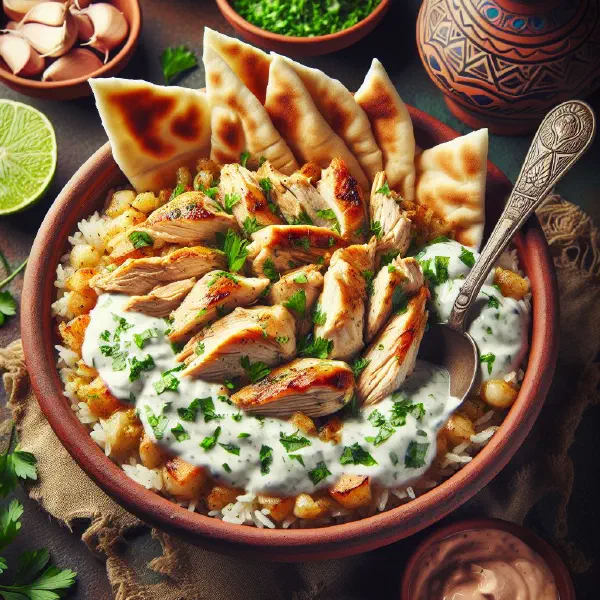
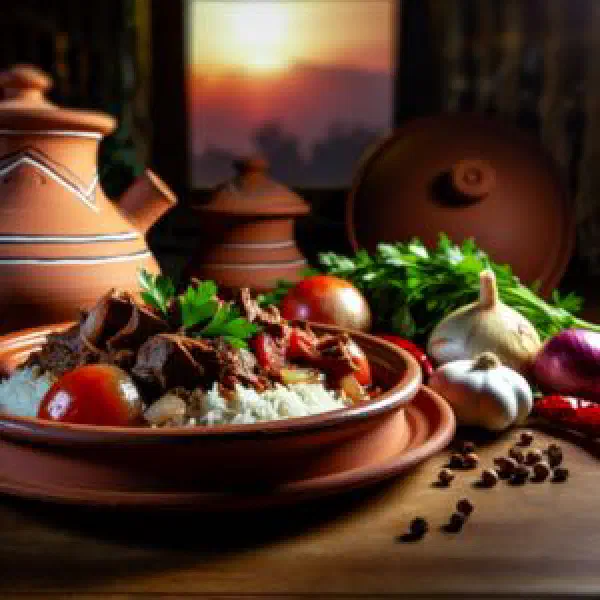
The way you present Beid bi Awarma can greatly enhance the pleasure of eating it. Serve the dish in a large, colourful bowl with fresh flatbread and a handful of herbs such as parsley or coriander. This creates an inviting atmosphere and whets the appetite. You might also drizzle the dish with a little olive oil and garnish it with lemon wedges to add an extra touch of freshness, much like the bright finish that lifts a plate of Tabbouleh bi Burghul.
A bit of history
Beid bi Awarma has its origins in the Lebanese kitchen and reflects the culinary traditions of the region. Historically, dishes like this have been seen as honest home cooking, often handed down from one generation to the next. The combination of simple, fresh ingredients is characteristic of Lebanese cuisine and shows how flavours can work together in harmony. By sharing dishes like these, cultures and traditions are kept alive, offering a connection to the roots of Lebanese gastronomy.
More recipe ideas
Summary: Beid bi Awarma
In short, Beid bi Awarma is a delicious dish and a wonderful way to enjoy the flavours of Lebanon. The combination of juicy meat and perfectly cooked eggs makes for a memorable taste experience. Ideal for sociable gatherings and family meals, this dish brings the warmth of Lebanese hospitality straight to your table. Let the aromas tempt you and savour this traditional favourite.