National Dish Lebanon: Falafel (Recipe)
In this article
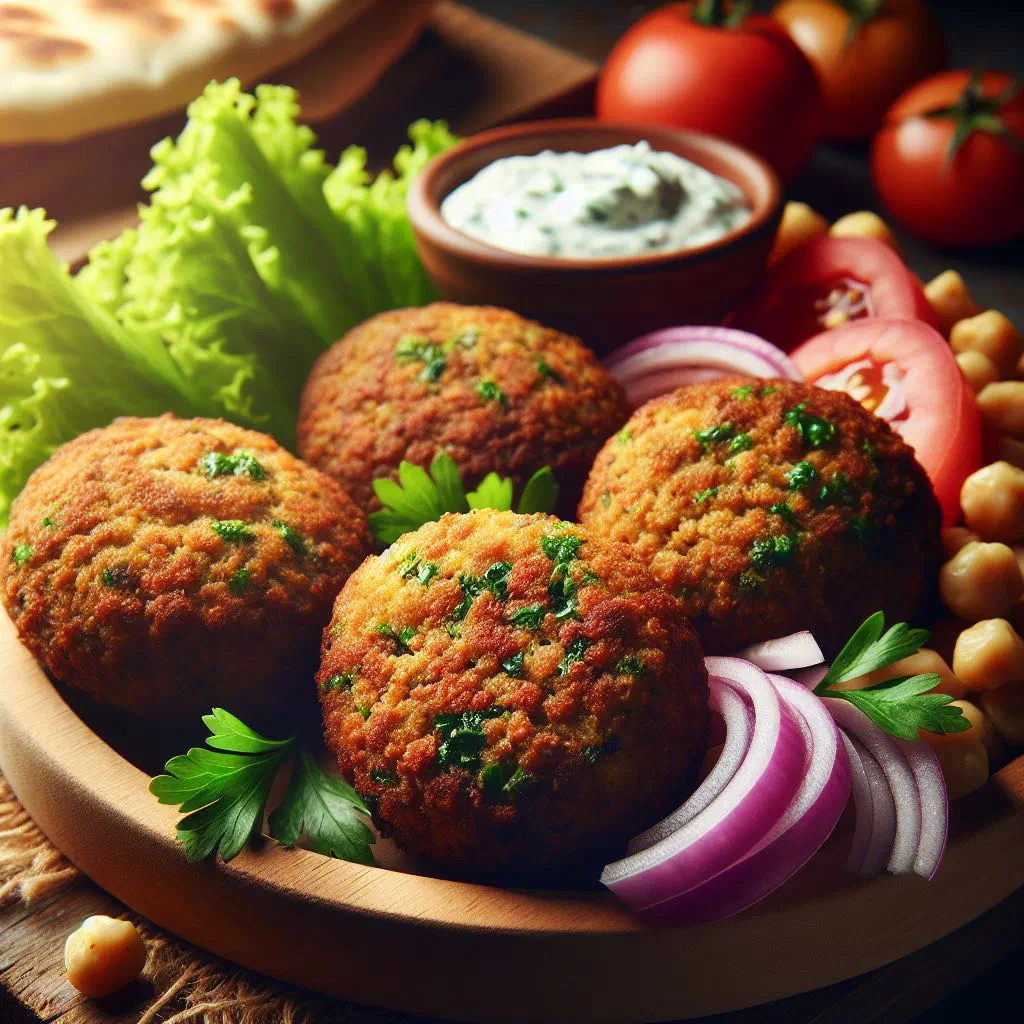
Few dishes capture the warmth of Lebanese cuisine quite like falafel. These little deep-fried chickpea balls are crisp on the outside, fragrant and tender within, and beloved far beyond the Middle East. Spiced with cumin and coriander and flecked with fresh herbs, they offer a brilliant way to bring plant-based protein to the table. Tuck them into a wrap, scatter them over a salad or simply enjoy them on their own, falafel are a vegan treat that wins everyone over.
About Falafel
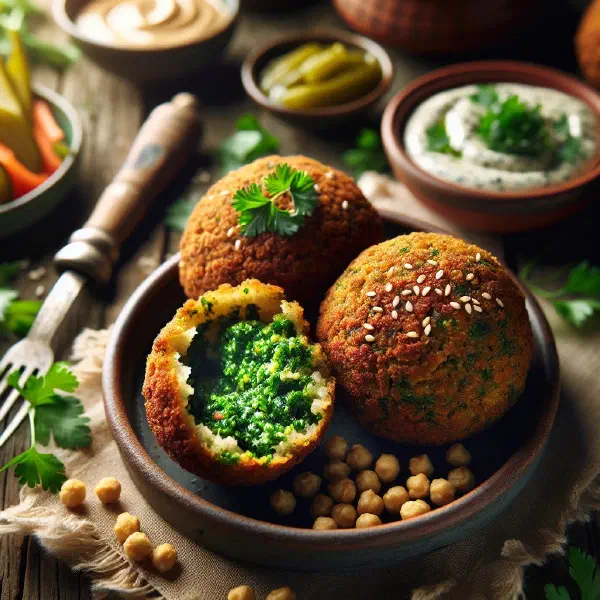
Falafel are among the great icons of Lebanese cuisine, prized for their bold flavour and their wonderful versatility. At their heart lies a coarse purée of chickpeas mingled with onion, garlic, fresh herbs and warming spices, shaped into small balls and fried until deep golden. Crunchy on the outside and soft within, they are a hugely popular street snack across Lebanon and a firm international favourite. Falafel turn any meal into something memorable.
Ingredients (serves 1–2)
- 250 g dried chickpeas
- 1 small onion
- 2 cloves of garlic
- 1 teaspoon ground cumin
- 1 teaspoon ground coriander
- Fresh parsley or coriander
- Salt and pepper, to taste
- Oil, for deep-frying
Shopping for the ingredients
When shopping for the ingredients for falafel, it really pays to focus on the quality of the chickpeas. Dried chickpeas are the best choice. They are cheaper than tinned and deliver far more flavour and the right firm texture. Make sure your spices, especially the cumin and coriander, are fresh so their aroma comes through at its fullest. You can also decide whether to reach for fresh herbs or dried, depending on what you have to hand.
Preparing the dish
To make truly delicious falafel, good preparation makes all the difference. The chickpeas need to soak in plenty of cold water for at least 12 hours before you begin. This softens them enough to blitz into a paste and also makes them easier to digest. While the chickpeas soak, you can get ahead by peeling and chopping the onion and garlic, which speeds everything up once you are ready to cook.
Step-by-step instructions
- Drain the soaked chickpeas thoroughly, then tip them into a food processor with the onion, garlic, spices and herbs.
- Blitz the mixture to a coarse paste and season well with salt and pepper.
- Shape the mixture into small balls and set them out on a plate.
- Heat the oil in a deep pan and fry the balls until golden brown all over.
- Lift out the finished falafel, drain on kitchen paper and serve warm.
Gluten-free / lactose-free version
Falafel are naturally gluten-free and lactose-free, which makes them a brilliant choice for those with intolerances. Just take care that any accompaniments you serve alongside are gluten-free too, if that matters for your diet. Sides such as rice or quinoa work beautifully and keep the whole plate free of gluten. For presentation, lean on naturally suitable extras like a fresh salad or a bowl of Rahib, both of which sit happily within a gluten- and lactose-free meal.
Tips for vegans and vegetarians
For vegans and vegetarians, falafel are an excellent source of protein. The combination of chickpeas and fresh herbs delivers plenty of valuable nutrients, and you can tweak the paste as you please by folding in extra vegetables or spices. Strict vegans should simply double-check that every ingredient is genuinely plant-based, paying particular attention to the oil used for frying if you reach for an unusual variety.
More tips and tricks
A few simple tricks will help you take your falafel up a notch. Let the mixture rest in the fridge for around 30 minutes before frying so the flavours have time to deepen and the balls hold together more easily. Avoid crowding the pan with too much oil, which can lead to soggy, over-fried results. You can also enrich the mix with spice blends you may already have in the cupboard. Be playful and experiment with the aromatics until they suit you perfectly.
Adapting the recipe to your taste
When you make falafel, the recipe is wonderfully easy to bend to your own preferences. Add more spice for a fierier version, or experiment with different herbs such as mint or thyme to discover fresh flavour combinations. You can vary the size of the balls too, small ones for nibbles and canapés, larger ones to serve as a more substantial main. The more you experiment, the better your falafel will become.
Ingredient substitutions
If you do not have every ingredient to hand, plenty of alternatives work nicely. In place of chickpeas you can use black beans, which are just as firm and full of flavour, while lentils lend their own distinctive taste. Cool accompaniments such as yoghurt or guacamole make optional but welcome partners. The herb-forward freshness here echoes the spirit of Tabbouleh bi Burghul, so be creative and make the most of whatever you have.
Drink pairing ideas
A whole range of drinks pairs beautifully with falafel. A refreshing mint water is an ideal match, complementing the spices and carrying a hint of the Levant. Pomegranate juice or a tangy lemon-based cooler also work well, underlining the flavour of the little balls. And if you would rather have something with a touch of alcohol, a light white wine or a fruity rosé makes a lovely accompaniment.
Serving and presentation ideas
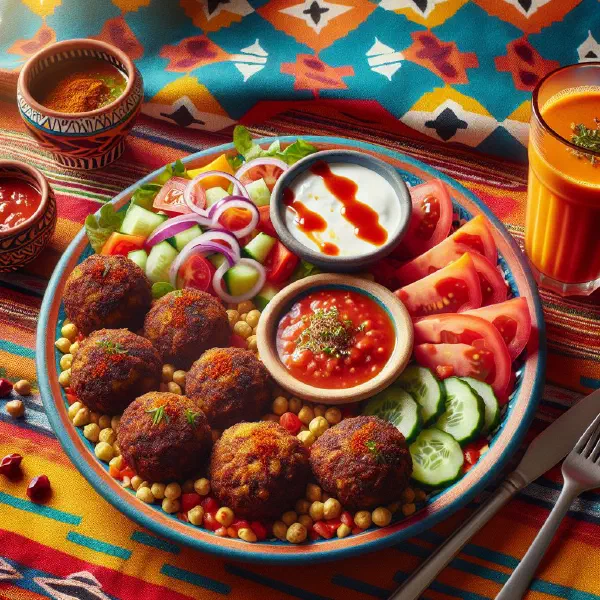
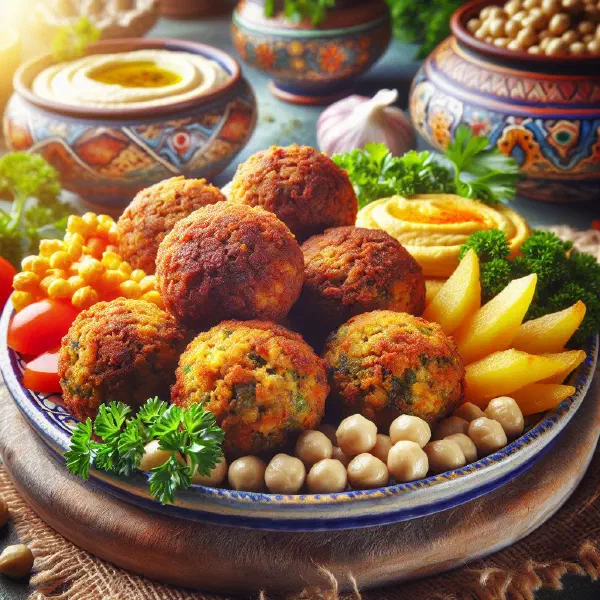
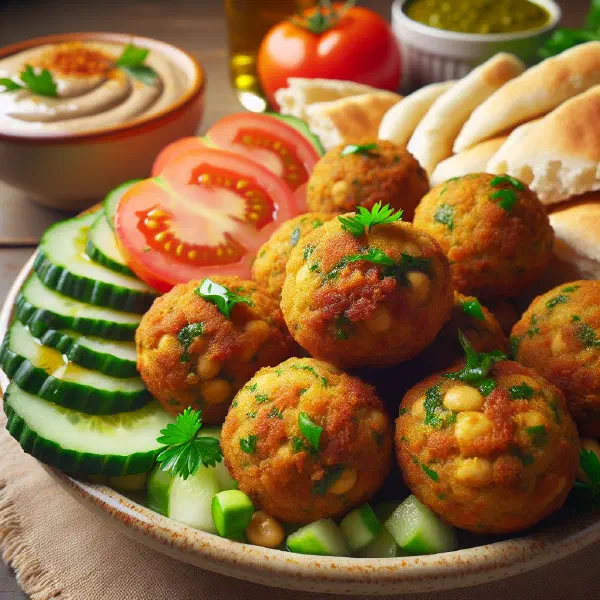
Thoughtful presentation can lift the pleasure of falafel considerably. Arrange the balls on a flat platter and garnish with fresh herbs such as parsley or coriander. Little bowls of dips, hummus or tahini, add both a visual flourish and an extra layer of flavour. Surround everything with colourful vegetables and salads to enrich the spread and make the dish a real centrepiece. A side of Loubiyeh bil Zeit rounds out a generous table beautifully.
A bit of history
Falafel have a long and fascinating history reaching back to ancient Egypt. Originating there, the recipe spread across the Arab world and is today counted among the proudest dishes of Lebanese cuisine. Variations now appear all over the globe, and falafel have become one of the world’s best-loved street foods. Their success owes much to their versatility and unmistakable flavour, which have pleased generations of food lovers.
More recipe ideas
Summary: Falafel
In short, falafel are a delicate and nourishing dish that is as delicious as it is simple to prepare. They offer a wonderful way to bring the flavours of Lebanese cuisine into your own kitchen. With their many possible variations and their ease of adapting to personal taste, they suit a huge range of diets. Falafel simply pleasure every palate.