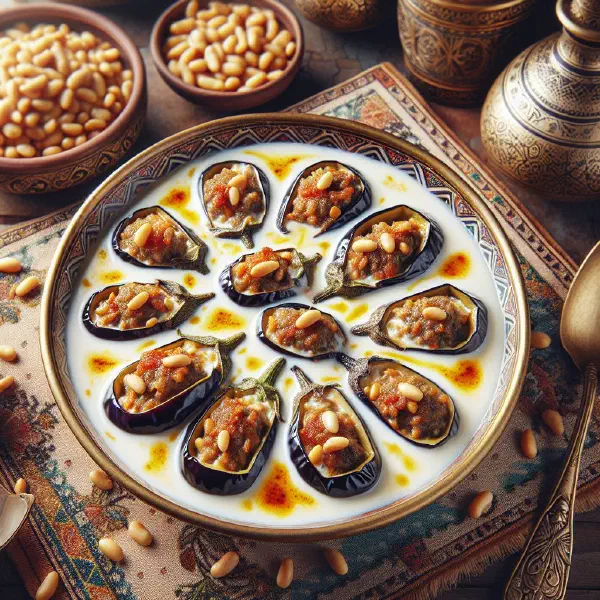
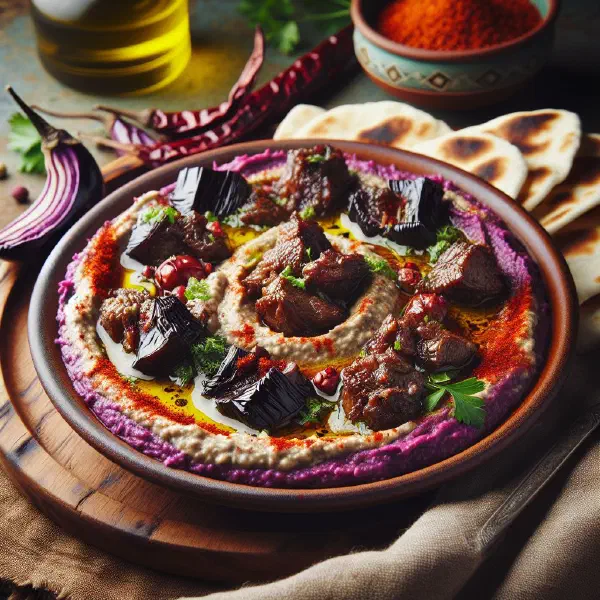
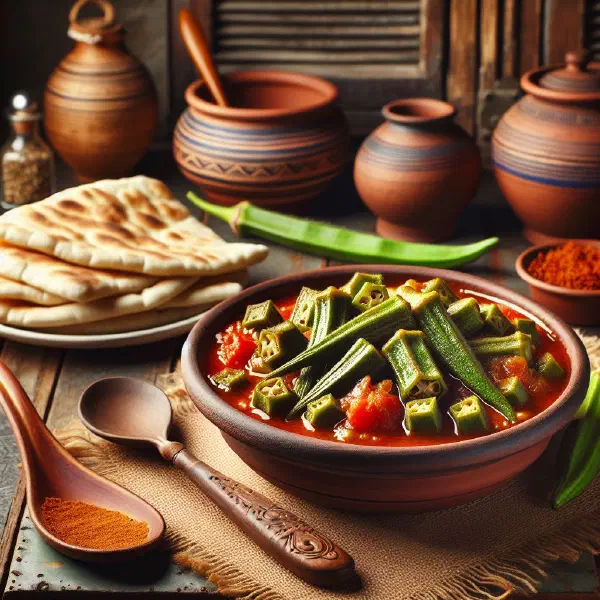
National Dish Lebanon: Fattet Batinjan (Recipe)

In this article
Discover Fattet Batinjan, a soul-warming layered dish from the heart of Lebanon. It brings together silky fried aubergine, crisp shards of toasted flatbread and a cool, garlicky yoghurt sauce for a contrast of textures that feels both rustic and refined. Fragrant with cumin and warm spices, it captures the generous spirit of Levantine hospitality, a dish so often shared at celebrations and big family gatherings that it has become a little symbol of togetherness.
About Fattet Batinjan
Fattet Batinjan is a traditional Lebanese dish that wins people over with its clever combination of tender aubergines, crisp cubes of bread and a creamy yoghurt sauce. The aromas and spices at play here reflect the rich and varied culinary culture of the Levant. It is a feast for the palate and an expression of traditional Lebanese hospitality. Fattet Batinjan is often served at celebrations and large family meals, which makes the dish a genuine emblem of community and belonging.
Ingredients (serves 1–2)
- 2 medium aubergines
- 150 g yoghurt (or plant-based yoghurt for a vegan version)
- 2–3 slices of flatbread
- 1–2 cloves of garlic
- 2 tablespoons olive oil
- 1 teaspoon ground cumin
- 1 teaspoon paprika
- Salt and pepper, to taste
- Fresh parsley, to garnish
Shopping for the ingredients
To make Fattet Batinjan at its best, buy your ingredients as fresh as you can. Many of them, such as aubergines and yoghurt, are easy to find in any well-stocked grocer’s. Be sure to pick good-quality spices, as they have a real influence on the flavour of the finished dish. It is especially worth using fresh herbs, which give the dish an extra burst of brightness.
Preparing the dish
Preparing Fattet Batinjan is simple and fuss-free. Begin by washing the aubergines and cutting them into cubes. Salt them and leave to rest for a few minutes so they release their moisture and lose any bitterness. While the aubergines sit, cut the flatbread into small pieces and heat the olive oil in a pan, ready to fry the bread until crisp. Following these steps makes sure the dish ends up with just the right texture and depth of flavour.
Step-by-step instructions
- Fry the aubergine cubes in a pan with olive oil until golden brown.
- Toast the flatbread in the same pan until crisp.
- Mix the yoghurt with garlic, cumin, paprika, salt and pepper.
- Layer the fried aubergine and the flatbread in a serving bowl.
- Spoon the yoghurt sauce evenly over the top and garnish with fresh parsley to taste.
Gluten-free / lactose-free version
To make Fattet Batinjan gluten-free, swap the flatbread for a gluten-free loaf, or use a mix of seasoned quinoa and nuts instead. For a lactose-free version, replace the yoghurt with a plant-based alternative such as soya or almond yoghurt. These small adjustments mean the dish can be offered to anyone with particular dietary needs, turning the recipe into a versatile treat that everyone can enjoy.
Tips for vegans and vegetarians
Fattet Batinjan is a wonderful choice for vegans and vegetarians, especially once the yoghurt is replaced with a plant-based alternative. Do check that your flatbread is vegan too, as some varieties can contain animal products. To make the dish even more nourishing, you can add fried chickpeas or a handful of mixed vegetables for extra nutrients and another layer of flavour. Tweaks like these turn Fattet Batinjan into a real feast that suits every taste.
More tips and tricks
A few small touches can make preparing Fattet Batinjan even easier and more rewarding. You could roast the aubergines in the oven, for instance, to keep the dish lighter on oil. Reach for fresh spices to intensify the aroma, and feel free to experiment with different herb blends. Marinating the aubergines in spices overnight also lends the dish a special depth and richness of flavour.
Adapting the recipe to your taste
The beauty of Fattet Batinjan lies in its versatility. Depending on what you fancy, you can add or swap out different ingredients. You might fold in olives or sun-dried tomatoes, for example, for a more intense flavour. If you prefer something milder, simply reduce the spices to taste or reach for gentler varieties, the same easy-going approach that makes a Rahib aubergine salad so adaptable. In the end, the recipe can be shaped to suit each diner’s individual taste.
Ingredient substitutions
If a few ingredients are missing, there are often simple alternatives that offer the same flavour and texture. In place of aubergines, for example, you could use courgettes, which give a similar but milder taste. There is also plenty of choice when it comes to the yoghurt, with many plant-based or lactose-free options to suit different diets.
Drink pairing ideas
A range of drinks rounds off the Fattet Batinjan experience beautifully. A freshly brewed mint tea adds a refreshing note and harmonises with the spices in the dish. Alternatively, you might serve a fruity red wine or a Greek retsina, both of which underline the flavours of the aubergine and the yoghurt sauce wonderfully. Cooling alcohol-free options such as a tangy lemonade are a delicious choice too.
Serving and presentation ideas
Presentation can do a great deal to enrich the whole Fattet Batinjan experience. Serve the dish in an attractive bowl and garnish it generously with fresh parsley or pomegranate seeds for a vivid splash of colour. Colourful crockery can also help to show off the bright ingredients. Don’t forget to photograph the dish just before serving and share it on social media to capture its delicious good looks.
A bit of history
Fattet Batinjan has a long tradition in Lebanese cuisine, reaching back across centuries of culinary practice. It draws together influences from the various cultures of the Mediterranean and embodies the many flavours found throughout the region. Traditionally the dish was served as a kind of clever way to use up leftovers, which makes it a symbolic meal of thrift and reinvention. Passed down from one generation to the next, Fattet Batinjan remains an important part of Lebanon’s food culture, a tradition you can explore further across Lebanese cuisine.
More recipe ideas
Summary: Fattet Batinjan
In short, Fattet Batinjan is a wonderful example of Lebanese cuisine, pleasing with its singular combination of aubergine, yoghurt and warm spices. It offers plenty of scope to adapt to different diets and preferences, which makes it a flexible dish indeed. The blend of tradition and delicious flavour makes it a fantastic choice for family celebrations as well as everyday meals. Let the aromas of Lebanon win you over, and prepare this special dish for yourself and your loved ones.