National Dish Lebanon: Fattet Djaj (Recipe)
In this article
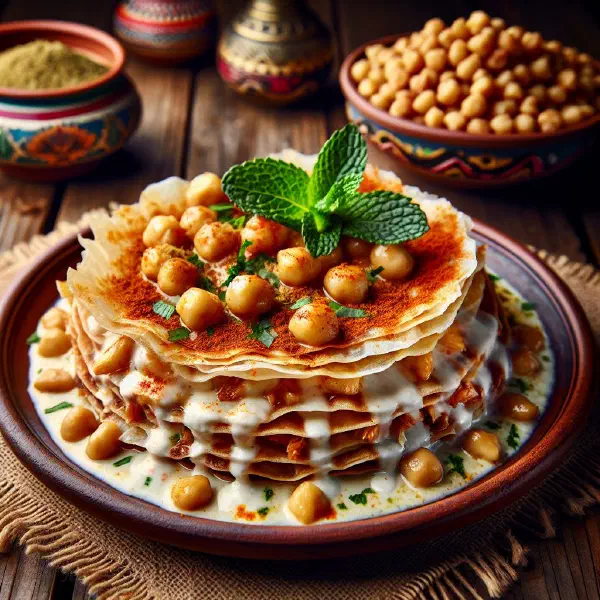
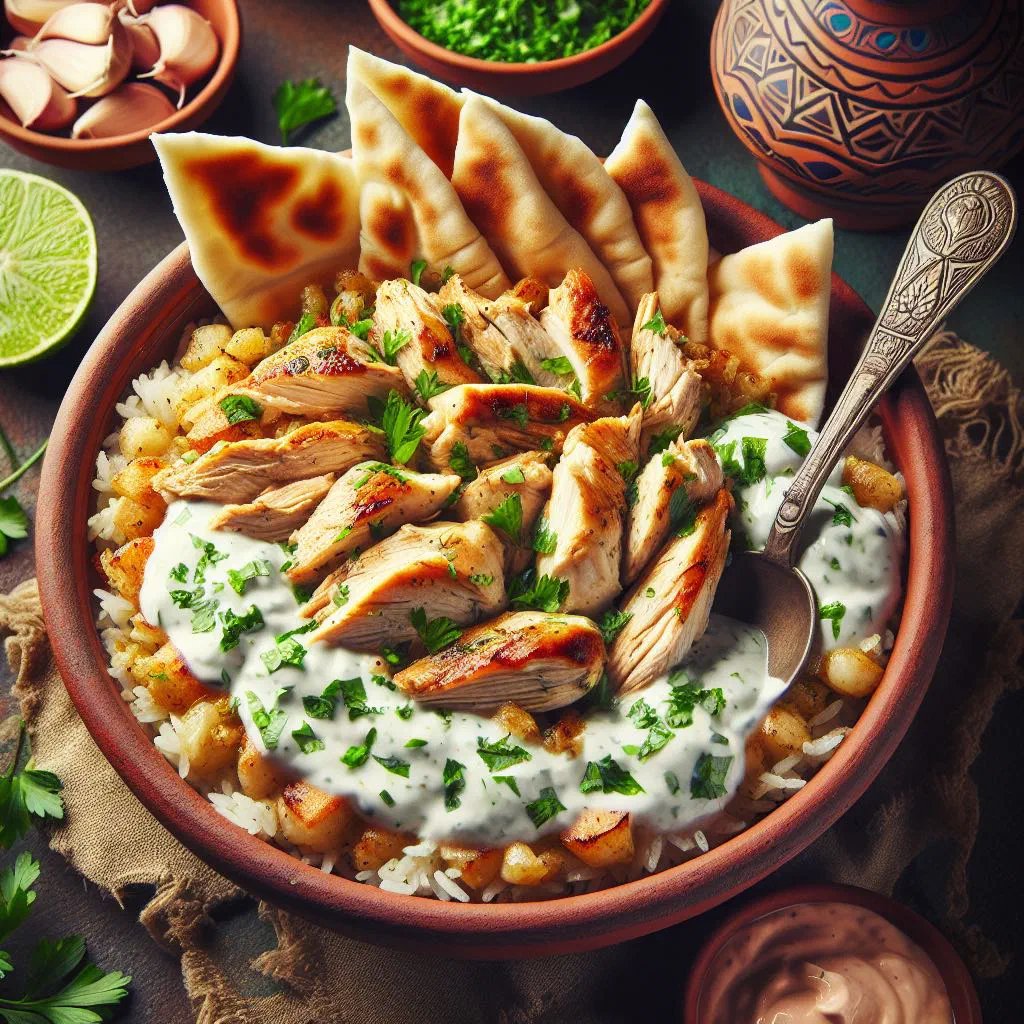
Meet Fattet Djaj, a celebration of Lebanese flavours in a single bowl. Layers of tender chicken, crisp toasted flatbread and a cool, garlicky yoghurt sauce come together into something far greater than the sum of its parts. It is the kind of dish that takes pride of place at family gatherings and festive tables, where its fresh ingredients and generous spirit win over everyone at the table. Bring a little of the Levant straight into your own kitchen.
About Fattet Djaj
Fattet Djaj is more than a meal; it is a culinary experience that captures the warmth of Lebanese cooking. The combination of tender chicken, crunchy bread and a luscious yoghurt sauce has made it a firm favourite, especially when there is something to celebrate. At festive occasions it draws every eye, pleasing guests and family alike. The interplay of flavours and the emphasis on fresh ingredients make it a true highlight of Mediterranean cooking, much like the layered comfort of a Makloubeh.
Ingredients (serves 1–2)
- 300 g chicken breast fillet
- 2 large flatbreads
- 250 g plain yoghurt
- 2 tablespoons olive oil
- 1 lemon (juice and zest)
- 1 garlic clove
- 1 teaspoon ground cumin
- 2 tablespoons pine nuts
- Fresh parsley, to garnish
Shopping for the ingredients
When shopping for fattet djaj, it is well worth paying attention to the quality of your ingredients. The chicken should be fresh and good quality, as it forms the heart of the dish. Flatbread is stocked in many supermarkets, and vegetarian versions are easy to find too. For the yoghurt sauce, choose a plain yoghurt with no added sugar or flavourings to achieve the best, cleanest taste.
Preparing the dish
Preparing fattet djaj involves a few key steps that give the dish its character. First, the chicken is marinated to deepen its flavour. While it sits in the marinade, the bread is torn into small pieces and lightly toasted to reach that all-important crisp texture. This preparation stage is crucial, as it lets the flavours of the finished dish shine through to their best.
Step-by-step instructions
- Cut the chicken breast fillets into cubes and marinate them in a mixture of olive oil, lemon juice, garlic and cumin.
- Tear the flatbread into small pieces, spread them on a baking tray and toast lightly until crisp.
- Fry the marinated chicken pieces in a pan until golden brown and cooked through.
- Combine the yoghurt with lemon zest, cumin and a little salt to create a fragrant yoghurt sauce.
- In a serving dish, use the toasted bread as a base, arrange the chicken on top and spoon over the yoghurt sauce.
- Garnish with pine nuts and fresh parsley, then serve at once.
Gluten-free / lactose-free version
For anyone who is gluten or lactose intolerant, fattet djaj is easy to adapt. Use a gluten-free bread, or swap in vegetables such as cauliflower for a similar texture. For the yoghurt sauce, reach for lactose-free yoghurt or a plant-based alternative such as coconut yoghurt. These small adjustments make it possible to prepare the dish for guests with special dietary needs without losing any of its appeal.
Tips for vegans and vegetarians
There are plenty of ways to make fattet djaj suitable for vegans and vegetarians. Replace the chicken with marinated and fried aubergine or tofu, both of which bring lovely texture and flavour. The yoghurt sauce can be made with a plant-based yoghurt alternative to keep the whole dish vegan. These swaps stay true to the original idea while offering a delicious option for everyone, in the same generous spirit as Loubiyeh bil Zeit.
More tips and tricks
To make fattet djaj even more flavoursome, you can add a range of spices and herbs. Garlic and onion lend extra depth, while a handful of chickpeas boosts both the nutritional value and the texture. Experiment with different nuts as a topping to bring even more crunch. A little patience with the seasoning goes a long way towards a balanced, satisfying result.
Adapting the recipe to your taste
Depending on your own preferences, fattet djaj can be tailored in countless ways. For a spicier version, add chilli or pepper to give it a little heat. The choice of herbs can vary too: fresh coriander or mint make a lovely, aromatic alternative to parsley. Play with the quantities until you have a dish that suits your taste exactly.
Ingredient substitutions
Sometimes the original ingredients are hard to find or simply not to hand. In that case, turkey makes a fine stand-in for the chicken, offering a similar flavour. Brown rice can take the place of the bread for a heartier, more filling variation, much like the rice base in a Riz b’Foul. Substitutions like these keep the dish flexible while ensuring it stays just as delicious.
Drink pairing ideas
To round off your fattet djaj experience, the right drink makes all the difference. A refreshing rosé or a lightly chilled white wine pairs beautifully with the Mediterranean flavours. For non-alcoholic options, mint tea or a zingy pomegranate juice are firm favourites.
Serving and presentation ideas
Presentation plays a big part in serving fattet djaj. Use large, shallow dishes to show off the layers of bread, chicken and yoghurt sauce. Decorate the surface with toasted pine nuts and fresh herbs to add colour. A few lemon wedges on the side provide a pleasing contrast and let guests add a final touch of freshness themselves.
A bit of history
Fattet Djaj has its roots in Lebanese and Arab cooking and is traditionally enjoyed on festive occasions. It is a dish often served at large family gatherings and celebrations, with a long history behind its preparation. Every household has its own small variations, shaped by family traditions and regional ingredients. The love and care that go into making it are reflected in every bite, a hallmark of Lebanese cuisine shared with classics like Kafta.
More recipe ideas
Summary: Fattet Djaj
Fattet djaj is a wonderful example of the variety and richness of Lebanese cooking. With its harmonious flavours and lovingly assembled layers, it adapts easily to a range of dietary needs. Whether as a hearty family meal or the centrepiece of a celebration, fattet djaj brings the flair of Lebanon straight to your table. Explore everything this dish has to offer and pleasure your guests with a taste of the Middle East.