National Dish Lebanon: Fattet Makdous bi Laban (Recipe)
In this article
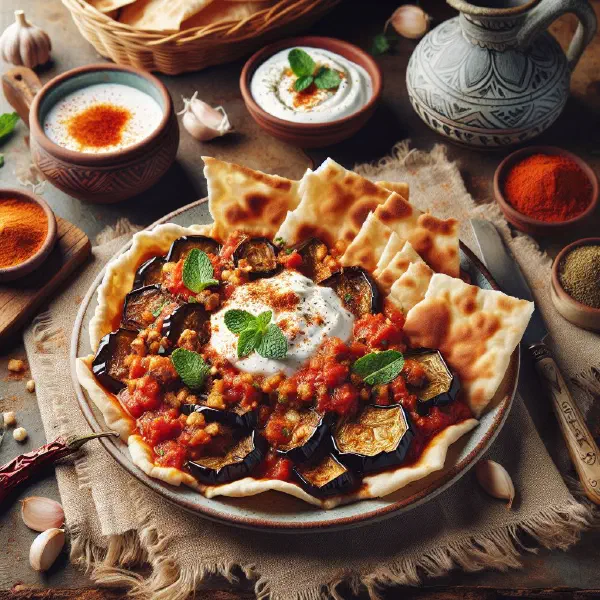
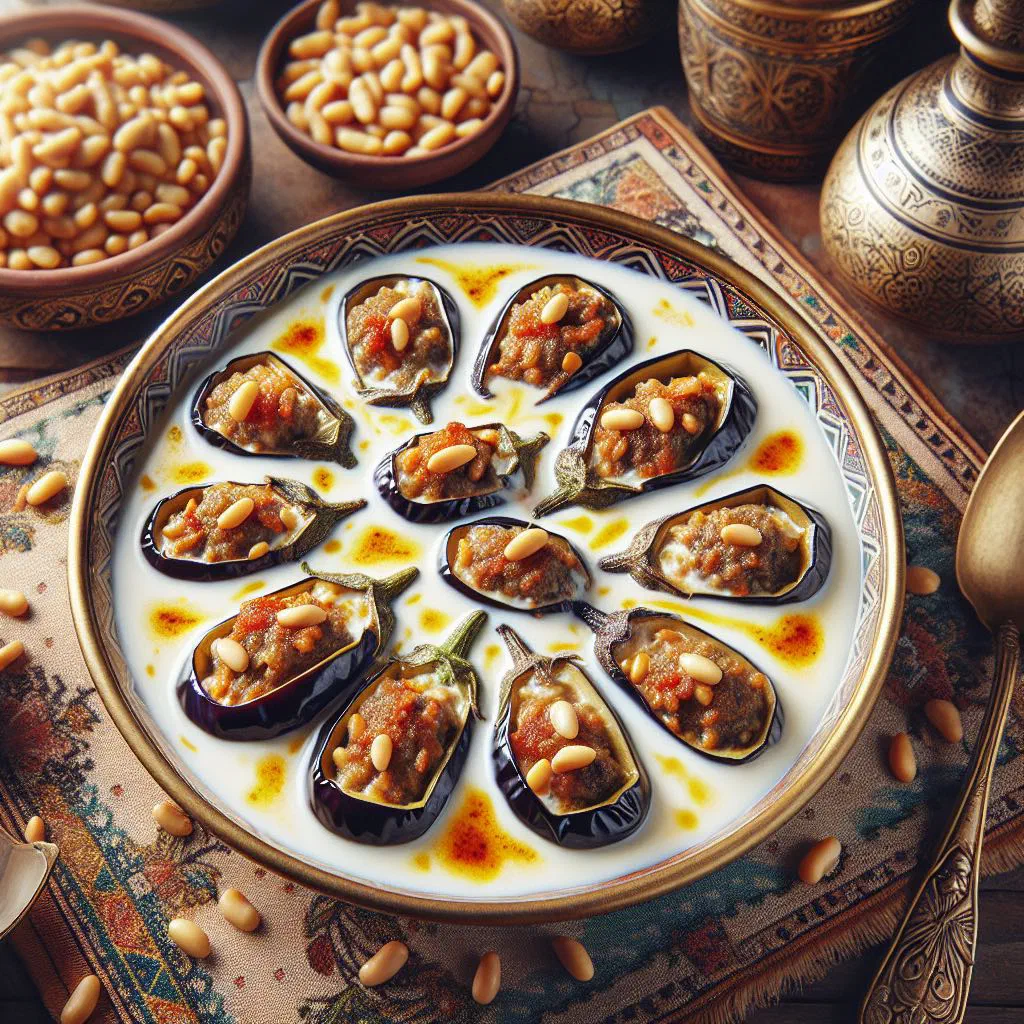
Meet Fattet Makdous bi Laban, a celebration dish that brings the warmth of Lebanese hospitality straight to the table. Tender stuffed aubergines are layered over warm flatbread and crowned with a cool, garlicky yoghurt sauce, then finished with golden pine nuts and a drizzle of olive oil. It is the kind of generous, comforting plate that turns an ordinary meal into a feast, equally at home at a family gathering or a quiet supper for two.
About Fattet Makdous bi Laban
Fattet Makdous bi Laban is a traditional Lebanese dish that impresses as much with its presentation as with its preparation. The marriage of stuffed aubergines, a creamy yoghurt sauce and warm flatbread makes it a true feast. It is often served at special occasions and family celebrations, standing as a symbol of Lebanese hospitality. The flavours and textures come together in a memorable eating experience that wins everyone over.
Ingredients (serves 1–2)
- 2 medium aubergines
- 250 g yoghurt
- 2 cloves of garlic
- 1 teaspoon tahini
- Olive oil
- Pine nuts (optional)
- 1 flatbread
- Salt and pepper, to taste
Shopping for the ingredients
Shopping for Fattet Makdous bi Laban calls for freshness and quality. Choose aubergines that are firm and free of bruising, as they form the foundation of the dish. Pick a good yoghurt too, since it is key to a creamy sauce. The fresh herbs and spices should also be of the best quality so you can draw out the fullest flavour.
Preparing the dish
Preparation for Fattet Makdous bi Laban begins with cleaning the aubergines thoroughly. They can then be either fried or baked in the oven for a lighter, healthier version. While the aubergines cool, you can make the yoghurt sauce, enriched with garlic and tahini. These steps pave the way to a harmonious and delicious result.
Step-by-step instructions
- Slice the aubergines lengthways and carefully scoop out the flesh.
- Fry the aubergines in oil or bake them in the oven until soft and golden brown.
- Mix the yoghurt with crushed garlic and tahini, then season with salt and pepper.
- Cut the flatbread into pieces and arrange them on a plate.
- Place the cooked aubergines on the bread and spoon the yoghurt sauce over the top.
- Scatter with toasted pine nuts and finish with a drizzle of olive oil.
Gluten-free / lactose-free version
For a gluten-free version of this delicious dish, simply swap the flatbread for a gluten-free bread such as rice or corn bread. The yoghurt sauce can also be made with a lactose-free yoghurt to suit anyone who is lactose intolerant. This way the memorable flavour stays intact without any compromise on tolerance. Enjoyment without restrictions is the goal.
Tips for vegans and vegetarians
A vegan version of Fattet Makdous bi Laban is easy to achieve by replacing the yoghurt with a plant-based alternative such as soya or coconut yoghurt. These give a similar consistency and keep the dish just as creamy. Adding mixed vegetables is another lovely touch that lends extra depth of flavour. The whole aubergines can be stuffed in a vegan style too, which is both delicious and nourishing, much like the plant-forward Loubiyeh bil Zeit.
More tips and tricks
A few tips make this dish even better. Toast the pine nuts just before serving to give them a special crunch. Your choice of spices can vary the dish enormously, so feel free to experiment with different spice blends. Sometimes it is worth drizzling a little lemon juice over the finished dish for a fresh lift. These small changes can improve the whole eating experience immensely.
Adapting the recipe to your taste
Adapting Fattet Makdous bi Laban to your personal preference is simple. Whether it is more spices, extra ingredients such as diced vegetables, or alternative fillings for the aubergines, anything goes. Creativity can really shine here, and it is often this personal touch that leads to entirely new flavour discoveries. It is a dish that leaves plenty of room for individuality.
Ingredient substitutions
If you cannot find certain ingredients or would rather replace them, there are always alternatives. Tahini, for example, can be swapped for sunflower seed butter to achieve a similar flavour. For the aubergine filling, red lentils or quinoa also work well, offering a protein-rich and healthy option. If no yoghurt is available, try a mix of plant-based milk and cornflour for a creamy consistency.
Drink pairing ideas
A range of drinks pairs beautifully with Fattet Makdous bi Laban. A freshly pressed lemon and mint juice brings a refreshing note, while a frothy yoghurt drink harmonises nicely. For wine lovers, a light, fruity white wine underlines the flavours of the dish. This combination makes for an even more intense culinary experience.
Serving and presentation ideas
The presentation of Fattet Makdous bi Laban can lift the whole experience considerably. Serve the dish on an elegant platter and garnish it with fresh herbs and the toasted pine nuts. A few drops of olive oil and a dusting of paprika give it an appealing finish. A handsome presentation ensures the dish not only looks delicious but appeals to the palate too.
A bit of history
The roots of Fattet Makdous bi Laban lie in Lebanese cooking and are closely tied to the tradition of family gatherings and festive get-togethers. This dish symbolises the pleasure of good food and the joy of spending time with loved ones. Historically it was often prepared for special occasions, which reinforces its cultural significance. The pairing of wholesome ingredients with layered aromas reflects the variety and richness of Lebanese cuisine.
More recipe ideas
Summary: Fattet Makdous bi Laban
In summary, Fattet Makdous bi Laban is a dish that represents Lebanese cuisine superbly. The combination of stuffed aubergines, an aromatic yoghurt sauce and warm flatbread offers a truly unique eating experience. The wealth of preparation options and the ease of adapting it to personal taste make this approachable recipe a genuine highlight on any table. Discover the flavours of Lebanon with this richly traditional recipe.