National Dish Lebanon: Fattet Makdous (Recipe)
In this article
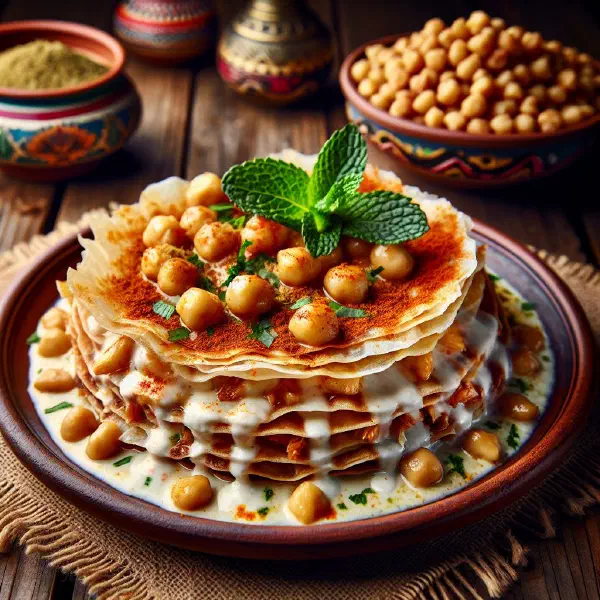
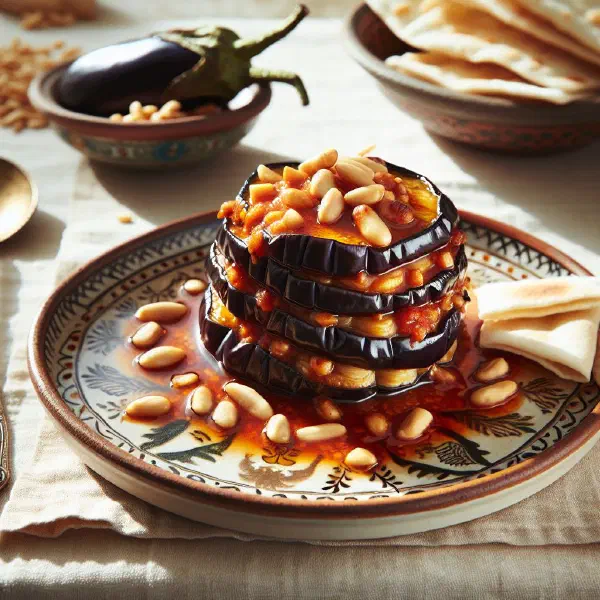
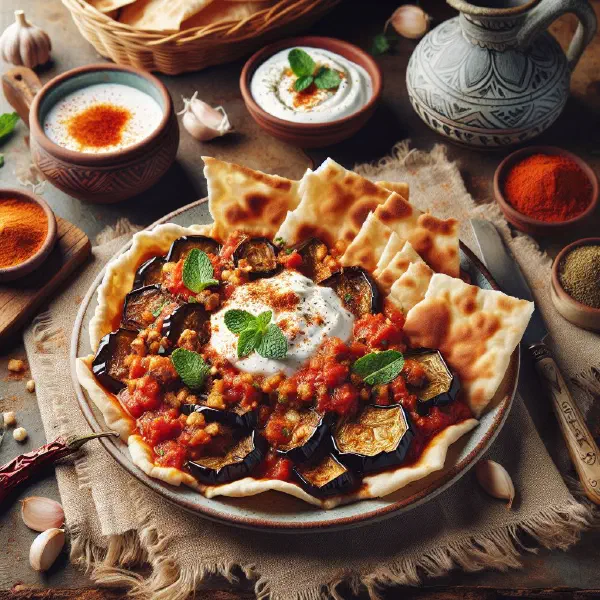
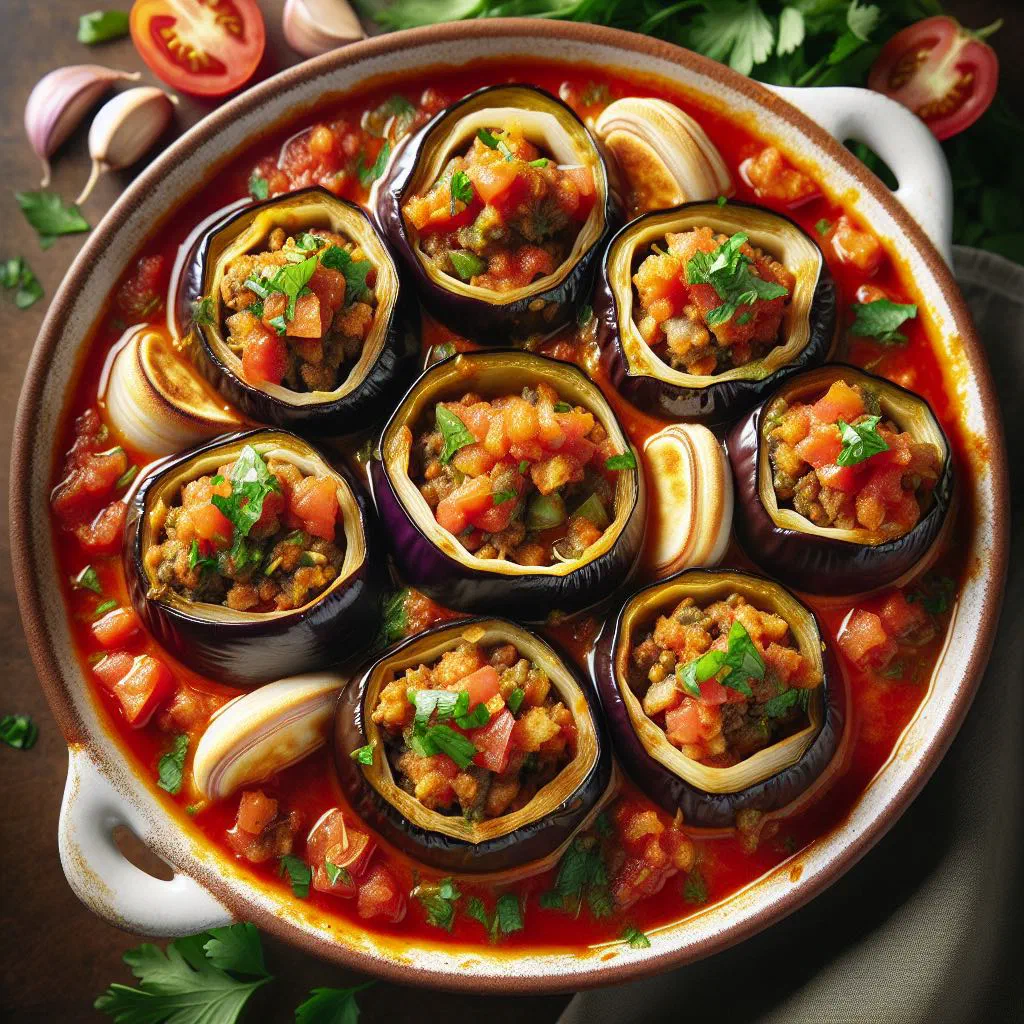
Discover Fattet Makdous, a soulful Lebanese dish that brings smoky aubergine together with cool, creamy yoghurt and a whisper of garlic. The aubergines are charred over an open flame until meltingly tender, lending the dish a deep, smoky character that lingers on the palate. Scattered over crisp shards of fried pita, it is as much a feast for the senses as it is a little slice of Lebanese culture on your table.
About Fattet Makdous
Fattet Makdous is a much-loved Lebanese dish, prized for its very good pairing of tender aubergines and rich, savoury flavours. The aubergines are roasted over an open flame, which gives them a unique, smoky aroma that sets the dish apart. Finished with a creamy yoghurt sauce and a gentle hint of garlic, it becomes a genuine taste experience. It is a treat for the palate and a piece of culture brought to the table.
Ingredients (serves 1–2)
- 2 medium aubergines
- 200 g natural yoghurt
- 2–3 cloves of garlic
- 1 tsp cumin
- 1 tsp paprika
- Salt and pepper, to taste
- 2–3 pita breads
- Olive oil, for frying
Shopping for the ingredients
When shopping for fattet makdous, it is important to choose fresh aubergines, as they form the backbone of the dish. Look for aubergines that are glossy and free of soft or bruised spots. Greek-style yoghurt is the best choice here, as it has a creamier consistency and works beautifully with the spices. Spices such as cumin and paprika can be bought either as ready-made blends or individually, which makes it easy to tailor the seasoning to your own taste.
Preparing the dish
Before you start making fattet makdous, it is a good idea to have all your ingredients ready to hand. This makes the cooking process far smoother and ensures you do not skip a single step. Cut the aubergines in half and roast them on the grill or over an open flame to draw out that signature flavour. While the aubergines char, you can mix together the yoghurt and spices and set them aside ready to use.
Step-by-step instructions
- Roast the aubergines on the grill until they are soft and collapsing.
- Scoop the flesh out of the roasted aubergines with a spoon.
- In a bowl, combine the aubergine flesh with the yoghurt, garlic, cumin, paprika, salt and pepper.
- Cut the pita bread into small pieces and fry them in olive oil until crisp.
- Spread the mixture over the pita pieces and serve.
Gluten-free / lactose-free version
Fattet makdous is easy to turn into a gluten-free and lactose-free dish. Instead of pita bread, you can use gluten-free alternatives such as rice crackers or fried polenta. For a lactose-free version, swap the yoghurt for soya yoghurt or another plant-based yoghurt alternative. These small adjustments mean the dish can suit every dietary need without losing any of its delicious flavour.
Tips for vegans and vegetarians
This dish also lends itself well to vegan cooking, simply by replacing the yoghurt with a plant-based alternative. You can also vary the aubergines with other vegetables such as courgette or peppers to bring extra colour and flavour to the plate. When seasoning, consider reaching for fresh herbs in place of dried spices to build additional layers of aroma that fit a vegan lifestyle perfectly. These practical tweaks make fattet makdous accessible to every kind of eater. For more meat-free inspiration, the herb-packed Tabbouleh bi Burghul makes a lovely partner.
More tips and tricks
A few simple tips can make preparing fattet makdous considerably easier. Use a grill, for example, to intensify the smoky flavour of the aubergines. It is also worth whisking the yoghurt mixture thoroughly to achieve an even, silky creaminess. To add a fresh note, you can finish the dish with fresh mint or parsley as a garnish. These little details all help to make the dish even more inviting.
Adapting the recipe to your taste
The flexibility of fattet makdous makes it easy to adapt the recipe to your personal preferences. You can experiment with different kinds of yoghurt to vary the flavour, or add extra spices such as coriander or chilli for a more fiery edge. Using nuts or seeds as a topping gives you an extra crunch and a distinctive flavour. Adjustments like these make the dish even more exciting and personal.
Ingredient substitutions
If you do not have every ingredient for fattet makdous to hand, there are a few alternatives you can turn to. In place of aubergines, courgette or pumpkin can be used to achieve a similar flavour, the same generous, vegetable-led spirit you find in Baba Ghanouj bi Lahme. Greek yoghurt can be replaced with coconut yoghurt or almond yoghurt to create a different flavour profile. Substitutions like these add variety and let you adapt the dish to whatever you already have in your kitchen.
Drink pairing ideas
To round off the experience of fattet makdous, a number of drinks make excellent companions. A refreshing mint tea or an ice-cold lemon water both pair wonderfully with this dish. Alternatively, a dry rosé wine can harmonise nicely too, underlining the flavours of the aubergine and yoghurt. Experiment with different drinks to find your own perfect combination.
Serving and presentation ideas
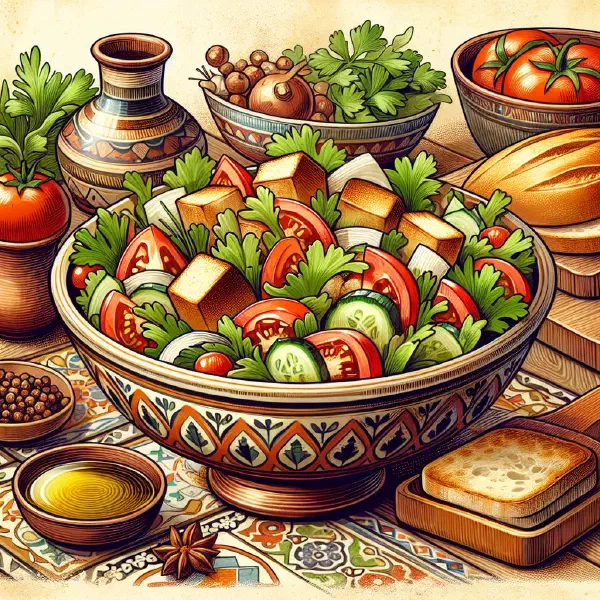
The presentation of fattet makdous can have a real impact on the whole experience of the dish. You might arrange it in a large bowl and scatter over fresh mint or parsley to add colour. You can also set small dishes of extra spices or olive oil alongside, so your guests can season to taste. Arranging the pita pieces around the dish gives it a rustic, appealing look as well.
A bit of history
Fattet makdous has a long tradition in Lebanese culture. It is often served at special occasions and celebrations, and is regarded as a symbol of hospitality and togetherness. The dish comes from a time when cooking and eating were communal experiences. With its layered flavours and the warmth it radiates, it brings the taste of Lebanon to the table and a piece of the country’s cultural identity. It sits proudly within the wider world of Lebanese cuisine, alongside other comforting fatteh dishes such as Fattet Jaj.
More recipe ideas
Summary: Fattet Makdous
In short, fattet makdous is an indispensable dish of Lebanese cooking that is both easy to prepare and wonderfully versatile. The combination of roasted aubergines, creamy yoghurt and aromatic spices makes this dish a true highlight on any table. With its ability to adapt to different dietary needs, it ensures that everyone can enjoy the flavours of Lebanon. Anyone looking for a hearty, flavourful and culturally rich dish will find exactly that in fattet makdous.