National Dish Lebanon: Halawa bi Ashta (Recipe)
In this article
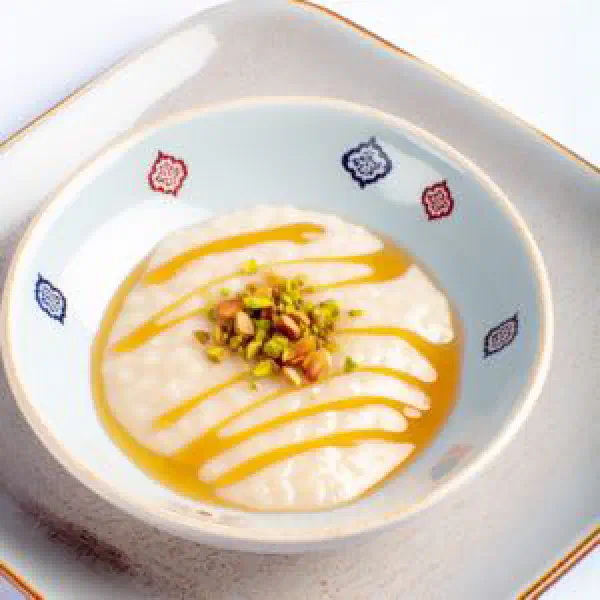
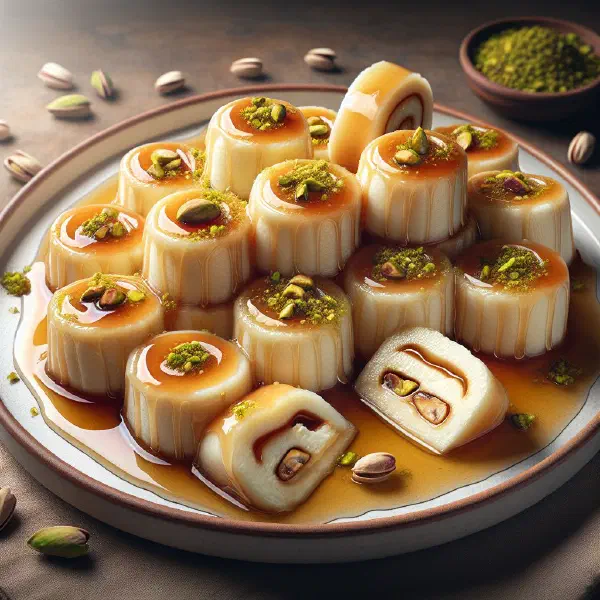
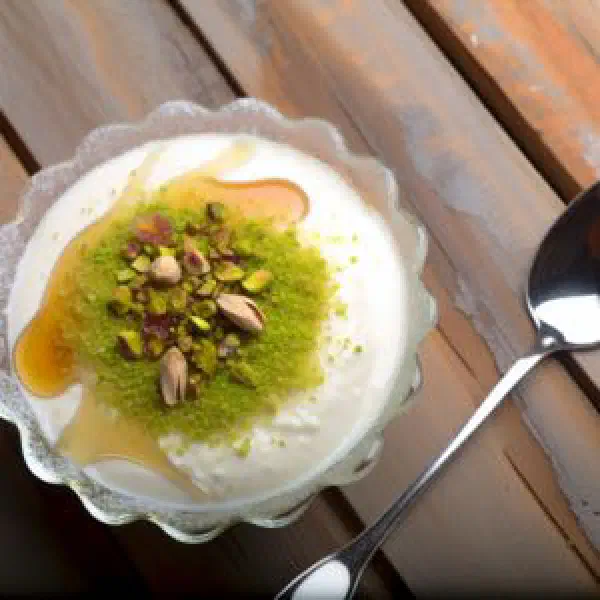
Treat yourself to Halawa bi Ashta, a gloriously indulgent dessert from Lebanon that layers crumbly sesame halva with a soft, fragrant cream. A whisper of rose water and a scattering of roasted pistachios lift it from a simple sweet into something memorable. This dessert brings the warmth and hospitality of Lebanese kitchens straight to your table.
About Halawa bi Ashta
Halawa bi Ashta is a traditional Lebanese dessert that charms the senses and appeals to the palate. The pairing of halawa, a wonderful sweet made from sesame seeds, with ashta, a soft and creamy filling, creates a flavour experience all of its own. In Lebanon this dessert is often served as a special treat at festive occasions, yet it works just as beautifully day to day, a lovely way to spoil yourself or the people you love.
Ingredients (serves 1–2)
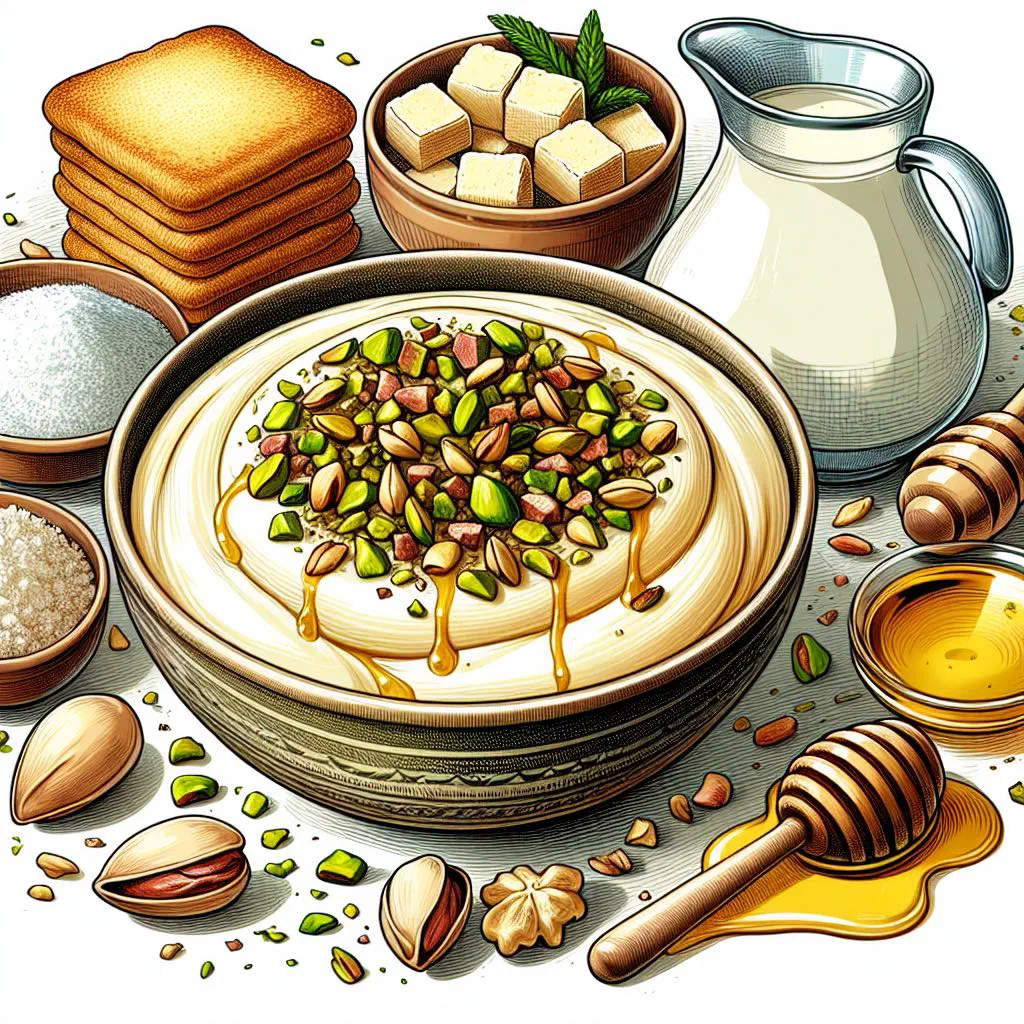
- 100 g halawa (sesame paste)
- 150 g ashta (Lebanese clotted cream)
- 2–3 tablespoons honey or agave syrup
- A dash of rose water
- Roasted pistachios, to garnish
Shopping for the ingredients
The ingredients for halawa bi ashta are relatively easy to track down, especially in Middle Eastern grocers or online. Look out for good-quality halawa and ashta, as these make all the difference to the finished flavour. If you would rather avoid certain sweeteners, there are also sugar-free alternatives that work well in the recipe. And don’t forget to pick up plenty of roasted pistachios for decorating, since they add both flavour and a lovely visual finish to the dish.
Preparing the dish
Preparing halawa bi ashta could hardly be simpler, and it takes very little time. Start by gently warming the halawa, as it becomes a touch softer and easier to work with at room temperature. The ashta should also be made ready and, if needed, lightly stirred to improve its texture. A dash of rose water added to the ashta perfumes the dessert beautifully and brings the aromas to life.
Step-by-step instructions
- Loosen the halawa slightly in a bowl, using your hands or a spoon.
- In a separate bowl, stir the ashta together with honey or agave syrup.
- Add a dash of rose water to the ashta and mix well.
- Place a portion of halawa on a plate and form a small hollow in the centre.
- Spoon the ashta mixture carefully into the hollow and cover with a second layer of halawa.
- Garnish with roasted pistachios and serve straight away.
Gluten-free / lactose-free version
If you follow a gluten-free or lactose-free diet, halawa bi ashta is a brilliant choice. Both halawa and ashta are usually free from gluten and lactose. Do check the ingredients of the halawa carefully, though, as it can occasionally contain unwanted additives. For the ashta, you can also reach for a plant-based alternative to make sure the dessert stays completely lactose-free.
Tips for vegans and vegetarians
For vegans, halawa bi ashta is easily adapted by swapping the honey for a plant-based sweetener. Agave syrup or maple syrup are excellent options and widely available. Just make sure that both the halawa and the ashta are free from any animal products. Many of the ingredients are already vegan-friendly, which makes this dessert a real pleasure for vegans too.
More tips and tricks
A key element of a perfect halawa bi ashta is the consistency of the ashta. If you prefer a creamier texture, you can enrich the ashta with a little plant-based cream. Take care not to press the halawa too firmly, or it may lose its delicate, crumbly structure. You can also experiment with new flavours, such as vanilla or cinnamon, to give the dessert a personal touch, much like the gentle spicing that defines Meghli.
Adapting the recipe to your taste
If you cannot find halawa, other nut butters such as cashew or almond butter work nicely too. These lend the dessert a pleasantly nutty character that harmonises just as well. For the ashta, alternative vegan cream products or even homemade coconut cream can add an exotic touch. Do adjust the quantities accordingly, though, so the dessert still sets to the right consistency.
Ingredient substitutions
There is plenty of room for swaps in halawa bi ashta. Beyond the nut-butter options, you might fold in a spoonful of date syrup for deeper sweetness, a flavour you’ll also recognise in Ma’amoul. The creamy ashta layer can stand in for whipped cream or even a thick coconut cream, giving you a familiar richness that echoes a comforting bowl of Roz bel Halib. Substitutions like these let you tailor the recipe to what you have on hand.
Drink pairing ideas
A range of drinks pairs well with halawa bi ashta, including a freshly brewed Lebanese coffee or a glass of mint tea. These complement the dessert beautifully and create a harmonious combination. For a non-alcoholic option you might serve pure pomegranate juice, whose sweetness and gentle acidity offer a refreshing counterpoint to the rich dessert. Yoghurt drinks can also make for an interesting pairing that rounds the dessert off nicely.
Serving and presentation ideas
Presentation plays a real part in making halawa bi ashta a showstopper. Serve the dessert in pretty glass dishes or on artfully arranged plates to show off the different layers. A scattering of roasted pistachios on top adds good looks and a crisp contrast to the soft ashta. And don’t forget a small sprig of fresh mint as a decorative finishing touch, bringing the flavour and the appearance together in one elegant gesture.
A bit of history
Halawa bi Ashta has its roots in the rich Lebanese culinary tradition and has been a beloved dessert for centuries. It brings together flavours and ingredients that run deep in the culture, symbolising the hospitality and pleasure so central to life in Lebanon. This dessert is often served at festive occasions and carries the heart and soul of Lebanese cuisine to the table. As Lebanese food grows ever more popular around the world, halawa bi ashta is winning admirers far beyond its homeland too.
More recipe ideas
Summary: Halawa bi Ashta
Halawa bi Ashta is a delicious dessert and a little piece of Lebanese culture. With its delicate halva and creamy ashta, it brings together the flavours of the Mediterranean and puts a smile on every face. The preparation is straightforward and leaves plenty of room for creative tweaks. Enjoy it on your own or share the joy with friends and family, halawa bi ashta is sure to win everyone over.