National Dish Lebanon: Kebbet Samak (Recipe)
In this article
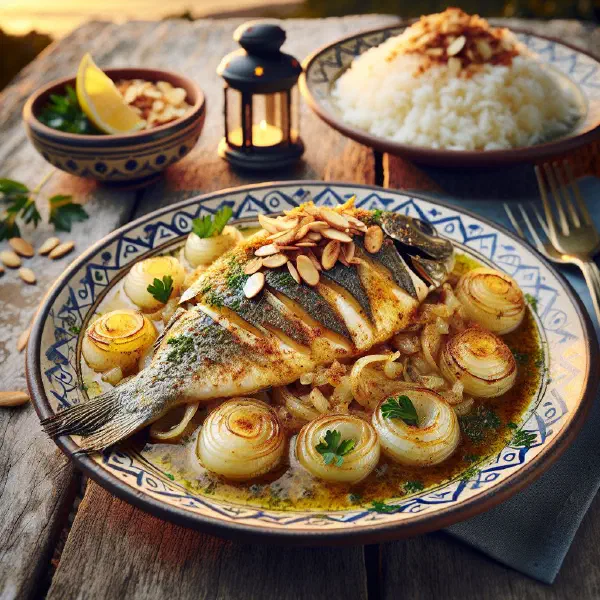
Meet Kebbet Samak, a beautifully aromatic fish kibbeh that brings the bright, coastal flavours of the Lebanese Mediterranean straight to your plate. Tender white fish is blended with fine bulgur, fresh herbs and warm spices, then shaped into patties and fried until golden. It is the kind of dish that rewards a little care and a feel for balance, and it makes a wonderful introduction to the wider world of Lebanese cooking.
About Kebbet Samak
Kebbet Samak is a traditional Lebanese dish that appeals to the senses with its delicate, savoury flavours. It is a kind of fish kibbeh, perfect for food lovers and anyone who simply enjoys eating well. Getting it right calls for fresh ingredients and for a good instinct for seasoning and the careful balance of aromas. The result is a genuine treat and an ideal first step into the fascinating world of Lebanese cuisine.
Ingredients (serves 1–2)
- 250 g fish fillet (such as cod or sea bream)
- 150 g fine bulgur
- 1 onion, finely chopped
- 1 bunch fresh parsley, chopped
- 2 tablespoons olive oil
- 1 teaspoon cumin
- 1 teaspoon paprika
- Salt and pepper, to taste
- Juice of 1 lemon
Shopping for the ingredients
When shopping for Kebbet Samak, it is important to pay attention to the freshness of the fish. Ideally, visit a local fishmonger or a trusted supermarket to make sure the fish is of good quality. The bulgur should be the fine grade, as it blends more readily into the mixture. Fresh herbs such as parsley are equally crucial to the dish’s characteristic flavour, so choose bright, lively bunches.
Preparing the dish
Preparation is a decisive step in getting Kebbet Samak right. First, the bulgur should be soaked in water so it can swell, which usually takes around 30 minutes. While that is happening, you can fillet the fish and chop the onion and parsley, having everything ready for the mixture.
Step-by-step instructions
- Drain the soaked bulgur and place it in a bowl with the fish, onion and spices.
- Knead the mixture thoroughly until it forms a smooth, homogeneous mass.
- With wet hands, shape it into small flat patties.
- Fry the Kebbet Samak in a pan of hot oil until golden brown on both sides.
- To serve, drizzle with lemon juice and scatter over the fresh parsley.
Gluten-free / lactose-free version
Making Kebbet Samak gluten-free and lactose-free is straightforward. Instead of bulgur, you can use quinoa or an oat-free flour to achieve a workable dough structure. Take care to use these alternatives in the right quantity so the consistency stays intact. The dish is also naturally lactose-free, which makes it an ideal option for anyone with intolerances.
Tips for vegans and vegetarians
For vegans and vegetarians, there are creative ways to adapt Kebbet Samak. Replace the fish with a mix of plant-based proteins such as tofu or pulses. Plant-based spices and herbs help preserve the dish’s signature flavour. Adding ground nuts can also bring a pleasant nutty note that lifts both the texture and the taste to a new level. For more bean-led inspiration, try Loubiyeh bil Zeit.
More tips and tricks
To make Kebbet Samak even tastier, experiment with extra spices such as coriander or a pinch of cinnamon. Marinating the fish before cooking can also intensify the flavour. The right cooking oil makes a real difference; reach for olive oil for an authentic taste. Keep an eye on the temperature of the oil too, so the patties brown evenly and stay crisp.
Adapting the recipe to your taste
Adapting Kebbet Samak to your own preferences is easy and makes the dish all the more interesting. Add a little feta cheese for a creamy note, or work seasonal vegetables into the mixture. You can also vary the texture by using more or less bulgur. That way you end up with a dish tuned precisely to the tastes of everyone at the table.
Ingredient substitutions
If some ingredients are not available, there are several alternatives you can turn to. Instead of cod, mackerel or salmon both work beautifully. The bulgur can be swapped for polenta or rice to create a gluten-free option. You can also try different herbs and spices to discover new flavour directions, much as you would when fine-tuning a herb-rich Tabbouleh bi Burghul.
Drink pairing ideas
Kebbet Samak pairs wonderfully with light drinks. A refreshing hibiscus tea or a crisp white wine suits the dish perfectly. A classic Lebanese arak can also complement the aromas beautifully. If you prefer non-alcoholic options, sparkling water with lemon or a fruity lemonade is ideal alongside this Mediterranean main.
Serving and presentation ideas
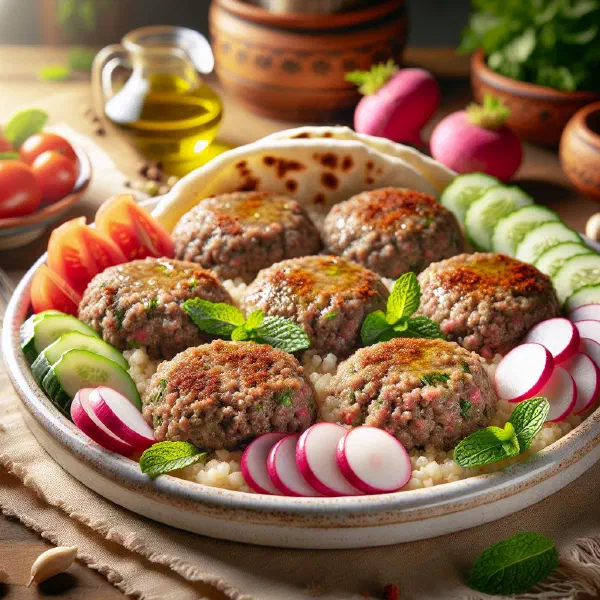
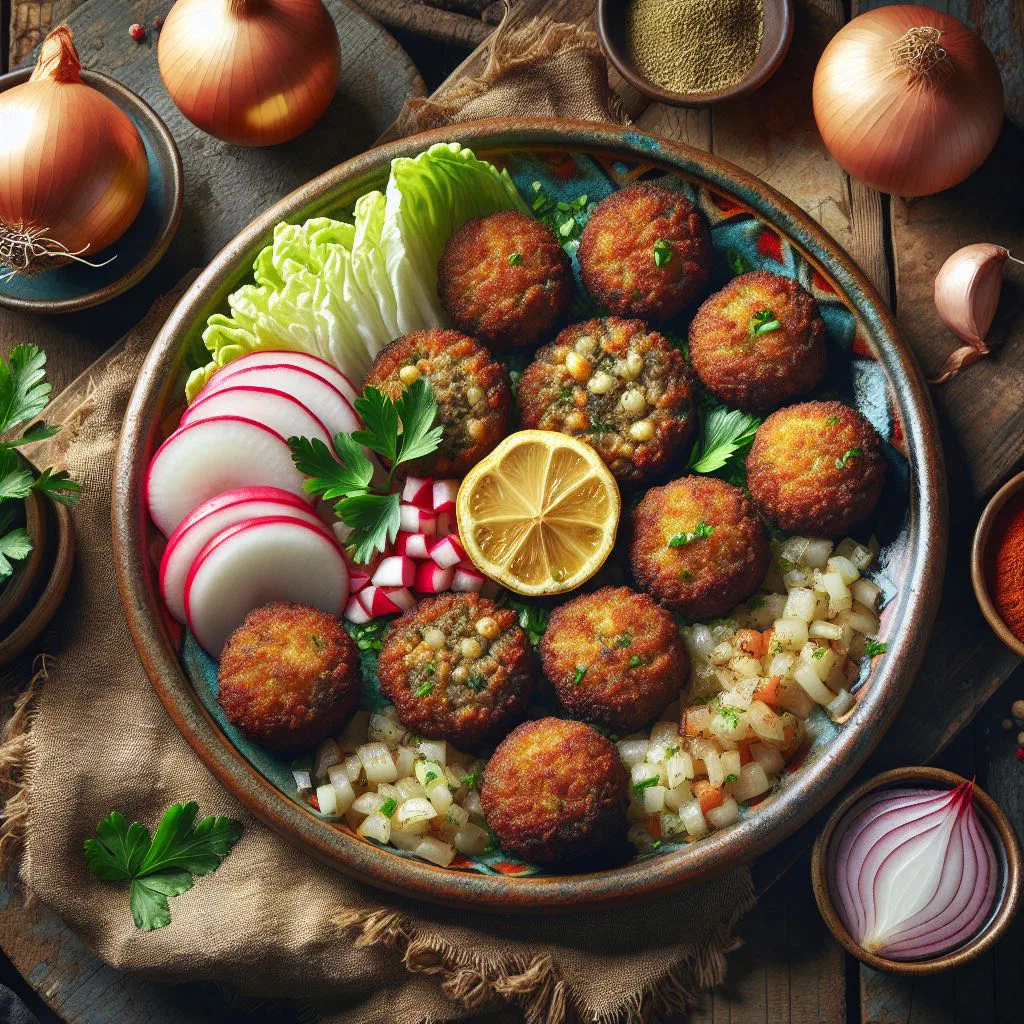
The presentation of Kebbet Samak can lift the whole dining experience. Use fresh herbs and lemon slices as a garnish. Serve the patties on a large platter together with salad and a dip, or in an attractive bowl. Colourful touches from vegetables and spices make the dish look all the more appetising. A side of Rahib rounds out the table nicely.
A bit of history
Kebbet Samak has a long tradition in Lebanese cuisine, reaching back to ancient times. The dish reflects the culture and hospitality of Lebanon, where preparing and sharing food is very much a communal affair. The use of spices and fresh ingredients shows a deep appreciation for quality produce. To this day, Kebbet Samak remains a popular dish, enjoyed not only at celebrations but in everyday Lebanese cuisine as well.
More recipe ideas
Summary: Kebbet Samak
Kebbet Samak is an appealing dish that lets you dive into the flavourful world of Lebanese cuisine. With its distinctive aromas and its combination of fresh ingredients, it becomes a memorable experience for any food lover. Kebbet Samak captures the essence of Levantine cooking. Let this recipe inspire you and bring a touch of the Mediterranean to your plate.