National Dish Lebanon: Kishk (Recipe)
In this article
Discover Kishk, one of Lebanon’s most intriguing traditional dishes. Made from fermented wheat and yoghurt, it carries a tang and depth of flavour that speaks of generations of mountain cooking. Warming, nourishing and beautifully creamy, it can take centre stage as a main course or play a comforting supporting role. Bring a taste of the Lebanese highlands straight to your own kitchen with this rustic, soul-satisfying classic.
About Kishk
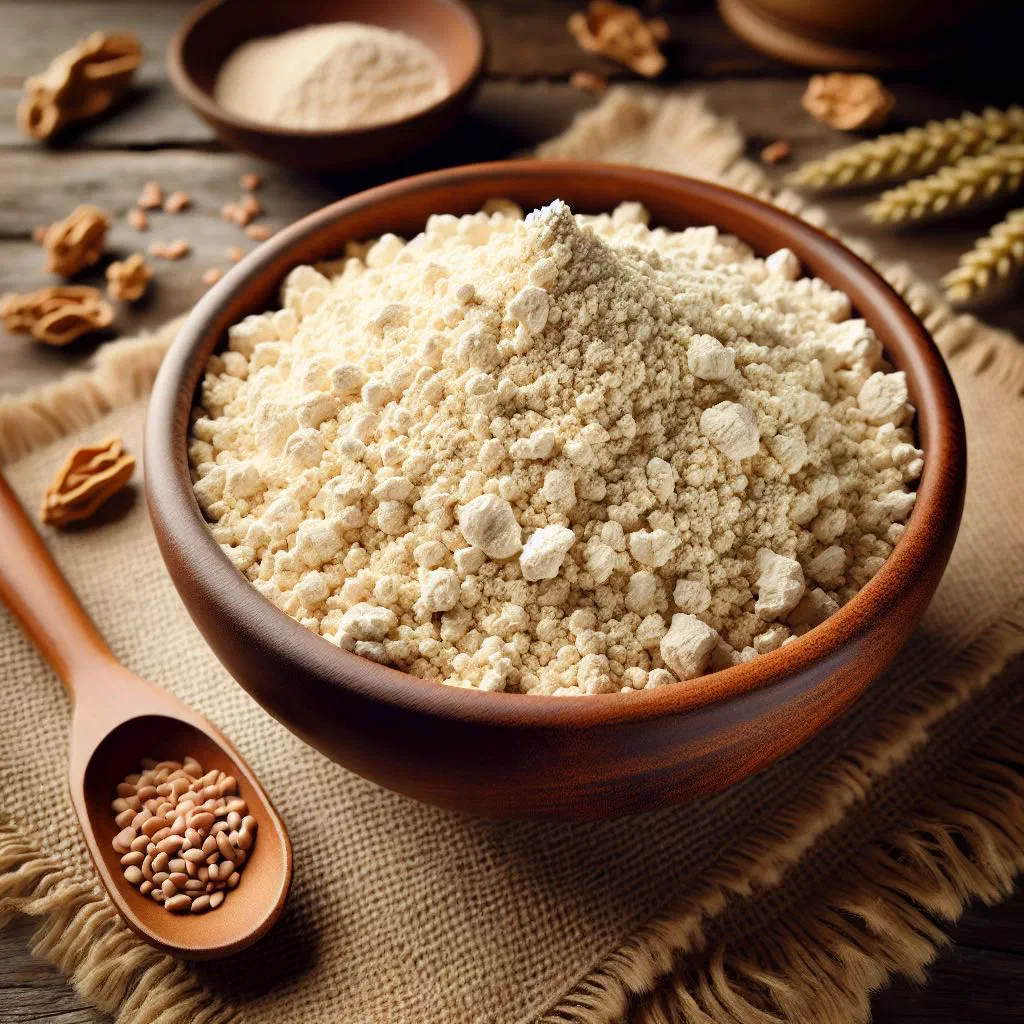
Kishk is a fascinating dish from Lebanon that offers a remarkable blend of flavour and tradition. It is made from fermented wheat and yoghurt, which give it a wonderfully distinctive texture. More than just nourishing, the dish is a delicious way to look at the rich culinary heritage of Lebanon. Kishk can be served either as a main course or as a side, and it lends itself to many different methods of preparation.
Ingredients (serves 1–2)
- 200 g fermented wheat dough
- 300 ml yoghurt
- 1 onion, finely chopped
- 2 tablespoons olive oil
- 1 teaspoon garlic, crushed
- ½ teaspoon cumin
- Salt and pepper, to taste
- Fresh herbs, to garnish (such as parsley or mint)
Shopping for the ingredients
When shopping for kishk, it is worth choosing good-quality ingredients to get the best results. The fermented wheat is the heart of the dish and should be fresh or homemade. For the yoghurt, a creamy variety works best to bring out the fullness of flavour. Fresh herbs should not be overlooked either, as they brighten the dish visually and add an extra layer of aroma. Many of these staples are easy to find in a Middle Eastern grocery.
Preparing the dish
Preparing kishk is quick and straightforward. Begin by setting out all your ingredients so the cooking process runs smoothly from start to finish. The fermented wheat can be soaked in water to improve its consistency. While it soaks, prepare the onion and garlic, which together form the flavour base of the dish.
Step-by-step instructions
- Heat the olive oil in a pan and fry the onion until golden brown.
- Add the crushed garlic and cook briefly to release its aroma.
- Stir in the soaked wheat dough and toast it for a few minutes.
- Pour in the yoghurt and stir well until you reach a creamy consistency.
- Season the dish with cumin, salt and pepper to taste.
- Serve the kishk hot, garnished with fresh herbs.
Gluten-free / lactose-free version
For anyone living gluten-free or lactose-free, there are easy alternatives to the traditional ingredients. Instead of wheat dough, you can use gluten-free flour or a blend of rice flour and cornflour. In place of dairy yoghurt, a plant-based option such as coconut yoghurt works beautifully. These small swaps preserve the essence of the dish while adapting it to specific dietary needs.
Tips for vegans and vegetarians
Vegans can enjoy kishk simply by replacing the animal-based ingredients. Swap the dairy yoghurt for a plant-based yoghurt to achieve the same creamy taste. Adding vegetables can enrich the dish further and provide extra nutrients. Whether through a splash of vegetable stock or a handful of fresh produce, the creative possibilities are almost endless, much like the meat-free abundance of Loubiyeh bil Zeit.
More tips and tricks
A few simple tips and tricks can take your kishk to the next level. Experiment with different spices to tailor the dish and discover new flavour profiles. Cooking slowly over low heat helps the aromas intensify and encourages a particularly creamy consistency. Remember to add seasonal vegetables to lift the dish and bring a welcome splash of colour to the bowl.
Adapting the recipe to your taste
Adapting the recipe to your own preferences lets you make kishk exactly how you like it. Add more garlic or other spices, for example, to deepen the flavour. For a spicy kick, a pinch of chilli flakes works wonderfully. Every cook can shape their own version of the dish to suit their palate.
Ingredient substitutions
There are several substitutions for the ingredients in this recipe that can give the dish a fresh twist. In place of olive oil, you might use coconut oil or another vegetable oil. If you cannot find fermented wheat, more strongly fermented ingredients can deliver a similar tang. Small changes like these breathe new life into the dish, just as a clever swap can reinvent a hearty Moujadara Safra.
Drink pairing ideas
A range of drinks pairs beautifully with kishk and enriches the whole eating experience. A fresh mint tea is an excellent choice for balancing the tangy notes and rounding off the meal. A light rosé wine can also bring the flavours out gently without overpowering them. For non-alcoholic options, a fruity lemonade is a refreshing accompaniment.
Serving and presentation ideas
Presentation plays an important part in making kishk even more inviting. Serve it in an attractive bowl and garnish with fresh herbs or toasted nuts. A swirl of yoghurt on top adds a lovely visual touch, while colourful sides or a fresh salad such as Tabbouleh bi Burghul round out the plate in harmony.
A bit of history
Kishk has a long and fascinating history, deeply rooted in Lebanese culture and cuisine. Traditionally it served as a method of preserving food, a practice carried out in the region for generations. The combination of fermented ingredients offers a unique taste and genuine health benefits. Kishk is therefore more than a meal; it is a piece of culture that captures the very essence of Lebanese cuisine.
More recipe ideas
Summary: Kishk
In short, Kishk is one of the most versatile and nourishing dishes in Lebanese cooking. It offers countless ways to customise it and suits meat lovers and vegans alike. Its history and distinctive methods of preparation make kishk a special experience on any table. Discover the flavours of Lebanon and enjoy a dish that brings together tradition and taste.