National Dish Lebanon: Kousa Mahshi bil Riz (Recipe)
In this article
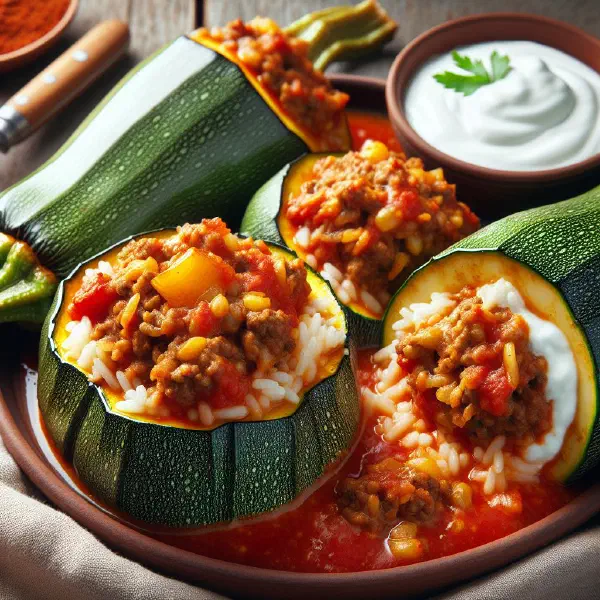
Few dishes capture the warmth of a Lebanese kitchen quite like Kousa Mahshi bil Riz, tender courgettes hollowed out and packed with spiced rice, then gently simmered in a rich tomato sauce until every bite is full of flavour. It is the kind of homely, generous cooking that brings families to the table and turns an ordinary evening into something special. Comforting yet aromatic, it carries a little of the Mediterranean sun in every spoonful.
About Kousa Mahshi bil Riz
Kousa Mahshi bil Riz is a dish that has won hearts far beyond Lebanon’s borders. It consists of stuffed courgettes filled with a mixture of rice, fragrant spices and, sometimes, minced meat. The courgettes are braised in a luscious tomato sauce that gives the dish its unmistakable character. Each mouthful offers a feast for the palate and a taste of Lebanese culture served right there on the plate.
Ingredients (serves 1–2)
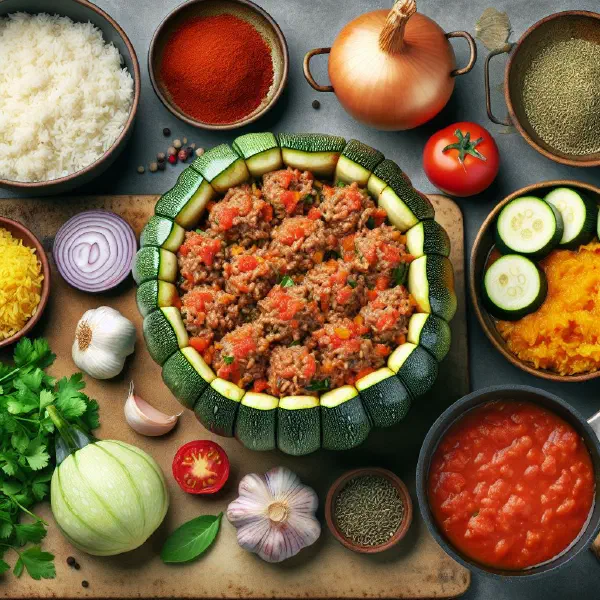
- 4 medium courgettes
- 100 g rice (basmati or short-grain)
- 1 small onion, finely chopped
- 200 g minced meat (optional)
- 2 tomatoes, diced
- 1 teaspoon paprika
- 1 teaspoon cinnamon
- Olive oil
- Salt and pepper, to taste
- 500 ml tomato sauce or passata
Shopping for the ingredients
The first step in preparing Kousa Mahshi bil Riz is sourcing good ingredients. Visit a local market or a Middle Eastern grocery to pick up fresh courgettes and good-quality rice. Choose courgettes that are firm and unblemished, as this has a real bearing on the flavour and texture of the finished dish. The spices, too, should be of the best quality so their aromas can truly shine, the same care that goes into a fragrant Makloubeh.
Preparing the dish
Good preparation is key to a successful Kousa Mahshi bil Riz. Begin by washing the courgettes and trimming off the ends. Then hollow them out with a spoon, leaving plenty of room for the filling. It also helps to soak the rice in water for 30 minutes beforehand, which shortens the cooking time and gives a better texture. If you would like to use minced meat, brown it first with the onions to coax out extra flavour.
Step-by-step instructions
- Hollow out the courgettes and set them aside.
- Combine the soaked rice with the onions, spices and optional minced meat in a bowl.
- Fill the courgettes with the rice mixture and seal the openings firmly.
- Pour the tomato sauce into a large pan and bring it to the boil.
- Carefully lower the stuffed courgettes into the sauce and simmer for 30–40 minutes.
- Serve the courgettes warm, with a scattering of fresh coriander or parsley.
Gluten-free / lactose-free version
The Kousa Mahshi bil Riz recipe offers plenty of flexibility for those with particular dietary needs. Use a gluten-free rice to make sure the dish suits anyone sensitive to gluten. For a lactose-free version, simply leave out the minced meat or swap it for a plant-based alternative. Alternatively, you can prepare the dish entirely vegetarian by skipping the meat altogether.
Tips for vegans and vegetarians
If you would like a vegan or vegetarian version, the filling is easy to adapt. In place of minced meat, use a mixture of ground nuts or pulses for extra protein and flavour. Spices such as cumin and coriander lift the dish beautifully too. These alternatives let you make a delicious meal and bring wholesome nutrients to your plate.
More tips and tricks
To deepen the rounded aroma of Kousa Mahshi bil Riz, you can add extra spices such as saffron or cardamom, which lend the dish another layer of flavour. It also helps to steam the courgettes briefly before lowering them into the sauce, keeping them tender and cooking them evenly without drying out the filling.
Adapting the recipe to your taste
One of the great strengths of the Kousa Mahshi bil Riz recipe is its versatility. You can use different vegetables such as peppers or aubergines to vary the filling. The spices, too, can be adjusted to suit your own palate, so do experiment to discover new flavours. Let your creativity run free and shape the dish exactly to your liking, much like the homely comfort of Malfouf.
Ingredient substitutions
If you do not have courgettes to hand, you can try the recipe with aubergines or peppers instead. These vegetables offer a similar texture and soak up the flavours of the filling just as well, a trick also used for Stuffed Artichokes. For a lighter, lower-calorie option, cauliflower makes a good base too, keeping the dish just as tasty and easy to digest.
Drink pairing ideas
This delicious Lebanese dish goes best with fresh juices or herbal teas. A classic mint tea or a glass of pomegranate juice complements the flavours perfectly. A light white wine could also support the overall composition without overpowering it. Serve the drinks well chilled to bring a sense of harmony to the meal.
Serving and presentation ideas
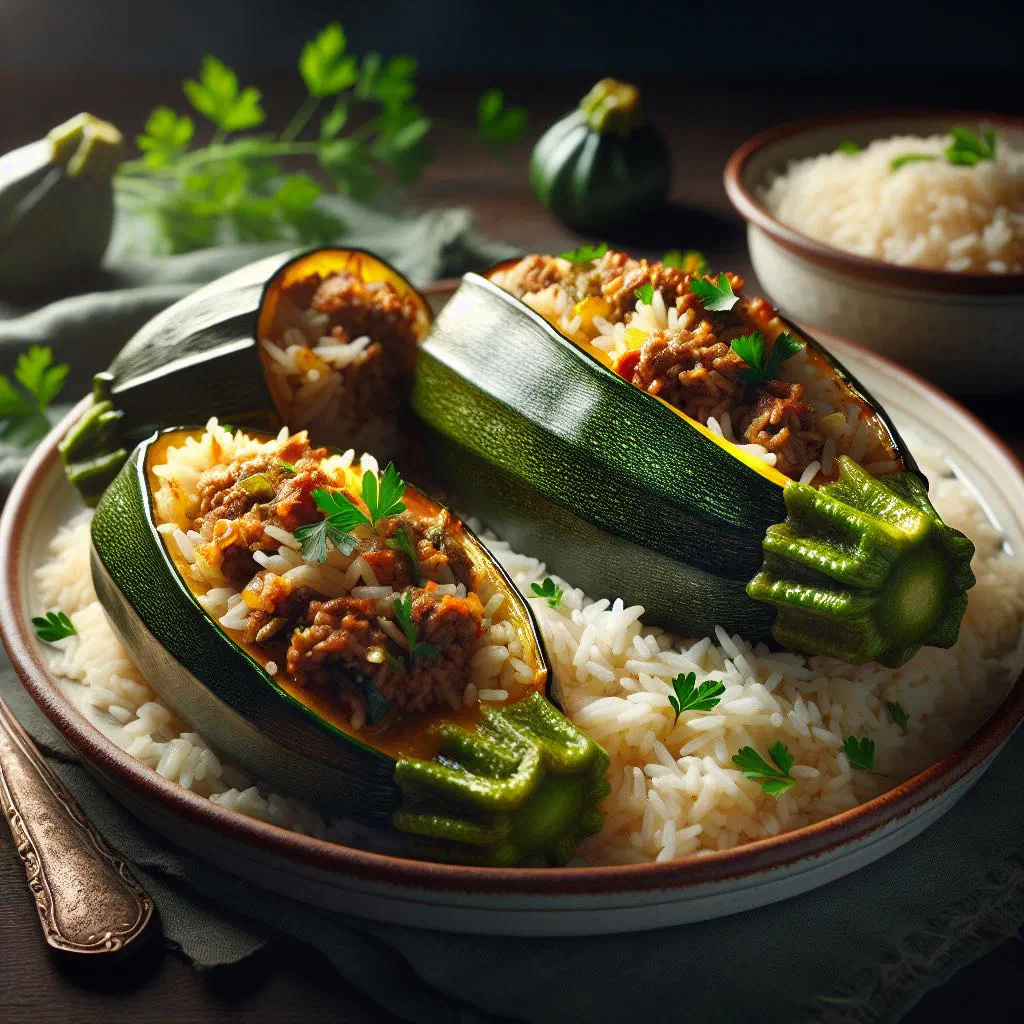
An attractive presentation makes Kousa Mahshi bil Riz all the more appealing. Serve the courgettes on a large platter, surrounded by the rich tomato sauce. For a splash of colour, scatter fresh herbs such as parsley or coriander over the top. A decorative garnish of lemon slices adds a fresh touch and lends the dish an elegant look, a fine centrepiece alongside Tabbouleh bi Burghul.
A bit of history
Kousa Mahshi bil Riz has a fascinating history rooted deep in Lebanese cooking. The dish is thought to have grown out of the tradition of using up leftover ingredients and combining them in inventive ways. The use of courgettes also reflects the Mediterranean climate, which yields an abundance of fresh vegetables. Over the years the dish has evolved and remains hugely popular with locals and visitors alike, a cornerstone of Lebanese cuisine.
More recipe ideas
Summary: Kousa Mahshi bil Riz
In short, Kousa Mahshi bil Riz is not merely a dish but a piece of culture brought to the table. Flavourfully stuffed courgettes hold the aromas of Lebanon and offer an experience that is at once satisfying and inspiring. It is perfect for sociable gatherings or as a hearty family meal. Give this recipe a try and bring a little Lebanese tradition into your own home.