National Dish Lebanon: Kousa Mahshi (Recipe)
In this article
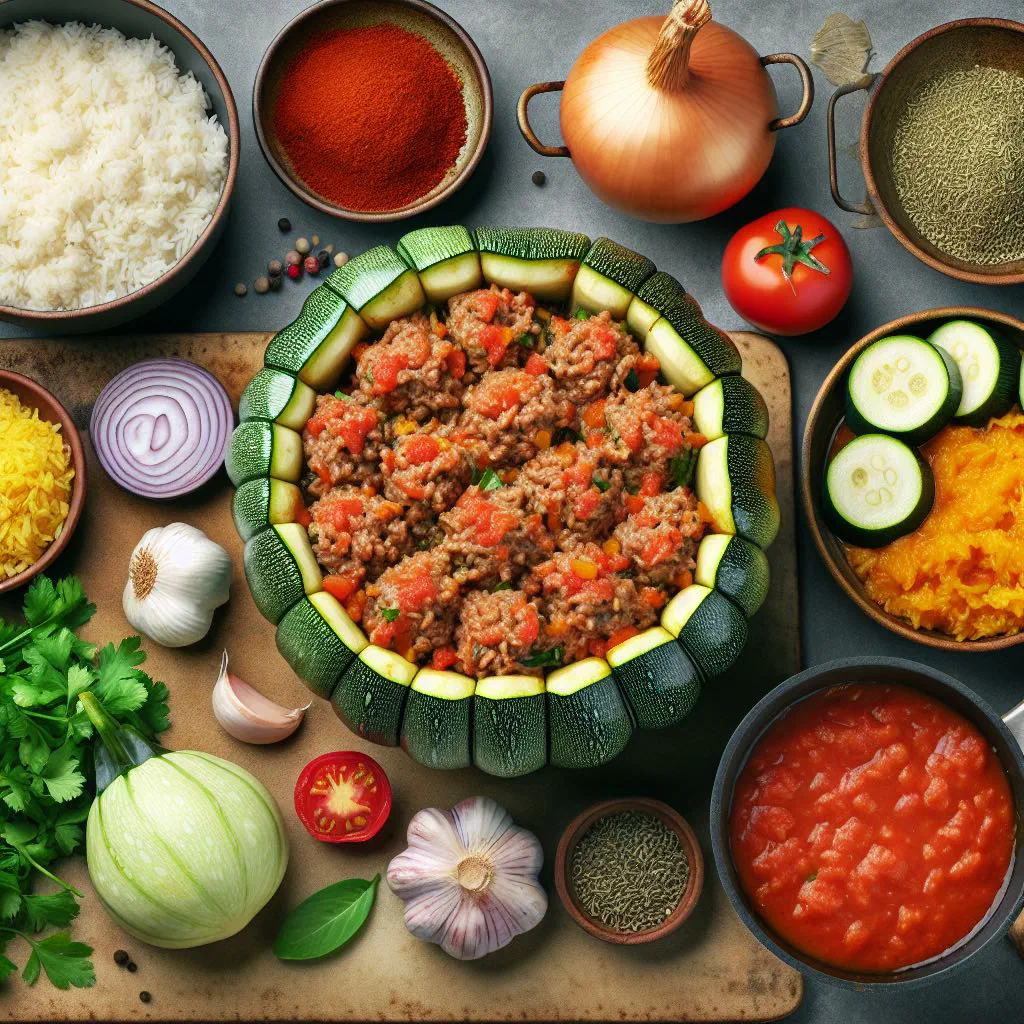
Say hello to Kousa Mahshi, one of the most cherished dishes on any Lebanese table. Tender courgettes are hollowed out and filled with a fragrant blend of rice and minced meat, then gently simmered in a rich tomato sauce until everything is meltingly soft. Warmed with cinnamon and cumin, it is the kind of comforting, generous food that brings family together. Bring a taste of Beirut to your own kitchen with this timeless classic.
About Kousa Mahshi
Kousa Mahshi is a traditional Lebanese dish that wins people over with its remarkable flavour and with the care that goes into making it. The star ingredient, the courgette, is carefully hollowed out and filled with a savoury mixture of rice and minced meat. This filling is lifted with a range of aromatic spices that give the dish its unmistakable character. Kousa Mahshi is usually braised in a spiced tomato sauce, which lends both the courgettes and the filling extra depth of flavour.
Ingredients (serves 1–2)
- 2–4 medium courgettes
- 100 g minced meat (beef or lamb)
- 75 g rice (long-grain or short-grain)
- 1 onion, finely chopped
- 2 garlic cloves, crushed
- 1 teaspoon cinnamon
- 1 teaspoon cumin
- 2–3 tablespoons tomato purée
- 400 ml tomato sauce
- Salt and pepper, to taste
- Fresh parsley, to garnish
Shopping for the ingredients
When making Kousa Mahshi, it is well worth seeking out the freshest ingredients you can find. Visit your local market or a Middle Eastern grocery to track down the best courgettes and spices. Make sure the rice is of good quality, as this affects both the texture and the flavour of the finished dish. For the meat, a blend of beef and lamb is recommended to achieve a particularly aromatic result.
Preparing the dish
Preparation is a crucial step in getting Kousa Mahshi just right. Start by carefully hollowing out the courgettes without damaging the skin, a teaspoon or a special corer makes this easy. Next, prepare the filling by mixing the minced meat thoroughly with the rice, the spices and the onion to create an even, well-seasoned mixture ready for stuffing.
Step-by-step instructions
- Carefully hollow out the courgettes.
- Combine the minced meat, rice, onion, garlic and spices well in a bowl.
- Fill the courgettes with the mixture, taking care not to pack it in too tightly.
- In a large pan, fry off the tomato purée, then arrange the stuffed courgettes inside.
- Pour the tomato sauce over the top and bring to the boil.
- Reduce the heat and let the dish simmer gently for around 30–40 minutes.
- Garnish with fresh parsley before serving.
Gluten-free / lactose-free version
Kousa Mahshi is naturally gluten-free, as long as you make sure the rice you use is gluten-free too. The original recipe contains no lactose, which makes the dish an ideal choice for anyone with a lactose intolerance. Do check the tomato sauce for any hidden additives to be certain there is no lactose lurking there. That way everyone can enjoy this delicious dish, whatever their dietary needs.
Tips for vegans and vegetarians
For a vegan version of Kousa Mahshi, swap the minced meat for a plant-based alternative such as lentils or a mix of quinoa and nuts. The rice stays the same, but the spices are key to building up the flavour. Instead of the tomato sauce you could also use a vegetable stock for a lighter result. Let your creativity run free and conjure up a dish that suits your own preferences, much like the all-vegetable Loubiyeh bil Zeit.
More tips and tricks
A few simple tips can make preparing Kousa Mahshi far easier. Take care not to stuff the courgettes too firmly, as the rice swells during cooking and the courgettes can split. You can also vary the filling as you like, pine nuts or raisins, for example, add a touch of sweetness. Experiment with the spices to bring a personal note to your dish.
Adapting the recipe to your taste
Adapting Kousa Mahshi to your own preferences is easy and good fun. You can stuff different vegetables or even use different kinds of meat. The recipe also lends itself beautifully to whatever vegetables are in season, so you can always work with fresh, local produce. This gives your dish a different flavour and contributes to more sustainable cooking.
Ingredient substitutions
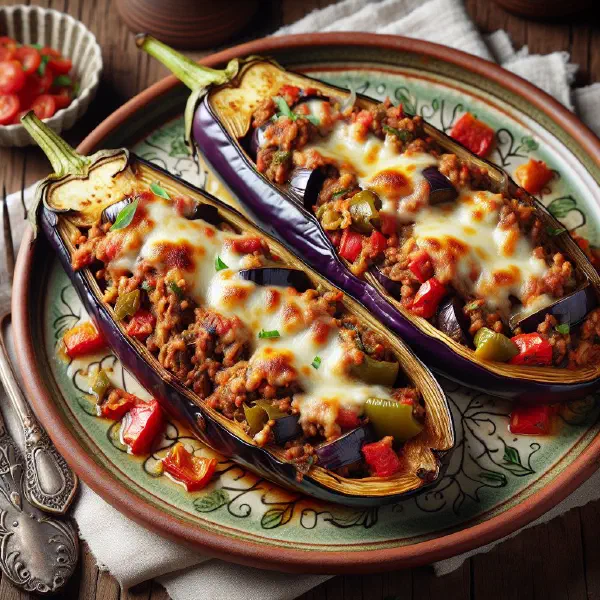
If you do not have every ingredient to hand, there are plenty of alternatives you can use without losing the character of the dish. Instead of courgettes, you might use peppers or aubergines, much as you would for Fattet Makdous. For a vegetable filling, chickpeas or tofu are excellent options. When it comes to the spices, local herbs and blends can offer an interesting change of pace.
Drink pairing ideas
A range of drinks pairs nicely with Kousa Mahshi and rounds off the experience. A chilled Lebanese wine or a refreshing sparkling water with lemon harmonises perfectly with the flavours of the dish. For a non-alcoholic option, a mint tea works wonderfully, echoing the freshness of the meal. Whichever you choose, it is sure to sit happily alongside the delicious courgettes.
Serving and presentation ideas
A thoughtful presentation can make the dish even more appealing. Arrange the stuffed courgettes in an attractive serving dish and garnish them with fresh herbs. A squeeze of lemon looks the part and rounds off the flavour. If you like, you can serve sides such as yoghurt or hummus to balance the tastes, the same generous, shareable spirit you find in Tabbouleh bi Burghul.
A bit of history
Kousa Mahshi has its roots in the kitchens of Lebanon and is closely tied to the broader Arab food culture. The dish is often prepared together by large families and is a symbol of hospitality and togetherness. Many households have their own secret recipes, handed down from one generation to the next. In this way Kousa Mahshi connects flavours and the traditions and history of Lebanon, a thread that runs through so much of Lebanese cuisine.
More recipe ideas
Summary: Kousa Mahshi
Kousa Mahshi is a delicious and traditional dish of Lebanese cuisine that shines through the sheer variety of its flavours. The combination of courgettes, a rich filling and a spiced tomato sauce makes it ideal for festive occasions or a cosy supper with family and friends. With a few simple tweaks and variations, you can tailor the recipe to your own taste and enjoy it whenever you please. The dish is a calling card for Lebanese food culture and a wonderful way to explore new flavours and experiences.