National Dish Lebanon: Maakaroun bi Debs (Recipe)
In this article
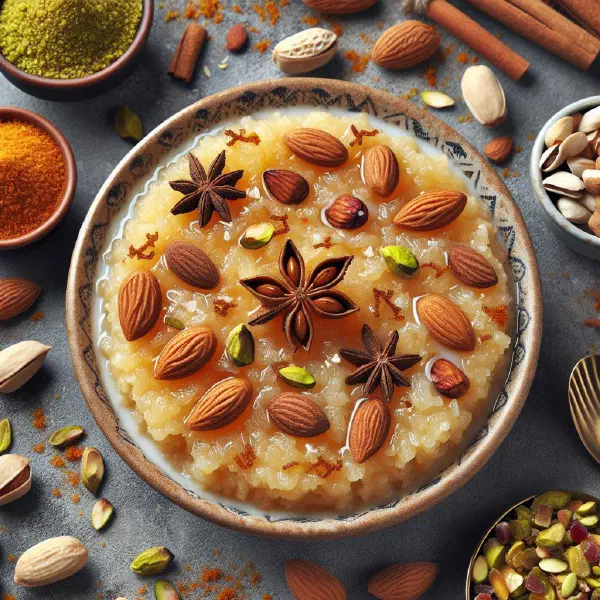
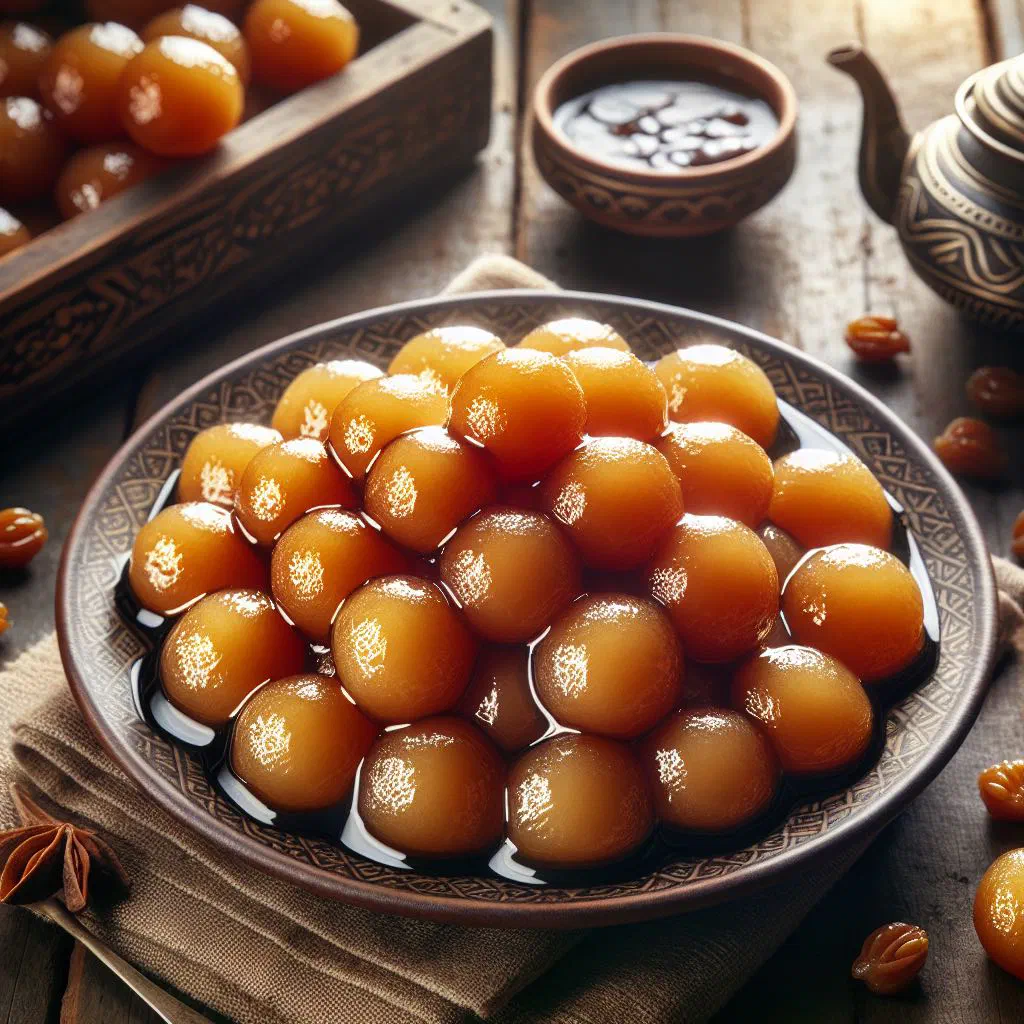
Meet Maakaroun bi Debs, a comforting Lebanese speciality that brings together tender little dough noodles and the deep, honeyed sweetness of dates. Finished with a scattering of toasted nuts, it is the kind of dish that appears on the table when the weather turns cold and everyone craves something warming. Equally at home as a hearty main or a gentle dessert, it carries all the warmth and generosity of Lebanese cooking straight into your kitchen.
About Maakaroun bi Debs
Maakaroun bi Debs is a much-loved traditional Lebanese dish that makes any lover of good food sit up and take notice. Delicate dough noodles are tossed in an appealing blend of sweet dates and nutty aromas, creating something that feels both rustic and indulgent. It is often served during the colder months, when the longing for warming, restorative food is at its strongest. Maakaroun bi Debs brings the flair of Lebanon right to your table.
Ingredients (serves 1–2)
- 200 g fresh or dried dates
- 100 g flour (or gluten-free flour)
- ½ teaspoon salt
- 1 tablespoon olive oil
- Water, as needed
- Chopped nuts (such as almonds or walnuts), to garnish
Shopping for the ingredients
When shopping for the ingredients for Maakaroun bi Debs, it is worth seeking out good-quality dates, ideally Medjool dates, as they are especially sweet and juicy. The flour can vary according to taste and dietary needs, and gluten-free flour is an excellent option for anyone with an intolerance. Fresh nuts are a worthwhile choice for finishing the dish, while spices such as cinnamon or nutmeg can be added to lend a particular warmth and depth.
Preparing the dish
Before you begin making Maakaroun bi Debs, gather all of your ingredients so everything is within easy reach. The dates can be stoned and cut into small pieces according to preference. Sift the flour into a bowl to avoid any lumps forming in the dough. Make sure, too, that you have your tools to hand, a rolling pin and a large pan, to keep the whole process running smoothly.
Step-by-step instructions
- Warm the dates in a pan with a little water until they soften.
- Combine the flour with the salt in a bowl, gradually adding water to form a smooth dough.
- Roll the dough out and cut it into small noodles.
- Cook the noodles in a large pan of salted water until they are al dente.
- Drain the cooked noodles and toss them with the warm dates.
- Garnish the dish with chopped nuts and serve.
Gluten-free / lactose-free version
For a gluten-free version of Maakaroun bi Debs, swap the wheat flour for a gluten-free flour such as rice flour or buckwheat flour. The dish is already perfectly suited to a lactose-free diet, as it contains no animal products at all. Do take care to check processed ingredients for hidden dairy when you shop. That way the recipe stays accessible to anyone with an intolerance, as well as to health-conscious food lovers.
Tips for vegans and vegetarians
Maakaroun bi Debs is naturally vegan and vegetarian, since it relies entirely on plant-based ingredients. To enrich the dish further, you can stir in a little plant-based nut butter, which gives the recipe a creamier consistency. Experimenting with spices such as cardamom or a pinch of Himalayan salt can also bring out intriguing new flavour notes. These small touches make the dish more varied and, if anything, even more wholesome.
More tips and tricks
To get the very best from your Maakaroun bi Debs, make sure the dates are well chilled and prepared in advance so they are easier to slice. It helps, too, to have something for decoration to hand, such as fresh mint or toasted nuts, to make the dish look as good as it tastes. You can also vary the cooking temperature slightly to achieve that perfect al dente bite in the noodles. Together these small details turn a simple plate into a real burst of flavour.
Adapting the recipe to your taste
Maakaroun bi Debs is wonderfully easy to adapt to suit different palates. Add a handful of chocolate chips, for instance, if you prefer a sweeter result. You might also experiment with other dried fruits, such as apricots or prunes, to bring more variety to the dish. Consider, too, whether you like it softer or drier, adjusting the quantity of dates or water to suit. In this way the recipe can be made to please every taste.
Ingredient substitutions
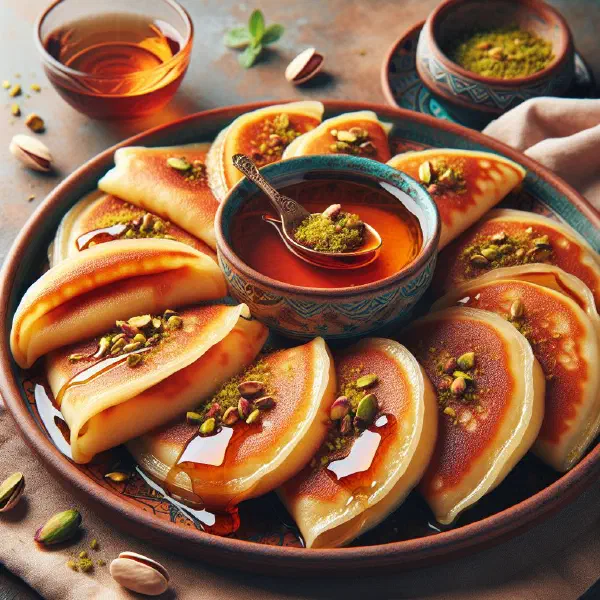
If you happen to be missing an ingredient, there are plenty of alternatives to the main components of Maakaroun bi Debs. Honey or agave syrup can stand in for the dates if you would rather the sweetness be more subtle. For the nutty garnish, you might reach for pistachios or cashews instead, much like the nuts that crown a rich plate of Knafeh. This flexibility gives you a recipe that adapts easily without losing any of its character.
Drink pairing ideas
To round off the experience of Maakaroun bi Debs, it pairs beautifully with refreshing drinks. A cup of mint tea works wonderfully and echoes the aromatic notes of the dish. A fruit smoothie or a glass of freshly pressed pomegranate juice also makes an excellent companion. These drinks create a pleasing harmony between what is on the plate and what is in the glass.
Serving and presentation ideas
Presentation can make all the difference to how Maakaroun bi Debs is received. Serve it on an attractive plate and garnish generously with chopped nuts and fresh herbs such as mint or parsley. A small pinch of cinnamon scattered over the top adds flavour and visual appeal. The colours and textures of the ingredients ensure the dish becomes a genuine highlight on any dining table.
A bit of history
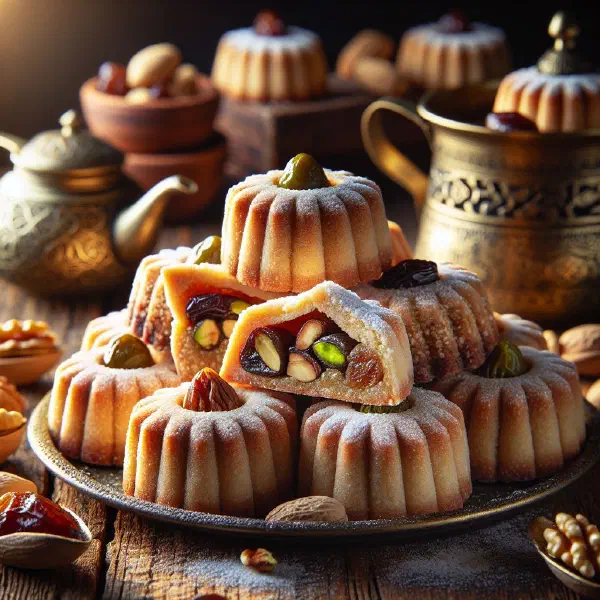
Lebanese cuisine has a history with its roots firmly in the eastern Mediterranean. Maakaroun bi Debs is a fine example of the Lebanese tradition of making noodles by hand, often combining them with both sweet and savoury ingredients. In many Lebanese families this dish is passed down from one generation to the next, and it is far more than just a meal. It is a symbol of community and hospitality. It shows how a handful of simple ingredients, prepared with care, can become a memorable experience, much like the celebrated sweets Maamoul and Meghli.
More recipe ideas
Summary: Maakaroun bi Debs
Maakaroun bi Debs is an extraordinary dish that captures the cultural traditions and culinary variety of Lebanon. The combination of dough noodles and sweet dates reveals the flavours of Arabic cooking and offers a truly unique experience. Its flexibility in preparation and adaptation makes it an ideal choice for any occasion. Enjoy this Lebanese speciality and bring a touch of the Levant into your own kitchen.