National Dish Lebanon: Ma'amoul (Recipe)
In this article
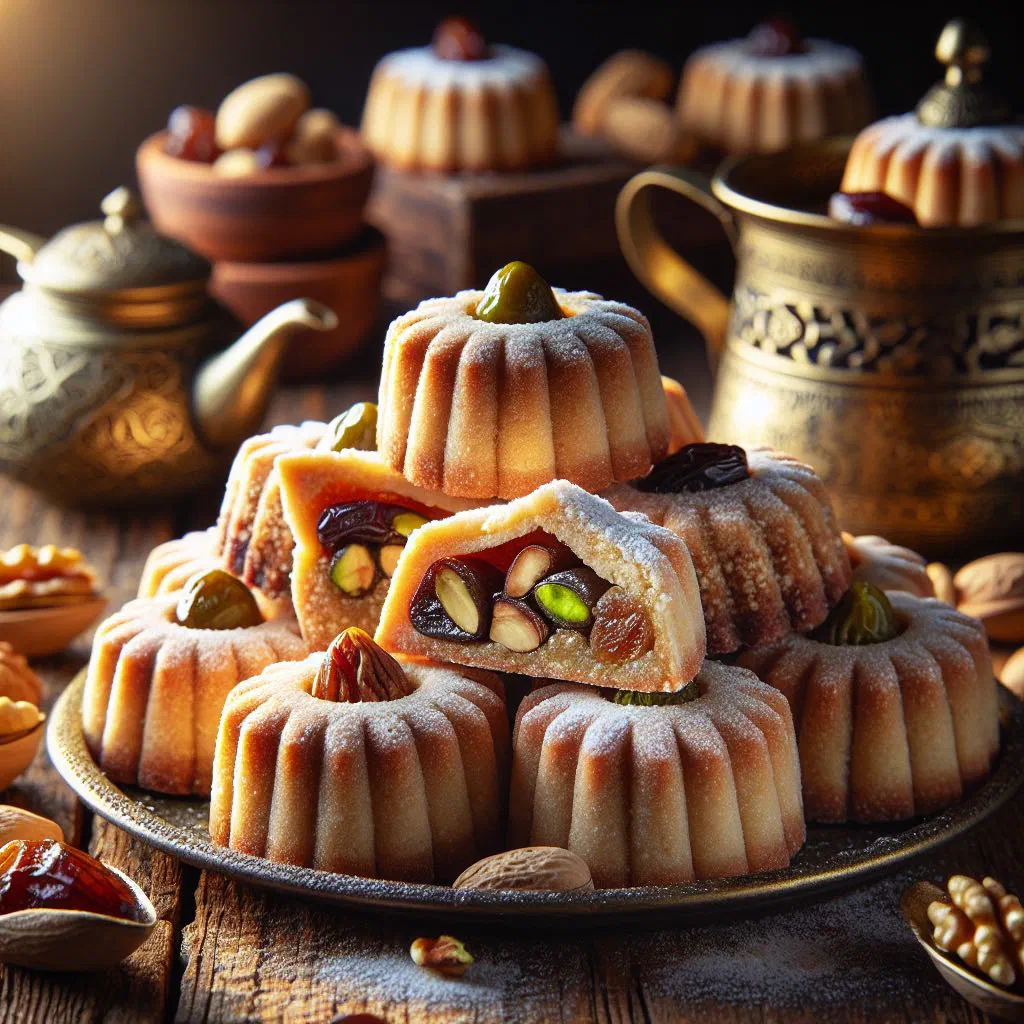
Discover Ma’amoul, one of Lebanon’s most treasured sweet traditions. These delicate, filled cookies marry a tender semolina dough with rich centres of dates, nuts or figs, and they appear on the table at every joyful occasion. Scented with rose water and shaped in beautifully patterned moulds, they are as much a feast for the eyes as for the palate. Bring a little of the Levant’s festive spirit straight into your own kitchen.
About Ma’amoul
Ma’amoul is a traditional Lebanese pastry that is beloved not only across the Arab world but has also earned a following far beyond it. These tender, filled cookies are very good for the senses, served most often at special moments such as holidays and weddings. The fillings are usually made from dates, nuts or figs, which form a harmonious partnership with the dough of semolina and flour. What makes Ma’amoul truly special is the artistry with which the cookies are shaped and stuffed, turning them into a real centrepiece on any festive table.
Ingredients (serves 1–2)
- 200 g fine semolina
- 150 g plain flour
- 100 g butter
- 50 g icing sugar
- 1 teaspoon baking powder
- 1/2 teaspoon ground cinnamon
- Filling of your choice: 100 g dates, nuts or figs
- Water or rose water, as needed
Shopping for the ingredients
To make Ma’amoul well, it pays to buy good-quality ingredients. Many of the basics such as semolina, flour and sugar are easy to find in any supermarket. For the filling, however, you should choose fresh dates or top-quality nuts to coax out the best aroma. The rose water, which can optionally be worked into the dough, is often stocked in specialist international food shops.
Preparing the dish
Before you start making the Ma’amoul, it is important to have all your ingredients well prepared and within easy reach. Begin by sorting and chopping the dates, nuts or figs for the filling. These should be mixed thoroughly so the flavours are evenly spread throughout. Special Ma’amoul moulds, or even a simple biscuit press, are useful for giving the cookies their characteristic shape and pattern.
Step-by-step instructions
- Cream the butter together with the icing sugar until light and fluffy.
- Add the flour, semolina, baking powder and cinnamon, then mix well.
- Gradually pour in water or rose water until you have a smooth, pliable dough.
- Let the dough rest while you prepare the filling.
- Combine your chosen filling (dates, nuts or figs) thoroughly.
- Divide the dough into small portions and press each into the mould.
- Place the filling in the centre of each portion and seal the dough around it.
- Turn the cookies out of the mould and arrange them on a baking tray.
- Bake in a preheated oven at 180 °C for about 15–20 minutes, until golden.
Gluten-free / lactose-free version
Ma’amoul can also be made gluten-free and lactose-free by using alternative flours such as rice flour or almond flour. For the butter, plant-based margarine or coconut oil make fine substitutes and lend the cookies an extra note of flavour. Keep an eye on the baking time, as the consistency of the dough can vary. That way, anyone with food intolerances can still enjoy these delicious cookies.
Tips for vegans and vegetarians
Vegans can make Ma’amoul by swapping the butter for a plant-based fat and using water rather than eggs to bind the dough. The date and nut fillings are already vegan, which makes the recipe wonderfully versatile. To give the cookies an extra lift, add a few drops of vanilla extract. Small tweaks like these let you adapt a traditional recipe to a modern diet without losing any of the flavour.
More tips and tricks
To achieve the perfect consistency for your Ma’amoul dough, it is important to measure the ingredients precisely and add the water gradually. Let the dough rest for at least 30 minutes before shaping so it can absorb the moisture properly. You can also fold in spices such as allspice or a pinch of ground cloves to give the pastry a personal touch. Experiment with the filling by adding dried fruit or chocolate to discover new flavours.
Adapting the recipe to your taste
The Ma’amoul recipe is flexible and easily tailored to personal preference. You might vary the type and quantity of the filling, for example, to create different flavour combinations. The thickness of the dough can be adjusted too, thinner cookies turn out crisper, while thicker ones offer a softer bite. Use these possibilities to craft your very own Ma’amoul that your friends and family will love.
Ingredient substitutions
If some of the ingredients are not to hand, there are plenty of alternatives that keep making Ma’amoul a pleasure. In place of dates, other dried fruits such as apricots or mangoes bring a sweet note of their own. For the nuts, almonds or walnuts work beautifully and enrich the cookies just as well, the same fruity sweetness shines in Maakaroun bi Debs.
Drink pairing ideas
A range of drinks pairs nicely with Ma’amoul and rounds off the experience. Arabic coffee or black tea are the traditional companions, balancing the sweetness of the cookies. Alternatively, fruity teas such as mint or hibiscus also harmonise very well. For special occasions, alcohol-free cocktails or a homemade lemonade help underline the festive mood.
Serving and presentation ideas
Ma’amoul is prized as a delicious treat and for its inviting appearance. To present the cookies beautifully, arrange them on an attractive plate and dust them generously with icing sugar. A decorative bowl of fresh fruit or nuts can complement the colourful display, much as you might serve alongside a creamy Halawet el Jibn. Cloth napkins or a pretty tablecloth help to round out the festive ambience.
A bit of history
The history of Ma’amoul is rich and varied, reaching back into antiquity. These cookies originally came from the Middle East, where they were treasured as festive pastries. The tradition of making Ma’amoul has endured across the generations and is passed down in many families from parents to their children. Each country has its own version and special recipes, which are often kept secret, making Ma’amoul a fascinating part of Lebanese cuisine.
More recipe ideas
Summary: Ma’amoul
Ma’amoul is more than just a pastry; it is an experience that brings together tradition, culture and joy. These tender cookies, filled with their delicious centres, draw family and friends around the table and create memorable moments. Thanks to the endless variety of preparations and fillings, everyone can craft their own personal Ma’amoul. Let this traditional Lebanese delicacy inspire you and try making Ma’amoul yourself, a treat for the heart and the palate alike.