National Dish Lebanon: Makdous (Recipe)
In this article
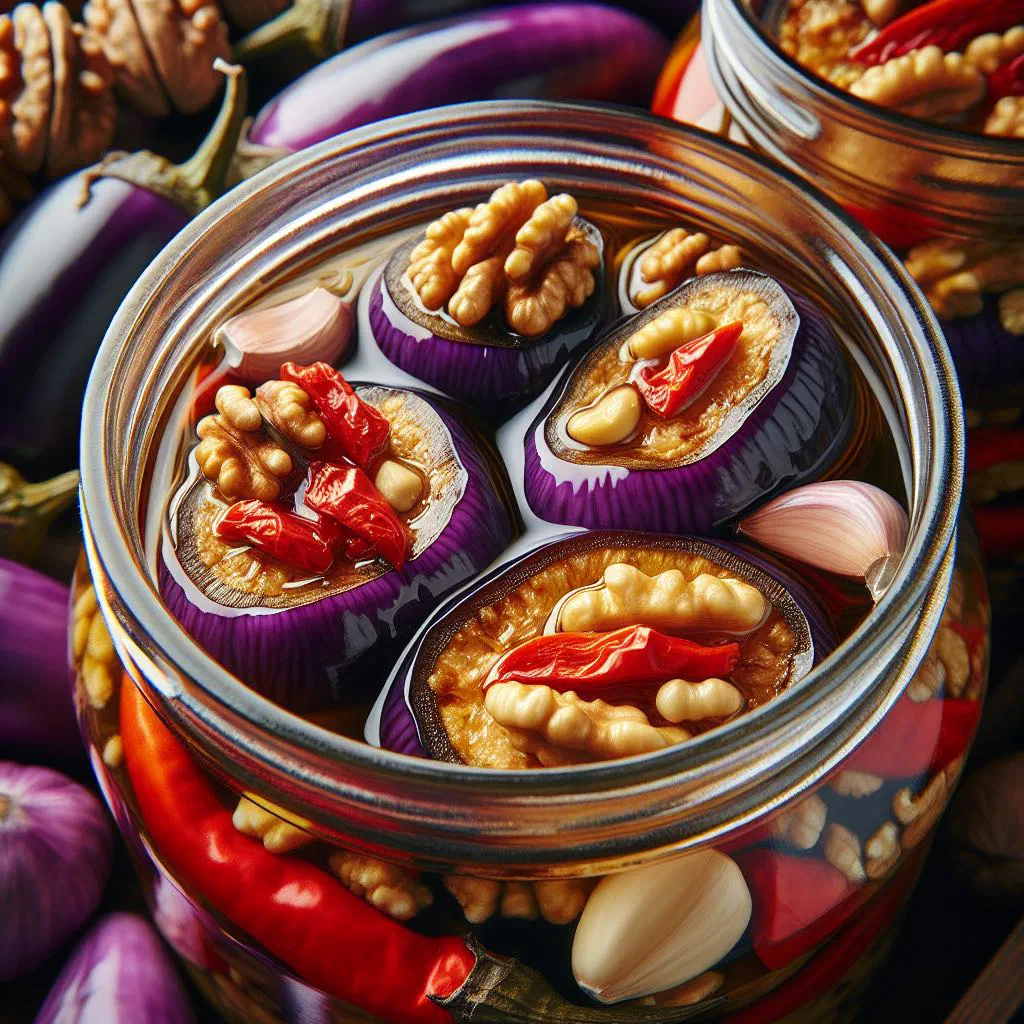
Meet Makdous, one of Lebanon’s most cherished preserves, petite aubergines slowly cured in olive oil and packed with a heady filling of walnuts, garlic and chilli. Every mouthful delivers plenty of flavour that is at once aromatic and pleasantly piquant. Traditionally put up in late summer and enjoyed all through the colder months, these little jewels capture the warm, generous spirit of the Lebanese table.
About Makdous
Makdous is far more than a humble side dish in Lebanon; it has earned a place across many kitchens of the Mediterranean. The star ingredient, the aubergine, is carefully prepared to give a perfect canvas for its savoury stuffing. Each bite unfolds in layers that are both aromatic and piquant, and the partnership of crunchy walnuts, pungent garlic and fiery chilli turns these small morsels into something truly memorable. Served as part of a mezze spread or simply with bread, they bring the soul of Lebanese cooking straight to your table.
Ingredients (serves 1–2)
- 2 medium aubergines
- 100 g walnuts
- 3–4 cloves garlic
- 1 tsp chilli (to taste)
- Olive oil, for curing
- Salt, to taste
Shopping for the ingredients
To find the best ingredients for your makdous, it is worth seeking out an organic shop or a Middle Eastern grocery. Choose fresh, firm aubergines, as these give the best texture and flavour. The walnuts should be top quality too, ideally unsalted and raw. For the spices and the olive oil, reach for premium products, as these will intensify the aroma of the finished makdous and reward your patience while it cures.
Preparing the dish
Preparing makdous is straightforward, though it asks for a little patience and care. Begin by washing the aubergines and trimming off the ends. Next, slit each aubergine lengthways without cutting all the way through, so you create a small pocket for the filling. While the aubergines soften in their cooking water, make up the stuffing of walnuts, garlic and chilli, mixing well so the flavours mingle thoroughly before they go in.
Step-by-step instructions
- Soak the aubergines in salted water and leave them to steep for 30 minutes.
- Rinse the aubergines and simmer them in a pan of water for about 10–15 minutes until soft.
- Meanwhile, finely chop the walnuts, garlic and chilli and mix them together well.
- Let the cooked aubergines cool, then carefully fill each pocket with the walnut mixture.
- Pack the stuffed aubergines into a jar and cover completely with olive oil.
- Leave to cure for at least a week so they soak up the oil and the spices.
Gluten-free / lactose-free version
Makdous is naturally gluten-free and lactose-free, which makes it an excellent choice for anyone with these intolerances. Do take care, though, when selecting your ingredients, particularly the olive oil, to avoid any unwanted additives or preservatives. Choosing clean, simple products this way ensures your dish is not only delicious but wholesome too, much like the bright Rahib salad that also relies on fresh, unfussy aubergine.
Tips for vegans and vegetarians
Makdous is the perfect dish for vegans and vegetarians, as it contains no animal products at all. To keep the recipe fully plant-based, use organic-certified spices and oils. These stuffed aubergines pair beautifully with a fresh salad and a little bread for a nourishing, balanced meal, and they sit happily alongside other plant-based favourites such as Loubiyeh bil Zeit. Feel free to play with different spices or fillings to suit your own taste.
More tips and tricks
A simple trick for deepening the flavour of your makdous is to let the aubergines soak a little longer in water before stuffing them. This reduces any bitterness and helps them absorb the filling’s flavours more readily. Depending on your preference, you can also reach for other nuts such as almonds or pistachios. Experiment with different fillings and you may well discover a combination that is entirely your own.
Adapting the recipe to your taste
The makdous recipe is wonderfully flexible and easy to tailor to personal preference. Add more or less chilli depending on how much heat you enjoy, or try different spices to uncover new flavours. A little lemon juice stirred into the filling adds a fresh twist that many cooks love.
Ingredient substitutions
If you have no walnuts to hand, you can swap in other nuts such as hazelnuts or cashews. These alternatives offer a similar texture and can enrich the dish in their own way. There are options for the oil too, avocado oil makes a healthy, flavourful choice. Experimenting with different ingredients can lead to exciting new flavours and broaden your makdous repertoire, just as a clever swap can transform a Tabbouleh bi Burghul.
Drink pairing ideas
A variety of drinks pair beautifully with makdous and underline its Mediterranean character. A medium-bodied red wine or a refreshing rosé complements the flavours of the dish handsomely. For a softer option, freshly squeezed lemon juice or a cup of mint tea rounds off the piquant notes nicely. These pairings help turn your meal into a memorable occasion.
Serving and presentation ideas
Presenting makdous can be simple yet striking. Arrange the stuffed aubergines on a pretty serving platter, generously garnished with fresh herbs. Add slices of home-baked bread or warm pita alongside to create an inviting picture. A scattering of olives and a few pickled vegetables on the platter completes the scene and lends the whole spread a relaxed Mediterranean air. Perfect served with a smoky Baba Ghanouj bi Lahme.
A bit of history
Makdous has a long tradition in Lebanese cuisine and is a symbol of the warm hospitality so prized across the region. The dish is often made in the summer months, when aubergines are fresh and harvested in abundance. The art of curing has been preserved across generations, with many families developing their own particular versions. This heritage makes makdous a delicious preserve and a living part of Lebanon’s cultural identity.
More recipe ideas
Summary: Makdous
Makdous is more than just a delicious appetiser; it is a piece of Lebanese culture and tradition. With its distinctive filling and unmistakable flavour, it is a genuine delicacy that suits all manner of occasions. It brings a touch of Mediterranean flair to your table. Give this captivating dish a try and let the flavours of Lebanon work their magic on you.