National Dish Lebanon: Malfouf (Recipe)
In this article
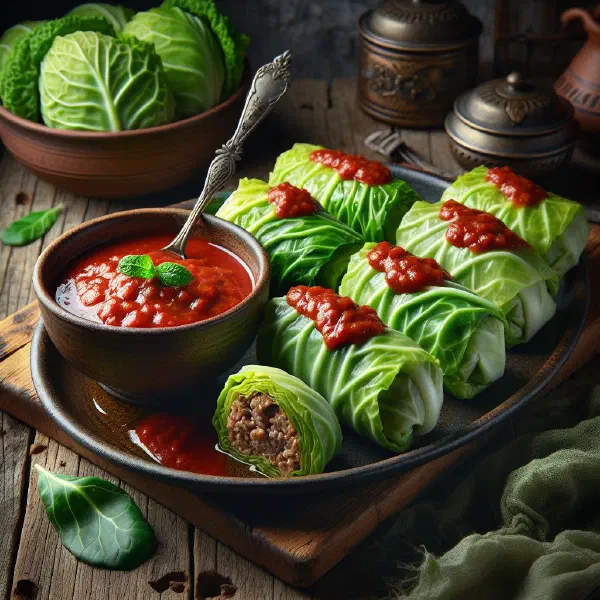
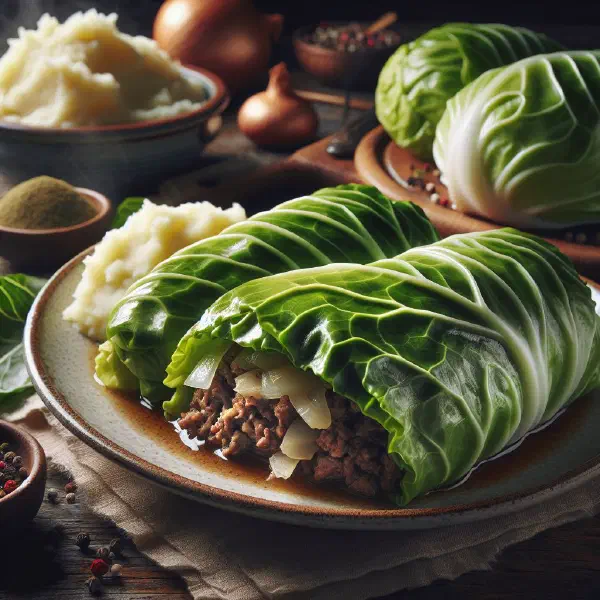
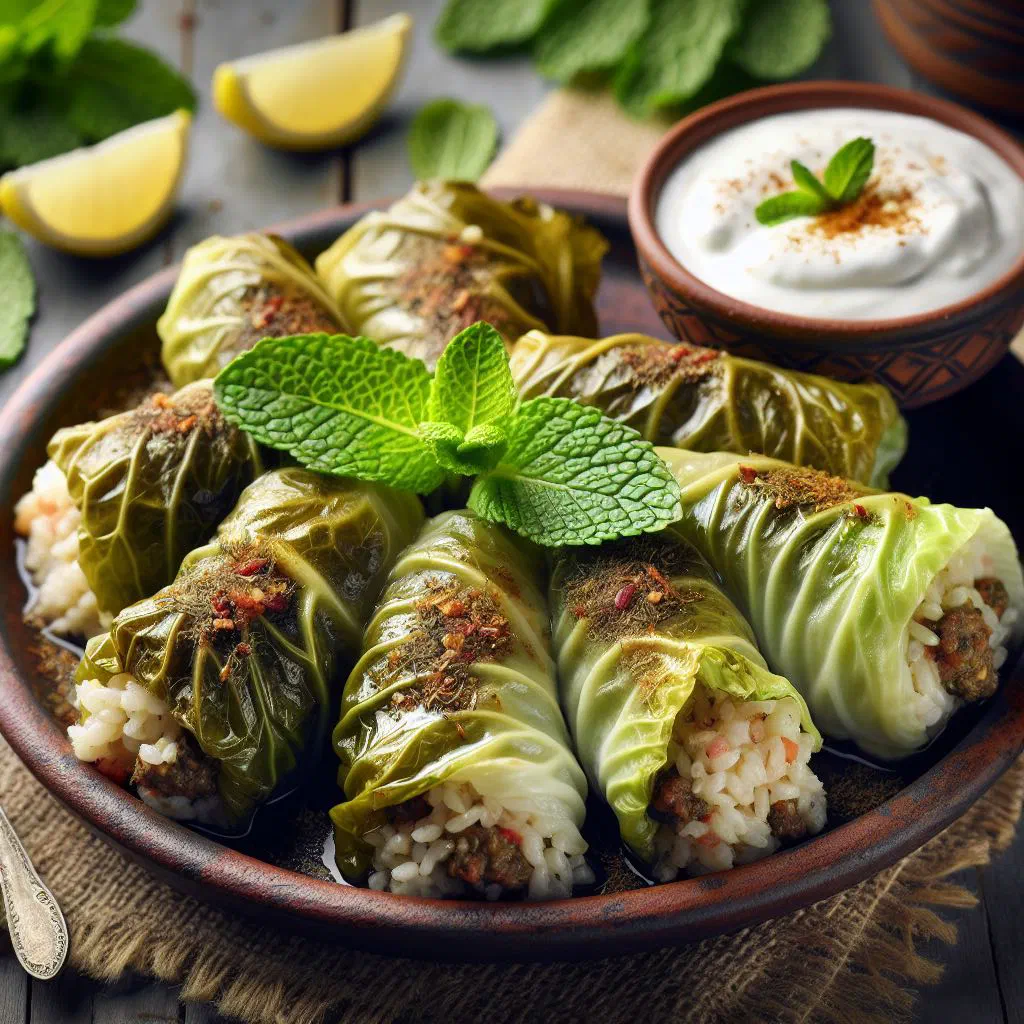
Say hello to Malfouf, the comforting Lebanese cabbage rolls that pack soft leaves around a fragrant filling of rice, meat and warm spices. Slowly simmered in broth until tender, they are the kind of dish that fills a kitchen with a wonderful aroma and brings everyone to the table. These little parcels capture the soul of Lebanese home cooking.
About Malfouf
Malfouf is a traditional Lebanese dish loved for its distinctive flavours and the satisfying combination of rice, meat and a generous mix of spices. The cabbage rolls are delicious and carry a story rooted deep in Lebanese culture. They are often served as a main course or as part of a mezze platter that brings together many different Lebanese delicacies. A dish like malfouf appeals to all the senses and draws guests together to enjoy the rich variety of Lebanese cooking.
Ingredients (serves 1–2)
- 1 small head of cabbage
- 200 g minced meat (beef or lamb)
- 100 g rice
- 1 large onion, finely chopped
- 2 tablespoons olive oil
- 1 teaspoon salt
- 1/2 teaspoon pepper
- 1 teaspoon paprika
- 1 teaspoon lemon juice
- 4 cups vegetable stock
Shopping for the ingredients
For malfouf it is well worth choosing fresh cabbage and good-quality minced meat. Local growers and markets often have the freshest produce on offer. Pay attention to the quality of your spices too, as they give the dish its characteristic Lebanese flavour. The olive oil should be extra virgin to bring out the best aroma and taste.
Preparing the dish
Preparing this dish takes a little time, but it is genuinely straightforward. First, the cabbage should be blanched so that the leaves soften and become easier to roll. In a pan, the onions are fried in olive oil until golden brown. You can then add the minced meat and the spices, frying everything together to deepen the flavours.
Step-by-step instructions
- Separate the outer leaves of the cabbage and blanch the rest of the head.
- Fry the onions in olive oil, then add the minced meat and brown it thoroughly.
- Stir the pre-cooked rice and the spices into the meat and onion mixture and combine well.
- Place a portion of the filling on each cabbage leaf and roll them up into neat parcels.
- Layer the rolls in a pot, cover with vegetable stock, bring to the boil and simmer for about 30 minutes.
Gluten-free / lactose-free version
For anyone who needs to avoid gluten and lactose, the recipe is easy to adapt. Use gluten-free rice or a mix of quinoa and rice instead of ordinary rice, and make sure you choose a gluten-free vegetable stock. The dish can also be made entirely without animal products by using a plant-based alternative in place of the minced meat, making it suitable for a wider range of diets.
Tips for vegans and vegetarians
If you or your guests are vegan or vegetarian, the recipe adapts beautifully. Replace the minced meat with a mixture of roasted chickpeas, mushrooms or a plant-based mince alternative. Add extra spices such as cumin or a scattering of sunflower seeds for even more flavour. These variations offer a healthier option and stay true to the spirit of this traditional dish.
More tips and tricks
To make the dish even tastier, try lightly frying the cabbage rolls before serving. This gives them a golden-brown crust and an extra layer of flavour. Adding fresh herbs such as parsley or mint can lift the dish too. Experiment with different fillings as well, to discover new flavour combinations of your own.
Adapting the recipe to your taste
Malfouf is an extremely versatile dish that is easy to tailor to personal preference. Add different vegetables such as carrots or peppers to the filling for extra texture and flavour. The spices can vary to taste as well, some prefer it a little hotter with chilli or harissa. That way you can create a malfouf that is entirely your own. It sits comfortably alongside a tangy Tabbouleh bi Burghul on the table.
Ingredient substitutions
If you do not have certain ingredients to hand, there are plenty of alternatives. The cabbage can be swapped for white cabbage or radicchio, and instead of beef you might use chicken or a vegan option. Experiment with different types of rice, such as basmati rice or wholegrain rice, to vary both flavour and nutrition. The same stuffing-and-rolling technique appears in dishes like Stuffed Artichokes. All of these adjustments make the dish more flexible and adaptable.
Drink pairing ideas
A well-chosen drink rounds off a delicious malfouf perfectly. A cold Middle Eastern beer or a glass of Lebanese red wine harmonises wonderfully with the flavours of the dish. For a non-alcoholic option, refreshing choices such as mint tea or pomegranate juice are perfectly suited. Ultimately, the choice of drink comes down to the personal preferences of your guests.
Serving and presentation ideas
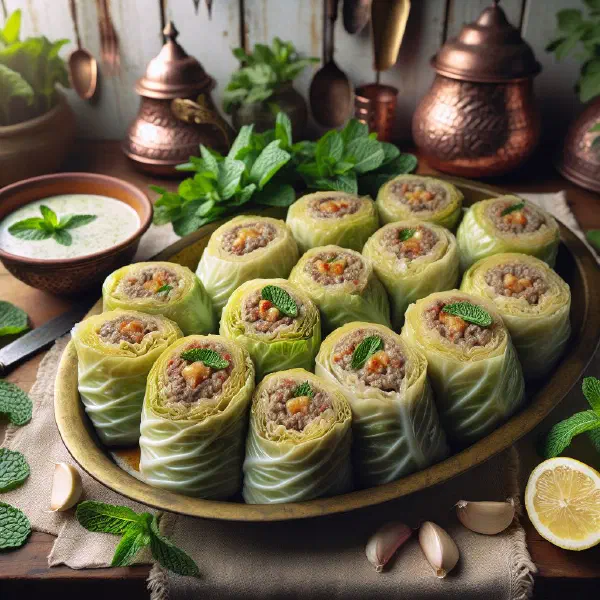
Presentation can lift the whole malfouf experience. Serve the rolls on a large platter and garnish them with fresh herbs such as parsley or mint. You might also arrange a little yoghurt or a tahini-based sauce alongside. A handsome presentation whets the appetite and helps the dish fit perfectly into the atmosphere of a festive meal, much like a creamy Baba Ghanouj bi Lahme served as a starter.
A bit of history
Malfouf has its roots in the culinary craft of Lebanon, shaped strongly by the country’s regional geography and history. The combination of fresh vegetables, spices and meat is typical of many dishes across the country and reflects the rich traditions of Lebanese cuisine. The art of stuffing leaves, whether cabbage or vine leaves, is an ancient practice found throughout many Mediterranean and Middle Eastern cultures. Malfouf is a part of Lebanon’s cultural identity.
More recipe ideas
Summary: Malfouf
In the end, malfouf is a priceless part of Lebanese cuisine, winning hearts with its rich aroma, its inviting ingredients and its cultural depth. It is a dish that is nourishing and tells a story and embodies long-held traditions. With the tips, tricks and variations above, you can enjoy your own malfouf and pleasure both yourself and your guests. Give it a try and discover the joy and pleasure of Lebanese cooking.