National Dish Lebanon: Masabaha (Recipe)
In this article
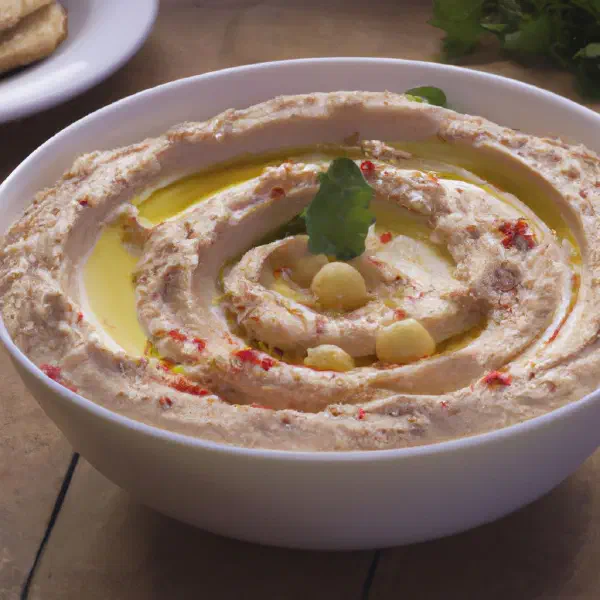
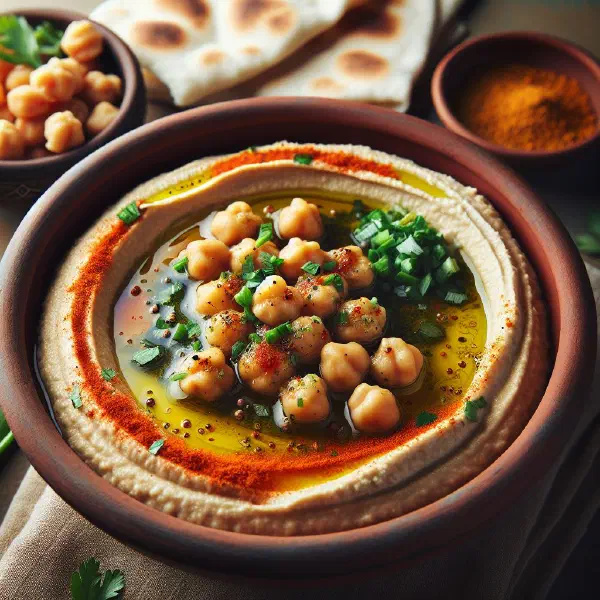
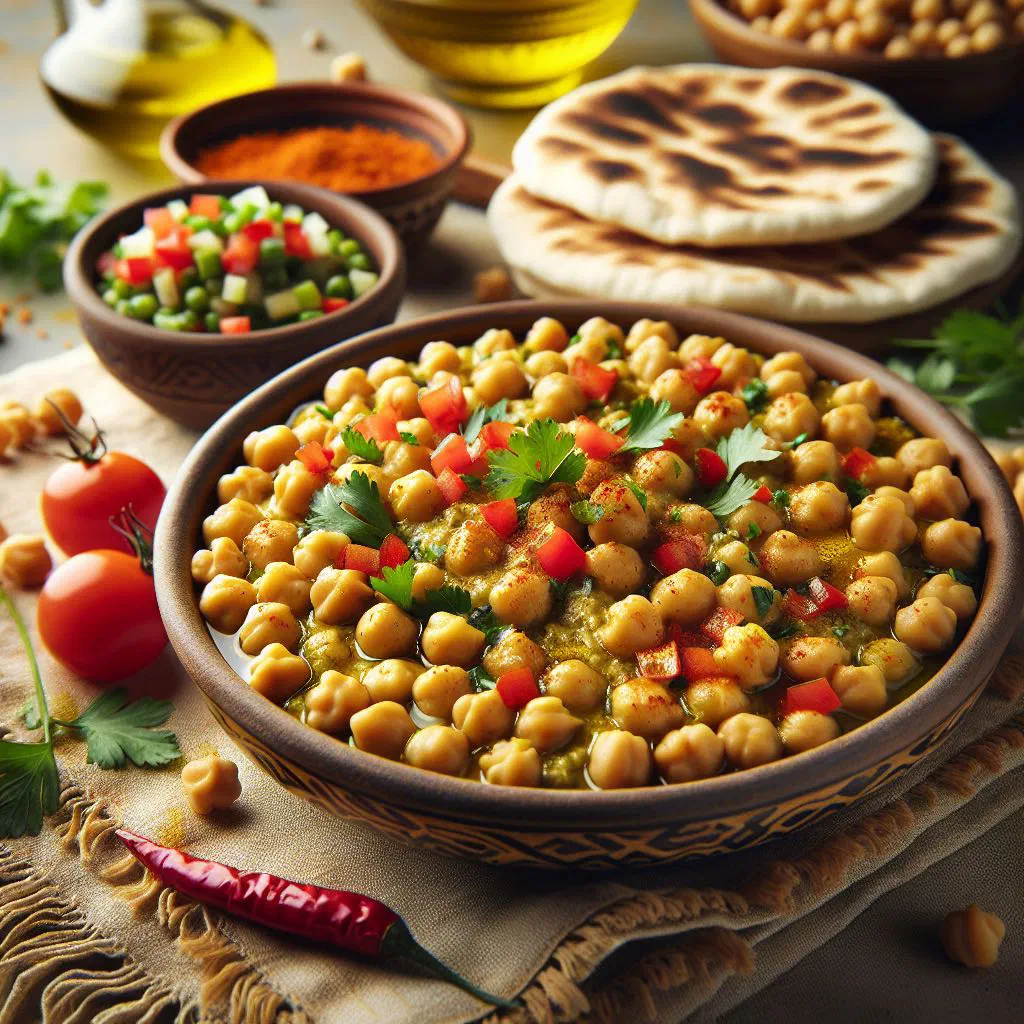
Meet Masabaha, a soulful Lebanese take on the much-loved hummus that lets the humble chickpea shine. Where classic hummus is whipped silky-smooth, this version keeps things rustic and generous, with warm chickpeas folded through a luscious base of tahini, garlic, lemon and a glug of good olive oil. Finished with a scattering of fresh parsley and scooped up with warm flatbread, it brings the sunny flavours of the Levant straight to your table.
About Masabaha
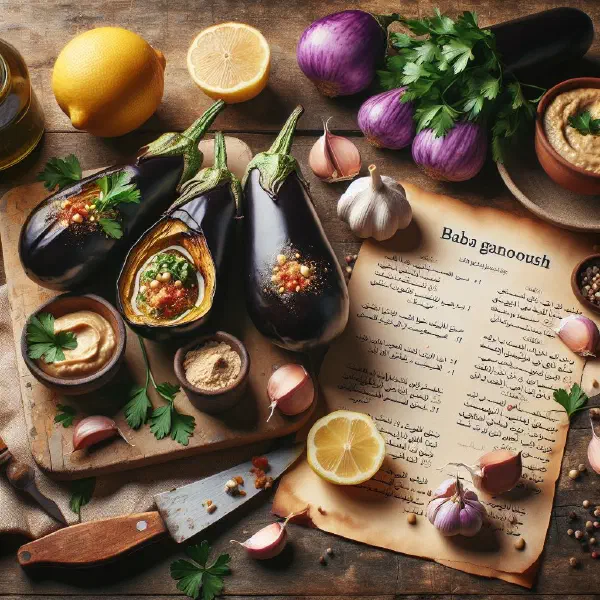
Masabaha is a traditional Lebanese dish and a delicious variation on the famous hummus. This creamy chickpea creation is enriched with olive oil, tahini and a harmonious blend of aromatic spices. Its distinctive texture and unmistakable flavour make masabaha an essential part of the Lebanese kitchen. A main course or a side, it carries the authentic taste of Lebanon and feels right at home alongside a spread like Baba Ghanouj bi Lahme.
Ingredients (serves 1–2)
- 200 g chickpeas (tinned is perfectly fine)
- 3–4 tablespoons tahini
- 2–3 tablespoons olive oil
- 1–2 cloves garlic
- Juice of 1 lemon
- 1 teaspoon ground cumin
- Salt and pepper, to taste
- Fresh parsley, to garnish
- Warm flatbread, to serve
Shopping for the ingredients
The ingredients for masabaha are easy to find in most supermarkets or Middle Eastern grocers. Choose fresh chickpeas or good-quality tinned ones, as they form the very base of the dish. Tahini can be found in delis or ordered online, and when it comes to olive oil it is worth reaching for a high-quality bottle to bring out the best flavour. Picking up your store cupboard staples is also a good moment to gather what you need for other Lebanese cuisine favourites.
Preparing the dish
Before you begin, make sure the chickpeas are well rinsed and, if tinned, thoroughly drained. If you are using dried chickpeas, soak them in water overnight and then simmer until soft. The garlic should be peeled and roughly chopped so it releases its full flavour. Prepare the lemon too; the freshly squeezed juice lends the dish a lovely brightness.
Step-by-step instructions
- Tip the chickpeas into a food processor and blend.
- Add the tahini, garlic, lemon juice, cumin, salt and pepper.
- Keep blending while drizzling in the olive oil little by little, until you reach the consistency you like.
- Spoon the masabaha into a bowl and garnish with fresh parsley to taste.
- Serve warm, ideally with flatbread.
Gluten-free / lactose-free version
Masabaha is naturally gluten-free and lactose-free, as long as you choose gluten-free flatbread or another suitable accompaniment. Many people who are lactose intolerant find this dish a tasty option, since it contains no dairy at all. To keep it fully gluten-free, make sure every ingredient you use, including the olive oil, is free from gluten. That way everyone can tuck in without missing out on the flavour.
Tips for vegans and vegetarians
Masabaha is a perfect choice for vegans and vegetarians, as it is made entirely from plant-based ingredients. Feel free to adapt the dish by adding more fresh herbs, or even a handful of nuts to vary the texture. Experiment with other spices such as paprika or chilli to deepen the flavour. It also works beautifully as part of a colourful, plant-based spread served buffet-style.
More tips and tricks
To get the most out of your masabaha, try lightly toasting the chickpeas before blending for a more intense flavour. Take care to choose a good-quality tahini, as it has a real impact on the final taste. A swirl of olive oil over the finished dish makes for an appealing presentation and an extra layer of flavour. And don’t forget to garnish with fresh herbs when serving. They add both colour and freshness.
Adapting the recipe to your taste
Everyone can tailor their masabaha to their own preferences. If you like things hotter, add a little chilli or chilli paste. Use different beans or pulses to create new flavours, or adjust the consistency simply by adding more oil or water. Let your creativity run free and make masabaha your own, much as you might with a comforting bowl of Yakhnet Fasoulia.
Ingredient substitutions
If you have no chickpeas to hand, you can swap them for white beans or lentils, both of which make an excellent base for masabaha. When tahini is unavailable, a good sesame paste works just as well. Bear in mind that the flavour may shift slightly with these alternatives, but it will still be delicious. Olive oil can be replaced with avocado oil if you fancy a different note.
Drink pairing ideas
A lovely drink to serve with masabaha is a refreshing mint tea or a classic Arabic coffee. Both complement the flavours of the dish and make for a winning combination. For an alcoholic pairing, a light white wine or a rosé also sits harmoniously alongside it. Experiment a little and find your perfect partner for masabaha.
Serving and presentation ideas
A thoughtful presentation can lift the enjoyment of masabaha enormously. Serve the dish in a shallow, wide bowl and bathe the surface with high-quality olive oil. Add fresh herbs and a squeeze of lemon juice for an extra splash of colour. Use warm, lightly griddled flatbread as an edible accompaniment, so the interplay of flavours and textures appeals to your guests, a generous spread that pairs well with Tabbouleh bi Burghul.
A bit of history
Masabaha has its roots in Lebanese and Levantine cuisine and is a true heirloom of this beautiful region. It is thought to have started life as food for labourers working the fields, who needed a nourishing, portable meal. Over the years it has grown into a cornerstone of Lebanese gastronomy, found today in many restaurants and homes alike. The dish reflects the rich culture and the wonderful variety of ingredients and flavours of Lebanon.
More recipe ideas
Summary: Masabaha
In short, masabaha is a wonderfully simple yet deeply flavourful dish that brings a host of aromas together. It offers a delicious way to experience Lebanese cooking. Its versatility and adaptability make masabaha a firm favourite among food lovers and anyone hungry for new taste experiences. Give it a try and dive into the world of Levantine cuisine.