National Dish Lebanon: Moussaka (Recipe)

In this article
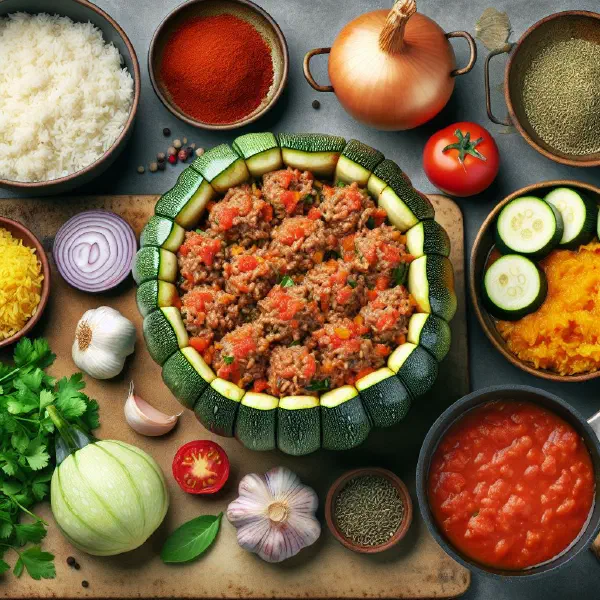
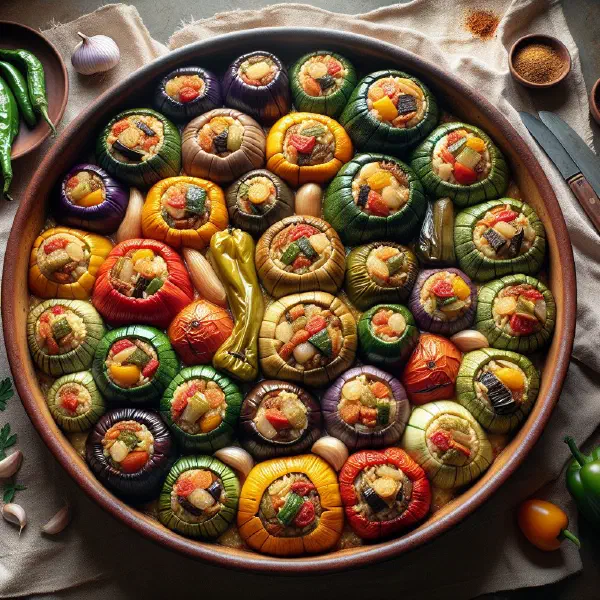
Say hello to Moussaka, one of Lebanon’s most comforting baked dishes. This aromatic layered bake brings together silky slices of aubergine, savoury minced meat and a rich tomato sauce, all warmed through with fragrant spices. Moussaka carries the sun-soaked flavours of the Mediterranean straight to your table.
About Moussaka
Lebanese Moussaka is far more than a simple supper; it is a genuine culinary experience. The dish is built from several layers of juicy aubergine, tender minced meat and an aromatic tomato sauce. It is often rounded off with a careful blend of spices that gives it a distinctive, gently warming character. Served at festive occasions or enjoyed on a relaxed evening, moussaka captures the generous, sun-drenched flavours of the Mediterranean in every forkful.
Ingredients (serves 1–2)
- 2 large aubergines
- 300 g minced meat (beef or lamb)
- 2 onions, diced
- 2 cloves garlic, chopped
- 400 g chopped tomatoes (tinned or fresh)
- 1 tsp cinnamon
- 1 tsp paprika
- Olive oil, as needed
- Salt and pepper, to taste
- Fresh parsley, to garnish
Shopping for the ingredients
When shopping for Moussaka, it really pays to pick fresh, good-quality ingredients. Choose aubergines that feel firm and look glossy, as these will give you the best flavour and texture. The minced meat should be fresh and from a trusted butcher wherever possible. Spices such as cinnamon and paprika are essential here, rounding out the dish and lending it those typical, fragrant notes that make this corner of Lebanese cuisine so memorable.
Preparing the dish
Begin by slicing the aubergines and salting them lightly to draw out excess moisture. This improves the texture and reduces any potential bitterness. While the aubergines rest, you can get on with the filling: gently sweat the diced onions and garlic before adding the minced meat. The same patient salting trick works beautifully for the aubergine in a Baba Ghanouj bi Lahme.
Step-by-step instructions
- Salt the aubergine slices in a sieve for around 30 minutes, then rinse them well.
- Heat olive oil in a pan and sauté the onions and garlic.
- Add the minced meat and brown it until cooked through, then season with cinnamon, paprika, salt and pepper.
- Stir in the chopped tomatoes and let everything simmer for about 15 minutes.
- In a separate pan, fry the aubergine slices until soft.
- Line an ovenproof dish with a layer of aubergine, followed by a layer of the meat mixture, and repeat until all the ingredients are used up.
- Finish with a top layer of aubergine and drizzle it with a little olive oil.
- Bake in a preheated oven at 180°C for about 45 minutes.
- Once baked, let it rest briefly, then garnish with fresh parsley.
Gluten-free / lactose-free version
Moussaka is wonderfully easy to make gluten-free and lactose-free with a few mindful choices. The minced meat is usually gluten-free, as long as you avoid ready-made seasoning blends that may contain hidden additives. For a lactose-free version, simply use unsweetened plant-based milk or lactose-free products in the filling.
Tips for vegans and vegetarians
There are plenty of ways to adapt Moussaka for vegetarians and vegans. Instead of minced meat, try a mixture of lentils or chickpeas, which are both nourishing and add a satisfying texture. You could also crown the aubergine and vegetables with a special vegan “béchamel” sauce to round off the recipe and give the bake a lovely creamy finish. For more plant-forward inspiration, the wholesome Loubiyeh bil Zeit is well worth a look.
More tips and tricks
A successful Moussaka relies on fresh ingredients and a little good technique. Experiment with spices such as cumin or oregano to suit your own palate. Let the dish rest for a few minutes after baking so the flavours settle and the layers hold together more neatly. For the very best results, you can even assemble the moussaka a day ahead and let it sit overnight in the fridge before baking.
Adapting the recipe to your taste
Moussaka is an extremely adaptable dish that takes happily to personal tweaks. You might fold extra vegetables such as courgette or peppers into the filling for more colour and flavour. The amount and type of cheese can also be varied to suit your preference. In this way, every batch becomes a unique creation that reflects your own taste.
Ingredient substitutions
If certain ingredients are not to your liking or simply unavailable, there are plenty of alternatives for Moussaka. In place of aubergine, you can use courgette or sweet potato for a different flavour profile. The minced meat can be swapped for plant-based alternatives such as tofu or seitan. This keeps the recipe versatile and lets you adapt it easily to whatever seasonal ingredients you have to hand, much as you would when building a hearty Yakhnet Fasoulia.
Drink pairing ideas
The right drink can round off the Moussaka experience perfectly. A lightly chilled white wine such as a Retsina complements the flavours of the dish beautifully. A refreshing pomegranate or mint tea also works splendidly, bringing a fragrant, eastern Mediterranean note to the table. For an alcohol-free option, a lemon and mint lemonade makes a delicious choice.
Serving and presentation ideas
Moussaka is a highlight both on the plate and to the eye. Serve it in a rustic ovenproof dish, or portion it neatly onto attractive plates. A garnish of fresh parsley or mint adds a welcome splash of colour and makes the dish especially inviting. You might also offer a little yoghurt or a creamy sauce alongside, giving your guests an extra dimension of flavour to enjoy.
A bit of history
The story of Moussaka reaches far back into Mediterranean cooking, and its precise origins are much debated, as several countries have developed their own version of the dish. In Lebanon, moussaka carries significant cultural roots and forms part of traditional celebrations and family gatherings. Its layers are often seen to symbolise togetherness and the warmth of a shared meal, a tradition of coming together around food that remains central to Lebanese culture today, much like the convivial spread around a plate of Tabbouleh bi Burghul.
More recipe ideas
Summary: Moussaka
In short, Moussaka is a versatile and deeply flavoursome dish that adapts easily to personal preference. With its combination of aubergine, minced meat and a generous mix of spices, it invites you to dive into the aromas of the eastern Mediterranean. Moussaka brings joy and flavour to any table. Give it a try and discover the rich traditions and warm hospitality of Lebanese cuisine.