National Dish Lebanon: Moutabal (Recipe)
In this article
Discover Moutabal, one of Lebanon’s most beloved mezze and a true celebration of the humble aubergine. This silky dip blends smoky roasted aubergine with nutty tahini, sharp garlic and a generous squeeze of lemon juice for a flavour that is at once rich and refreshing. Scooped up with warm flatbread or fresh vegetable sticks, it brings a taste of Beirut’s sun-drenched tables straight to your own kitchen.
About Moutabal
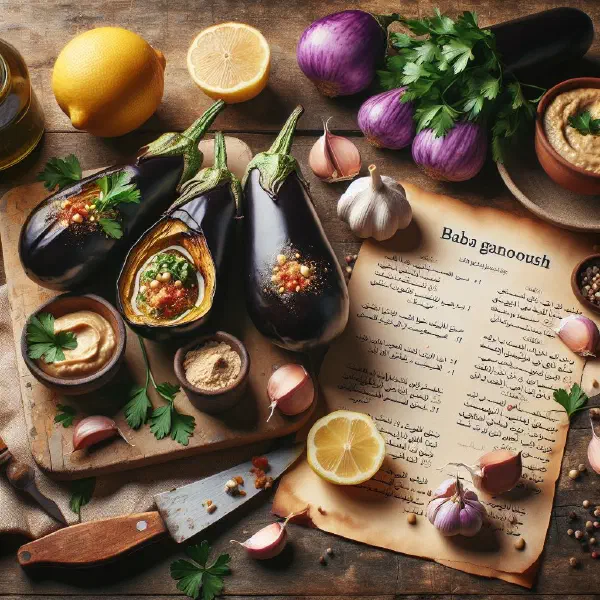
Moutabal, also known as Baba Ghanoush, is a wonderfully savoury dip from Lebanon made from puréed aubergine. It is one of the best-loved mezze of the Middle East, prized for its creamy texture and its smoky, fresh flavour. Its distinctive character comes from the addition of tahini (sesame paste), garlic, lemon juice and a handful of warm spices. Moutabal is a treat for the palate and a healthy companion to flatbread, vegetable sticks or as a side to meat dishes.
Ingredients (serves 1–2)
- 2 medium aubergines
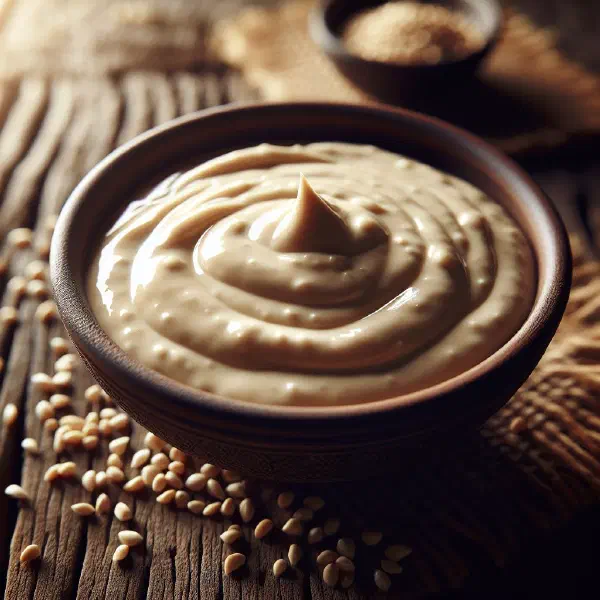
- 2 tablespoons tahini (sesame paste)
- 1–2 cloves garlic, finely chopped
- 2 tablespoons lemon juice
- Olive oil
- Black pepper, to taste
- Sea salt, to taste
- 1 pinch ground cumin
- Pomegranate seeds or fresh herbs, to garnish (optional)
Shopping for the ingredients
For the best moutabal, choose fresh, plump aubergines with no dents or discolouration. You will find tahini in most supermarkets, either in the international foods aisle or among the organic products. When buying olive oil, look for the label “extra virgin” for a high-quality oil whose flavour will shine through in the finished dip. Pomegranate seeds make a lovely garnish, contributing both a sweet-sour contrast and an appealing splash of colour.
Preparing the dish
Before you begin, wash the aubergines thoroughly and prick them several times with a fork so they do not burst as they roast in the oven. Prepare the garlic and lemon ahead of time by finely chopping the garlic and squeezing the lemon juice fresh, so everything is ready to come together once the aubergines are cooked.
Step-by-step instructions
- Preheat your oven to 200°C and place the aubergines on a baking tray.
- Roast the aubergines for 30–40 minutes, until the skin is dark and the flesh is soft.
- Remove the aubergines from the oven and leave them to cool a little, then peel away the skin.
- Purée the aubergine flesh with a stick blender or in a food processor until smooth.
- Stir the tahini, garlic, lemon juice and spices into the aubergine purée and mix to a creamy paste.
- Season the moutabal with salt and pepper, adding more lemon juice or spices as needed.
Gluten-free / lactose-free version
Moutabal is naturally gluten-free and lactose-free, which makes it a brilliant choice for guests with dietary needs. None of the core ingredients contain gluten or dairy, so simply pair it with gluten-free flatbread or crunchy vegetable crudités. This way everyone at the table can enjoy the dip without compromising on flavour or texture.
Tips for vegans and vegetarians
Moutabal is entirely vegan by nature, relying on aubergine, tahini and olive oil rather than any animal products. Take care to check pre-made spice blends for hidden ingredients, and reach for fresh, seasonal aubergines wherever you can. Served alongside other plant-based mezze, it makes a generous and satisfying centrepiece for any vegetarian or vegan spread.
More tips and tricks
If you would like your moutabal to have an extra smoky note, grill the aubergines over an open flame or use a griddle pan with a ridged surface. To finish, drizzle the dip with a swirl of olive oil, which gives it a glossy look and a richer, rounder flavour. A little patience while roasting the aubergines pays off, as that depth of smokiness is what sets a great moutabal apart.
Adapting the recipe to your taste
The beauty of moutabal lies in its versatility. If you like it spicier, enrich the recipe with a pinch of chilli flakes. Some cooks prefer a brighter version with more lemon juice, while others use less garlic to let the delicate flavour of the aubergine take centre stage. Adjust the balance until it suits your own palate exactly.
Ingredient substitutions
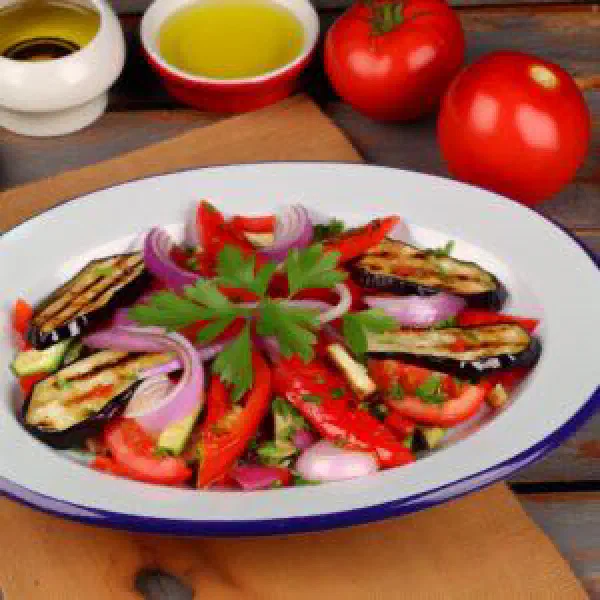
If you do not have tahini to hand, or there is a sesame allergy to consider, you can replace it with an equal amount of Greek yoghurt or even almond or cashew butter. These alternatives change the flavour a little but are delicious in their own right. The same smoky roasted aubergine also forms the heart of a fresh Rahib, so it is well worth experimenting with how you use it.
Drink pairing ideas
A lightly chilled rosé wine pairs beautifully with the fresh, creamy moutabal, underlining its flavours without overpowering them. A classic Lebanese mint tea is another lovely match, offering a refreshing lift that is especially welcome on warm days. Either choice rounds off a mezze table of Lebanese cuisine with ease.
Serving and presentation ideas
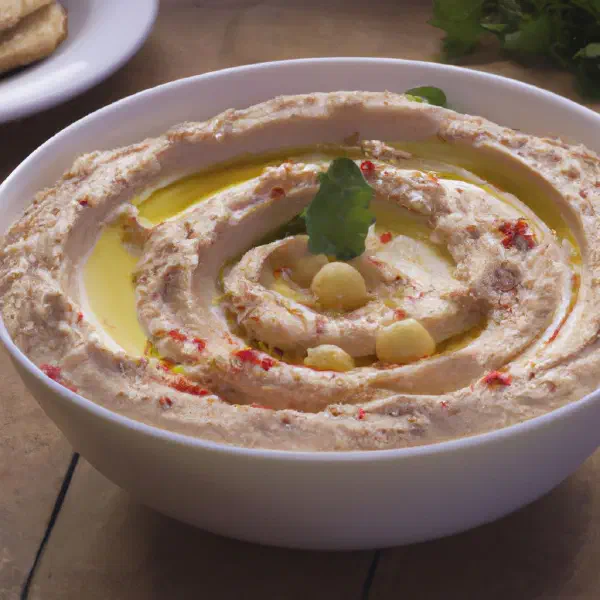
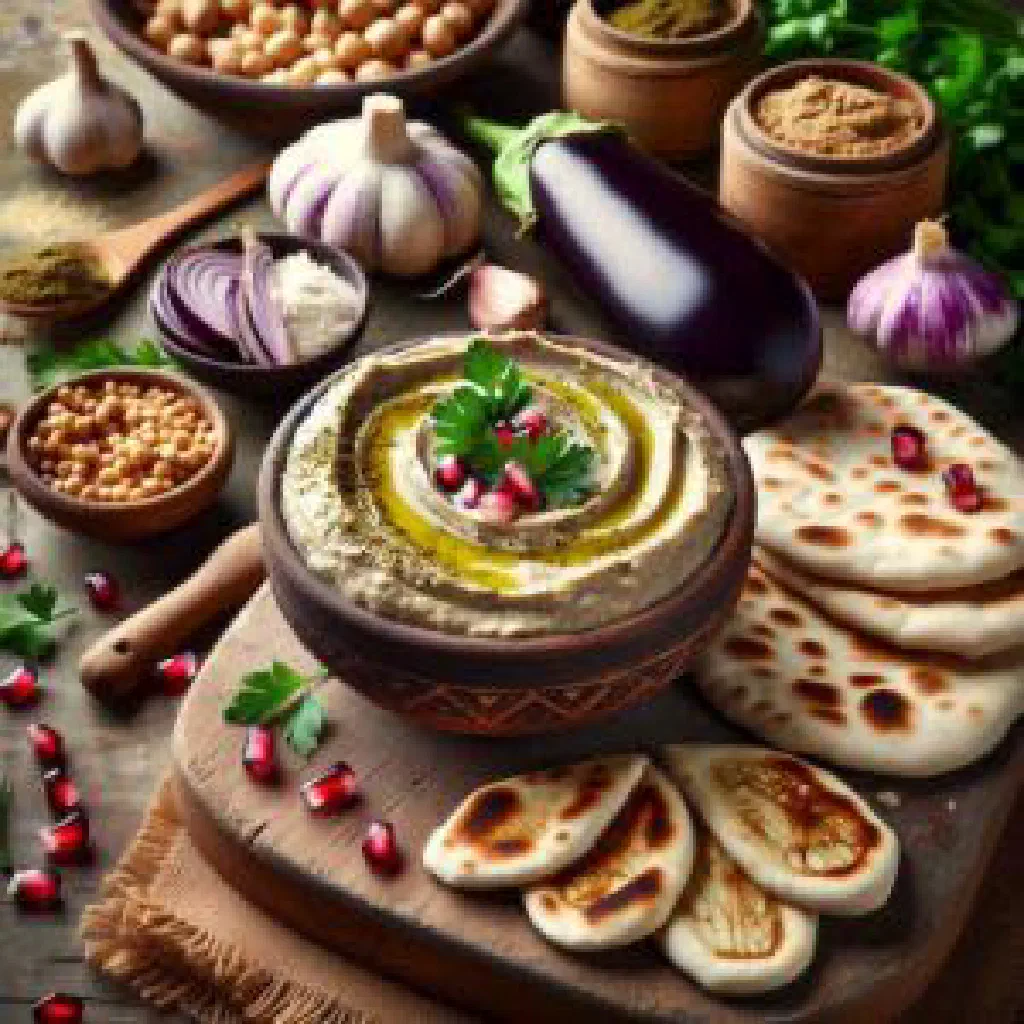
To present moutabal at its best, spoon it into an attractive bowl and use the back of a spoon to make a shallow well in the centre. Fill this with good-quality olive oil and scatter over pomegranate seeds or freshly chopped herbs such as parsley or coriander. The interplay of colours makes the dip instantly appetising and inviting, especially as part of a spread alongside Baba Ghanouj bi Lahme.
A bit of history
Moutabal has its roots in Levantine cooking and is closely tied to the cuisines of the Mediterranean and the Middle East. It embodies the spirit of traditional Lebanese hospitality, where it is served alongside other mezze such as Tabbouleh bi Burghul to celebrate community and conviviality around a shared table.
More recipe ideas
Summary: Moutabal
Moutabal is a simple yet luxurious way to enjoy aubergine. This traditional Lebanese dish wins hearts with its creaminess, its smoky flavour and its wholesome character. Perfect as a starter, a side or a snack for any occasion, it captures the warmth and generosity of the Lebanese table, so give it a try and let this mezze classic earn its place in your kitchen.