National Dish Lebanon: Musabaha (Recipe)
In this article
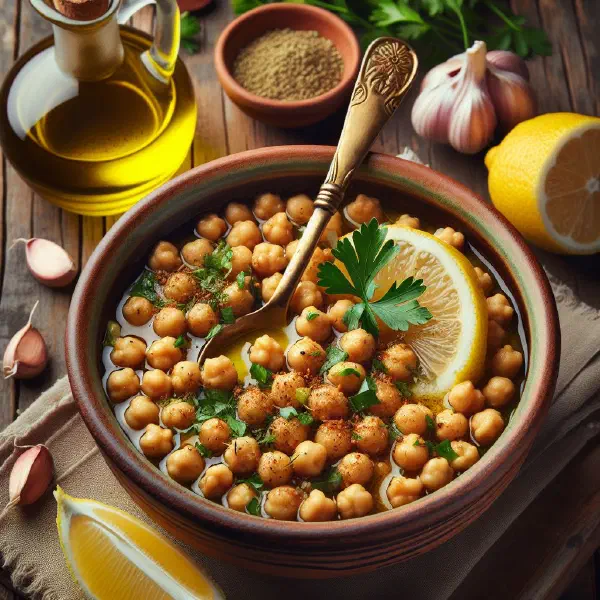
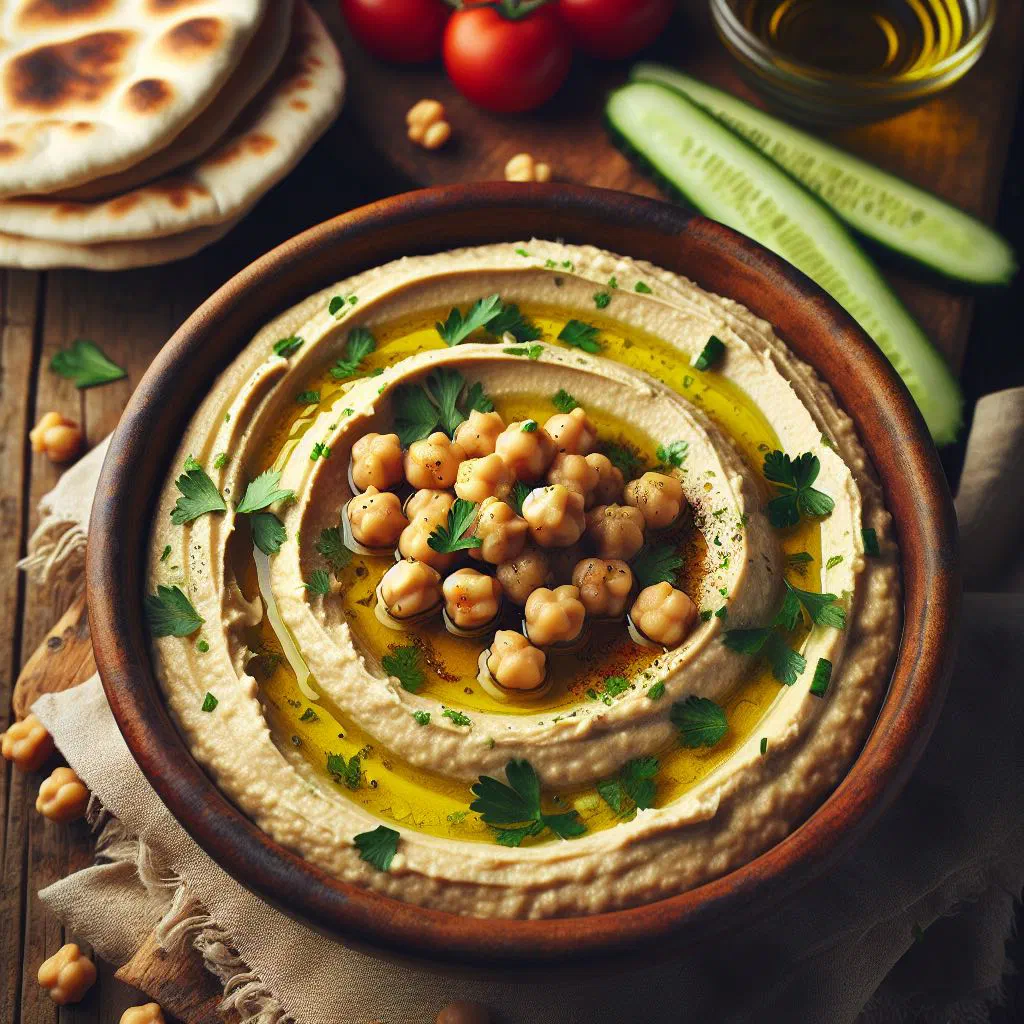
Discover Musabaha, one of Lebanon’s most comforting chickpea creations. This warm, rustic dip pairs whole and lightly mashed chickpeas with nutty tahini, fresh garlic and a bright squeeze of lemon. Often described as a chunkier, more generous cousin of hummus, it makes a wonderful mezze centrepiece or a satisfying light meal. Scoop it up with soft, warm pita and you have a true taste of Levantine hospitality.
About Musabaha
Musabaha is a traditional Lebanese dish celebrated for its creamy texture and rich, rounded flavour. It is built mainly on chickpeas, which are combined with tahini, garlic and a handful of warming spices to form a delicious paste. The dish is a popular snack and a much-loved starter in Lebanese kitchens. Thanks to its wholesome ingredients and good nutritional value, Musabaha is prized by many as a genuinely nourishing meal.
Ingredients (serves 1–2)
- 200 g chickpeas (cooked or tinned)
- 3–4 tablespoons tahini
- 1–2 cloves garlic, finely chopped
- 2–3 tablespoons lemon juice
- 3–4 tablespoons olive oil
- 1 teaspoon ground cumin
- Salt and pepper, to taste
- Fresh bread, to serve
Shopping for the ingredients
When shopping for musabaha, it is worth choosing good-quality ingredients to get the very best result. The chickpeas should ideally be freshly cooked or, if you reach for tinned ones, free from additives. Tahini is another key component and is widely available in Middle Eastern grocers and most larger supermarkets. Don’t forget to pick up fresh bread, preferably pita, so you can enjoy this delicious dip exactly as it is meant to be eaten.
Preparing the dish
Preparing Musabaha is quick and refreshingly straightforward. If you are using tinned chickpeas, start by draining them thoroughly. Next, finely chop the garlic cloves and gather the rest of your ingredients. It helps to have all the spices and the olive oil within easy reach so the whole process runs smoothly from start to finish.
Step-by-step instructions
- Tip the chickpeas into a bowl and mash them coarsely.
- Add the tahini, garlic, lemon juice and the spices.
- Combine everything with a tablespoon of olive oil until you reach a creamy consistency.
- Season with salt and pepper, adding more lemon juice if you like.
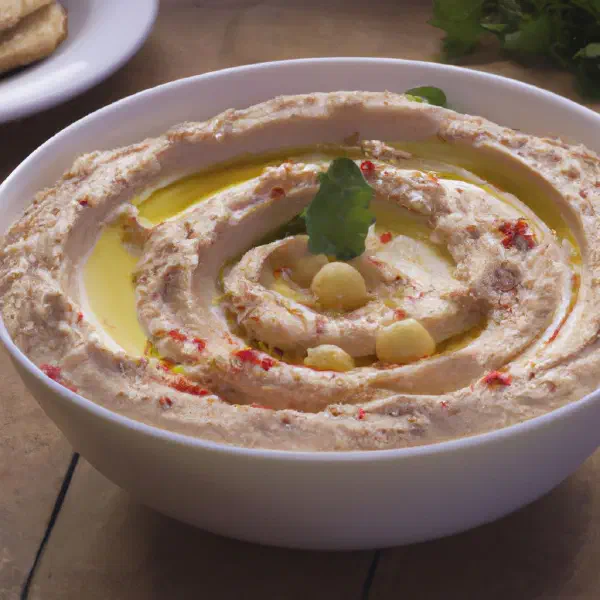
- Spread the mixture onto a plate and drizzle with fresh olive oil.
- Serve with warm pita bread.
Gluten-free / lactose-free version
Musabaha is naturally gluten-free and lactose-free, provided you serve it with gluten-free bread. It is important to check that the bread you use contains no gluten-based ingredients. For a fully lactose-free spread there is nothing to worry about, as tahini is plant-based, though you could swap it for another nut butter if you prefer. All in all, musabaha is an ideal dish for anyone with particular dietary needs.
Tips for vegans and vegetarians
Musabaha is a real winner for vegans and vegetarians, as the dish is 100 % plant-based. It offers an excellent source of protein thanks to the chickpeas and the tahini paste. If you fancy a little variety, try stirring in different seeds or nuts to boost the nutritional value even further. Enjoy it as a healthy meal or a wholesome snack.
More tips and tricks
To deepen the flavour of Musabaha, scatter over some toasted pine nuts or almonds. Fresh coriander or parsley also pairs beautifully with this dish. For a special touch, lift the musabaha with a little chilli or a hot pepper.
Adapting the recipe to your taste
The recipe for Musabaha is easily adjusted to personal taste. If the garlic flavour is too strong for you, simply reduce the amount or leave it out altogether. For an even creamier texture, add a little more tahini. You can also have fun trying out other spice blends such as baharat to give the dish your own signature twist.
Ingredient substitutions
If chickpeas are not your favourite, the recipe works just as well with other pulses such as black beans or white beans, much like the hearty legumes in Yakhnet Fasoulia. In place of tahini you could use peanut butter, if you enjoy the flavour. For a tangy variation, a spoonful of yoghurt or a plant-based alternative also works wonderfully.
Drink pairing ideas
Plenty of drinks pair beautifully with Musabaha, such as a refreshing mint tea or a traditional jallab, a Lebanese drink made from dates and raisins. A glass of ayran, the yoghurt-based drink, is another excellent choice to round out the meal. If you prefer something with a little more bite, try a cool, light beer or a glass of Lebanese wine.
Serving and presentation ideas
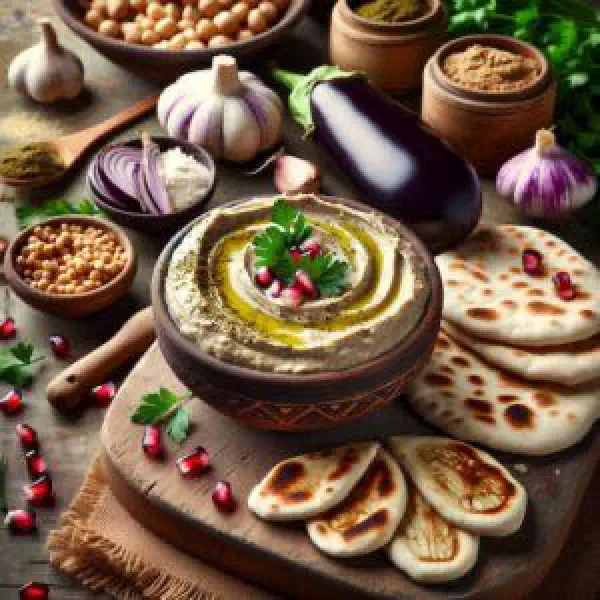
Presentation can lift the whole musabaha experience enormously. Serve the dish in a shallow bowl and garnish it with freshly chopped herbs, toasted nuts and a final drizzle of olive oil. Set fresh pita bread alongside and use attractively decorated serving plates to create an inviting spread. Colourful plates and bowls add a lovely extra visual flourish.
A bit of history
Musabaha has a long history in Lebanese cuisine. The dish has its roots in the wider Mediterranean and has spread over the centuries in countless variations. Chickpeas are a staple across the Middle East and play a central role in many traditional dishes. Musabaha is a nutritious and tasty plate of food and a symbol of Lebanese culture and hospitality, sitting proudly within the broader world of Lebanese cuisine.
More recipe ideas
Summary: Musabaha
In the end, it is fair to say that Musabaha is a genuine highlight of Lebanese cuisine. With its creamy chickpeas and nutty tahini, it delivers both surprising depth of flavour and real nutritional value. It is easy to put together and can be tweaked to suit your own preferences. Enjoy musabaha as a starter or a main and let the aromas of the Levant sweep you away.