National Dish Lebanon: Nammoura (Recipe)
In this article
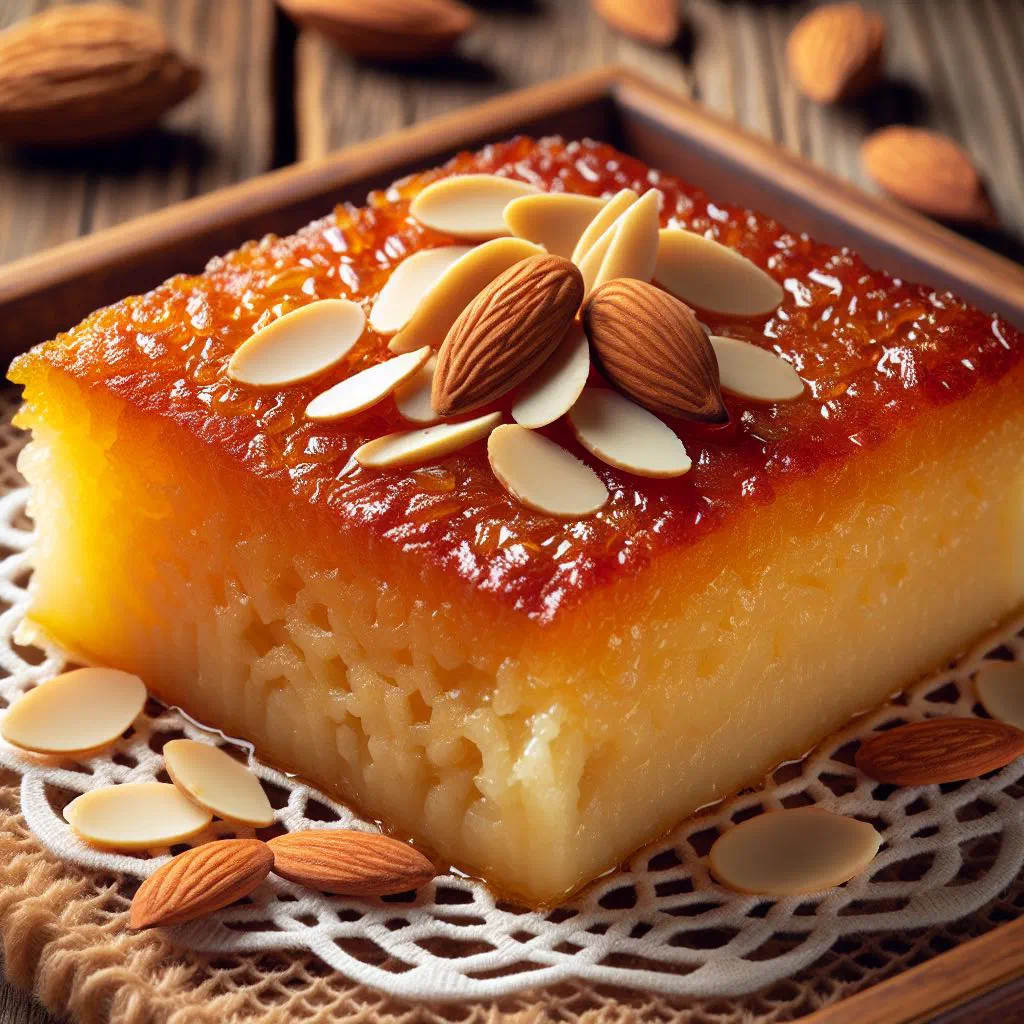
Meet Nammoura, a sweet, syrup-soaked semolina cake that sits at the heart of the Lebanese dessert table. Tender yet pleasingly grainy, it brings together semolina, fragrant sugar syrup and a scattering of almonds for a treat that feels both rustic and refined. Surprisingly simple to make, it is the kind of dessert that earns a place at every celebration, and an everyday craving the rest of the time.
About Nammoura
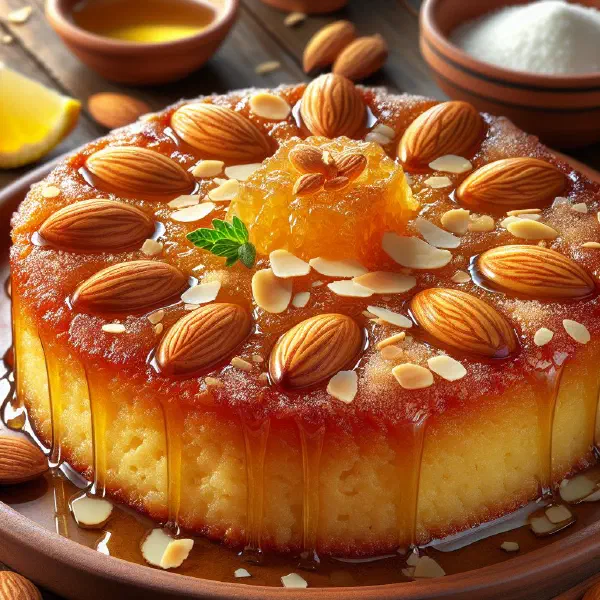
Nammoura is a traditional Lebanese dessert that wins people over with its distinctive blend of semolina, sugar syrup and almonds. It is a moist, tender cake that is remarkably easy to put together yet always makes a real statement on a festive table. The use of good-quality store-cupboard ingredients alongside bright, fresh aromas turns this into an absolute favourite for young and old alike. Whether for a special occasion or simply as a sweet snack, nammoura is always an excellent choice.
Ingredients (serves 1–2)
- 100 g semolina
- 50 g sugar
- 200 ml yoghurt
- 50 g butter, melted
- 1 tsp baking powder
- 100 ml sugar syrup
- Almonds, to decorate
Shopping for the ingredients
Semolina is the backbone of this recipe and should be finely milled to give the cake a tender crumb. The sugar syrup can be homemade or bought ready-made; either way it should be fresh and of good quality. Don’t overlook the almonds, either, choose unsalted, as fresh as you can find, so they deliver the best aroma. Most of what you need is easy to track down in a regular supermarket, while specialist items can also be ordered online.
Preparing the dish
Before you start making nammoura, it helps to gather everything in advance. Weigh out the quantities carefully and make sure all your ingredients are within easy reach. Preheat the oven to 180°C so it is up to temperature by the time the batter is ready. Good groundwork makes the process simpler and helps the dessert bake more evenly.
Step-by-step instructions
- In a large bowl, combine the semolina, sugar, yoghurt, melted butter and baking powder.
- Stir the mixture thoroughly until you have a smooth, even batter.
- Pour the batter into a greased baking tin and spread it out evenly.
- Decorate the top with almonds, either whole or in pieces.
- Bake in the preheated oven for about 30–40 minutes, until the cake is golden brown.
- As soon as it comes out, drizzle the nammoura with sugar syrup and leave to cool.
Gluten-free / lactose-free version
For a gluten-free version of nammoura, swap the regular semolina for a gluten-free alternative. Using plant-based milk in place of yoghurt makes the dish lactose-free as well. Make sure every ingredient you use is clearly labelled gluten-free to avoid cross-contamination. That way everyone can enjoy the lovely flavours of this dessert without missing out.
Tips for vegans and vegetarians
Nammoura adapts easily to a vegan diet. Simply replace the yoghurt with a plant-based alternative. Coconut yoghurt or soya yoghurt both work beautifully and add an interesting note of their own. You can also reach for vegan butter or a suitable margarine in place of dairy butter. With these small swaps, even vegans can savour this traditional dessert and all its fragrant flavours.
More tips and tricks
To make nammoura especially moist and aromatic, perfume the sugar syrup with a little rose water or orange blossom water. This adds an extra layer of flavour and sits perfectly within the wider world of Lebanese cuisine. Another way to lift the dessert is to fold chopped nuts or dried fruit into the batter. Experiment with different aromas until you land on your own favourite version.
Adapting the recipe to your taste
Nammoura is an extremely flexible dessert that is easy to tailor to personal preference. You might cut back on the sugar or use an alternative sweetener for a lighter result. There are no limits when it comes to decoration, either: in place of almonds, try pistachios or walnuts. Tweaks like these can change both the flavour and the look of this classic, the way a generous spice swap transforms a slice of Basbousa.
Ingredient substitutions
If you can’t get hold of a particular ingredient for nammoura, there are several alternatives. Instead of semolina you could use cornflour or breadcrumbs, which give the dessert a different texture. If you have no sugar syrup to hand, honey or another sweetener will do the job nicely. Each of these swaps brings its own character, capable of making the dessert uniquely yours, much as the filling does in Maamoul.
Drink pairing ideas
Nammoura pairs wonderfully with a range of drinks. A cup of Lebanese tea with mint suits the sweet dessert perfectly and rounds off the experience. Arabic coffee is another fine match, balancing the cake’s sweetness with its deep, bitter notes. For something more refreshing, a young white wine or an alcohol-free herbal blend brings out the dessert’s aromas beautifully.
Serving and presentation ideas
Thoughtful presentation can elevate nammoura no end. Cut the cake into neat, even diamonds and arrange them on a decorative plate. A dusting of icing sugar or a few edible flowers on top lends a festive touch. Choose attractive serving dishes and harmonious colours to complete the picture and make the dessert as appealing to the eye as it is to the palate.
A bit of history
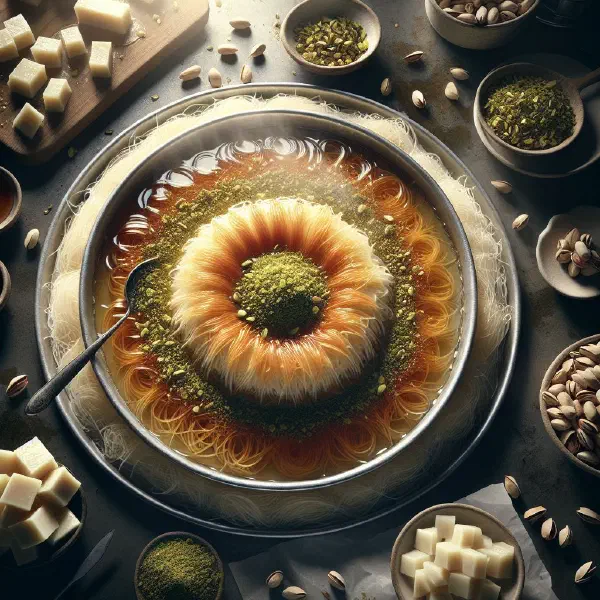
Nammoura is rooted in Lebanese cooking and reflects the rich culture and aromatic traditions of the region. The use of semolina and fragrant ingredients is typical of many Middle Eastern desserts, and nammoura is no exception, much like the syrup-soaked layers of Knafeh. The way it is made and served has been handed down from generation to generation over the years. More than a pleasure for the palate, this dessert forms part of the cultural identity of Lebanon.
More recipe ideas
Summary: Nammoura
To sum up, nammoura is a peerless dessert that captivates with its special combination of flavours and textures. Whether it graces a festive table or simply rewards you at the end of the day, this Lebanese treat brings joy and pleasure to any occasion. Its easy preparation and the scope to adapt it to different tastes make it an ideal recipe for anyone keen to discover the delicious world of Lebanese cooking. Don’t let this dessert pass you by, taste the flavours of Lebanon for yourself.